How China Could Wield Its Control of Rare Earths Against Trump
May 13, 2026 - 09:03
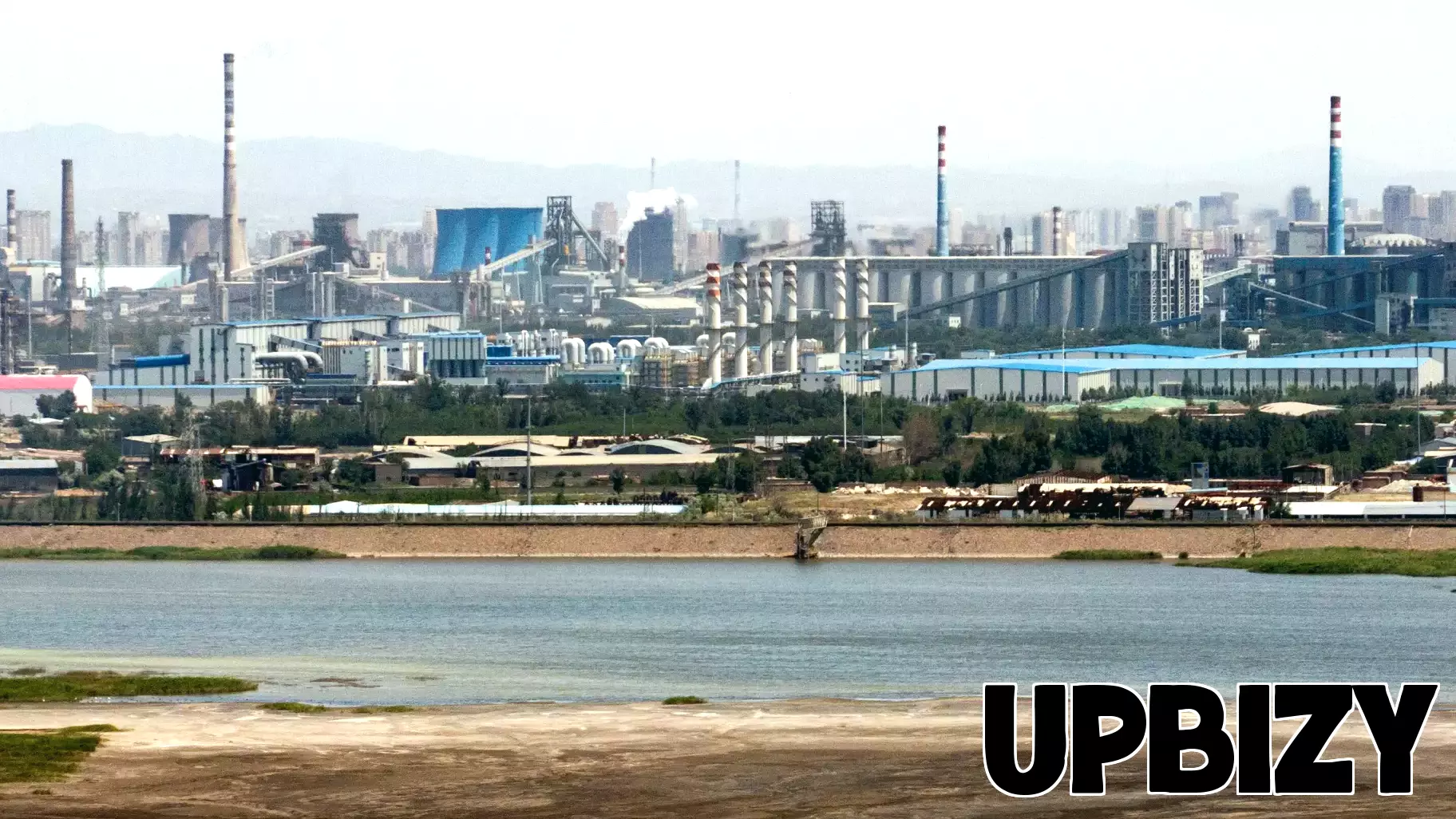
As world leaders gather for a high-stakes summit this week, a key question looms over the negotiations: will Beijing agree to hold off on imposing even stricter export controls on rare earth minerals? The answer could have major consequences for the global tech and defense industries, and for the Trump administration's trade strategy.
Rare earth elements are critical for manufacturing everything from smartphones and electric vehicle batteries to F-35 fighter jets and missile guidance systems. China currently dominates the global supply chain, processing over 60% of the world's rare earths and controlling an even larger share of the refining capacity. This gives Beijing a powerful, if risky, economic weapon.
The United States has long been wary of this dependency. During the first Trump administration, trade tensions escalated, and China threatened to cut off supplies. Now, with renewed trade friction and the possibility of new tariffs, China is once again signaling that it could tighten the spigot. The temporary postponement of tougher export rules, which was seen as a gesture of goodwill, is now up for renewal.
If China refuses to extend that postponement, it could immediately disrupt supply chains for American defense contractors and high-tech manufacturers. The Pentagon has been stockpiling rare earths, but a sudden, severe shortage would still cause delays and cost increases. For Trump, who has promised to bring back manufacturing jobs and strengthen the military, this is a direct challenge.
However, using rare earths as a weapon is a double-edged sword for China. A full-blown export ban would anger other major customers in Europe and Asia, and it could accelerate efforts by the U.S. and its allies to build alternative supply chains. Australia, Canada, and the United States are already investing in new mines and processing facilities, though these projects will take years to come online.
For now, the summit's outcome remains uncertain. China may choose to keep the threat alive without pulling the trigger, using the uncertainty as leverage in broader trade talks. But the message is clear: in the new era of great-power competition, control over critical minerals is a form of power that no one can afford to ignore.
MORE NEWS

September 25, 2026 - 01:41
Bellingham Business Closures Look More Like Churn Than a Lasting TrendFull-service restaurants are taking the hardest hit as Bellingham`s dining scene continues to shift. Several well-known sit-down spots have shut their doors in recent months, and industry observers...

September 24, 2026 - 19:02
Sophomore snags Vol Court business prizeKendra Mueller, a sophomore majoring in marketing, took first place at this semester`s Vol Court competition held on Sept. 16. She finished ahead of 22 other participants in an event designed to be...

September 24, 2026 - 01:36
Arkansas Leaders Begin Early Push for 2030 Census CountCommunity leaders, local officials, and advocacy groups from across Arkansas met Wednesday in Little Rock for the 2026 Arkansas Census Summit, marking the start of a long term statewide campaign to...

September 23, 2026 - 21:53
24 Seven Streamlines New Business Push Across Three AgenciesThe talent and marketing services firm 24 Seven has restructured how it brings in new clients, folding the business development efforts of three of its agencies into a single operation. SketchDeck,...