How to Handle Negative Feedback in Influencer Collaborations
3 March 2026
Influencer marketing can be a game-changer for your brand. More reach, more visibility, more engagement—the dream, right? But let's be honest for a second: not every campaign knocks it out of the park. Sometimes, despite your best efforts, you’ll get some negative feedback. It’s totally normal, even for top-tier brands with A-list influencers.
The real test? It’s not whether you avoid criticism—it’s how you respond to it.
In this article, we’re diving into how to handle negative feedback in influencer collaborations like a pro. Whether it's a disagreement about messaging, a backlash from followers, or just a misunderstanding, there’s always a smart way to approach it.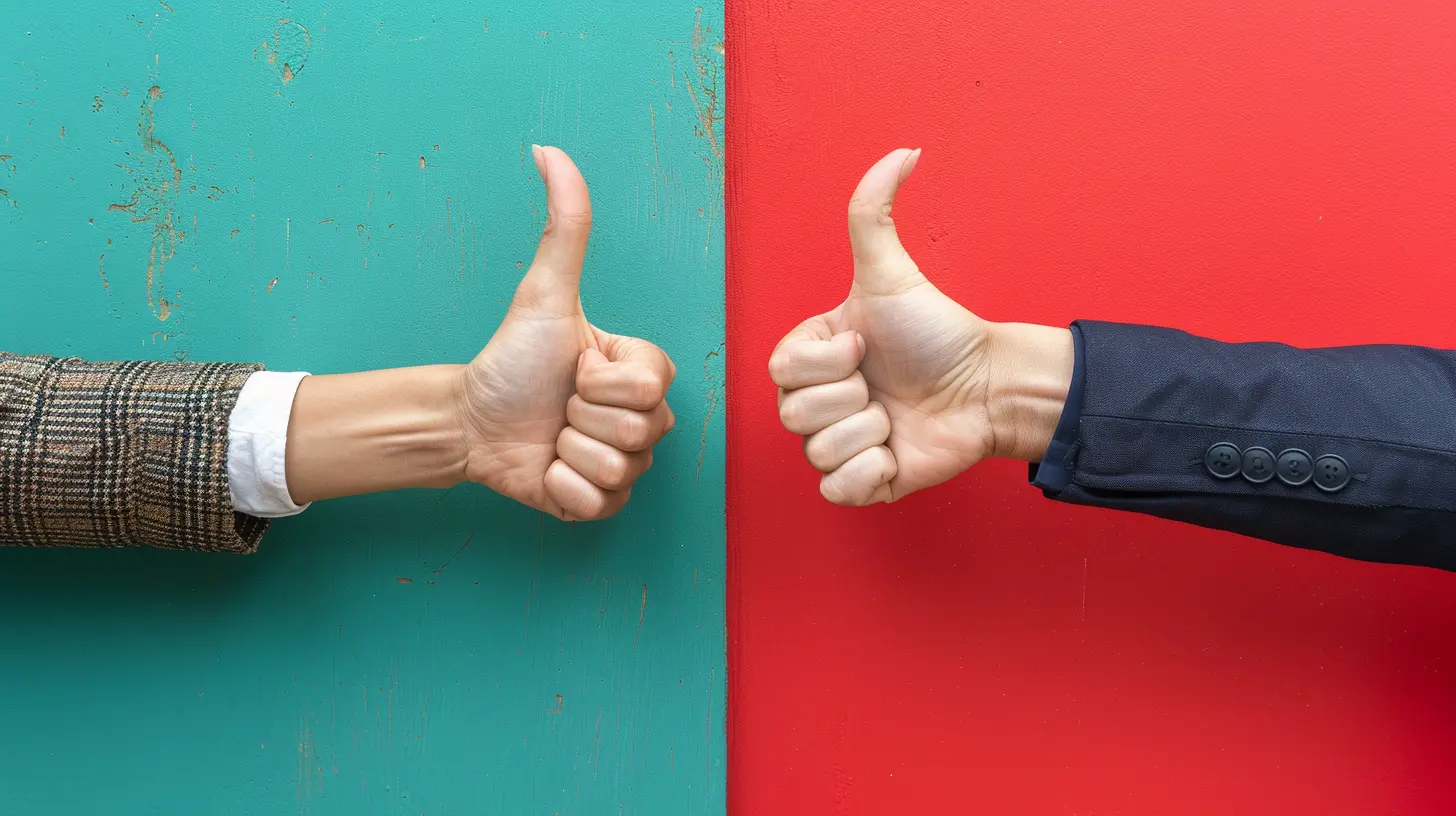
Why Negative Feedback Is Inevitable
Let’s face it—social media is a double-edged sword. One minute, you’re getting praise and love. The next? Trolls, complaints, or public backlash. Here’s why it happens:- Different opinions: Everyone views content through their own lens.
- Mismatched expectations: Maybe what you thought was a good fit, the audience didn’t.
- Mistakes happen: Even a seemingly harmless comment can trigger controversy.
- High visibility: The more people see your content, the higher the chance someone won’t like it.
So, if you're dealing with negative feedback, don’t panic. You're not alone.
Step 1: Stay Calm & Don’t Take It Personally
This might sound obvious, but it’s worth repeating. When you see harsh comments or criticisms, your first instinct might be to get defensive or worse—clap back. Resist the urge!Instead, take a breath. Step back. Remember, it’s not about you personally. It’s about the message, the campaign, or the way it was delivered.
Think of it like getting a bad restaurant review. Does the chef quit? Nope—they tweak the recipe.
Step 2: Listen Before You React
Here’s the thing: people want to be heard. So before firing off a response, listen closely.Take time to:
- Read all the feedback—not just the angry stuff.
- Spot patterns—Are multiple people pointing out the same issue?
- Understand the cause—Was it insensitive wording? Off-brand messaging?
This is detective work. The goal is to figure out why people are upset without jumping to conclusions.
Step 3: Talk to the Influencer
You and the influencer are in this together. Don't ghost them just because things got messy. Instead, open up a conversation:- “Hey, I’ve seen some feedback coming in—let’s talk about it.”
- Ask for their side of the story.
- Share what you’ve noticed from comments and messages.
Influencers are usually pros at handling these situations. They’ve seen their fair share of internet drama and probably have insights that can help.
Pro tip? Don’t throw them under the bus publicly. That’s a sure-fire way to ruin the relationship and stain your brand image.
Step 4: Respond Publicly—If Needed
Sometimes, ignoring the noise is perfectly fine. But if the negative feedback starts spiraling or feels serious (think accusations of insensitivity, misinformation, etc.), go ahead and respond publicly.Keep your response:
- Professional but human—You’re not a robot. Show empathy.
- Short and clear—Don’t ramble. Get to the point.
- Solution-oriented—Explain what you’re doing about it.
Here’s a simple format you can follow:
> “Thanks for your feedback. We hear your concerns and take them seriously. We’re working with [Influencer’s Name] to understand more and ensure our collaborations reflect our values as a brand.”
Boom! You acknowledged the feedback without feeding the fire.
Step 5: Learn From It
Every bit of criticism is a chance to grow. Cheesy? Maybe. True? Absolutely.Ask yourself:
- Did we vet the influencer thoroughly?
- Was the messaging clear enough?
- Should we have pre-approved the content more closely?
- Were we aligned on tone, language, or values?
Then, use those answers to strengthen your influencer strategy moving forward.
Treat each campaign like an experiment. Successes teach you what to repeat. Mistakes teach you what to avoid.
Step 6: Strengthen Your Influencer Vetting Process
A little prep can save a lot of headaches later. Here’s what to do before you even start a campaign next time:- Check past content: Look for any red flags in their posts, comments, or stories.
- Assess audience fit: Does their vibe match your brand voice?
- Review engagement styles: Do they respond respectfully to criticism?
- Discuss boundaries and expectations: Be crystal clear upfront.
Think of it like dating. You don’t propose on the first date—you make sure your values align.
Step 7: Know When to Cut Ties
Let’s be real. Sometimes, the damage is too deep. If an influencer consistently brings drama, ignores your brand values, or worsens the situation, it’s okay to walk away.Do it respectfully. Privately. Professionally.
And when necessary, let your audience know:
> “After careful consideration, we’ve ended our partnership with [Influencer’s Name]. We remain committed to engaging collaborations that reflect our brand values.”
This shows leadership and integrity, which boosts brand trust.
Step 8: Train Your Team
Make sure your social team knows how to spot, interpret, and respond to negative feedback. Create response templates, escalation processes, and guidelines for tone and language.Think of it like your brand’s emergency kit. When the storm hits, your team knows exactly what to do.
Step 9: Protect Your Brand Voice
Negative feedback shouldn’t force you to abandon your brand personality. But it might require you to tweak how you express it.If you're usually funny and upbeat, don’t suddenly go ultra-serious—just tone it down when needed.
Authenticity is key. People can sniff out fake apologies or robotic statements from a mile away.
Step 10: Shift the Conversation
After handling the negative feedback, try to get the momentum back on your side. Spotlight positive comments, share behind-the-scenes content, or post a follow-up with a fresh perspective.This helps shift the narrative from “damage control” to “moving forward.”
It’s like steering a ship. You don’t stop just because you hit a wave—you adjust course and keep sailing.
Final Thoughts
Negative feedback in influencer collaborations is all part of the game. It’s not a failure—it’s feedback in disguise. The brands that succeed aren’t the ones who avoid criticism completely; they’re the ones who learn, adapt, and grow from every hit.So next time the comment section gets spicy, don’t freak out. Talk it out, learn the lesson, and come back better.
You’ve got this.
all images in this post were generated using AI tools
Category:
Influencer MarketingAuthor:

Miley Velez
Discussion
rate this article
2 comments
Jordan Lee
Address negative feedback with professionalism, promptly acknowledge concerns, and use them as opportunities for improvement to strengthen future influencer collaborations.
April 21, 2026 at 4:24 AM
Miley Velez
I appreciate your insights. Addressing feedback with professionalism truly enhances collaboration and fosters growth.
Raleigh Sullivan
Handling negative feedback in influencer collaborations requires a proactive approach: acknowledge the concerns, respond professionally, and adjust strategies accordingly. Use it as an opportunity for growth and to strengthen relationships with both influencers and your audience.
March 11, 2026 at 5:57 AM
Miley Velez
Absolutely, embracing negative feedback is key. It not only shows that you care but also opens doors for improvement and builds trust with everyone involved.