Sustainable Retailing: Practical Tips for Eco-Conscious Businesses
23 March 2026
Let’s face it. The world is changing, and so are the expectations of your customers. People are more mindful of where their dollars go—and they want to support brands that care about the planet. That’s where sustainable retailing steps in like a breath of fresh, eco-friendly air.
Whether you run a cozy boutique or a booming eCommerce store, going green isn't just a buzzword—it's becoming a make-or-break factor in today’s market. It's no longer just about offering great products; it's also about doing business in a way that respects Mother Earth.
Ready to make your store more sustainable without flipping your entire operations upside down? Let’s break it down with practical, real-world tips you can actually use.
Why Sustainable Retailing Matters More Than Ever
You’ve probably heard the term “sustainability” thrown around a lot. It’s in your emails, social media feeds, and maybe even printed on your favorite tote bag. But in retail, sustainability isn't just a trend—it’s a movement.Here’s why it’s critical:
- Customers want it. Over 70% of consumers say they're more likely to buy from brands that are environmentally responsible.
- It saves you money. Energy-efficient lighting, reusable packaging, and smart logistics can lower your costs big time.
- It builds loyalty. When customers see you walking the walk—not just talking the talk—they stick around.
So let’s dive into the nuts and bolts of making your retail business more sustainable, starting today.
1. Start with a Sustainability Audit
Before you know where you’re going, know where you stand. A quick sustainability audit gives you a snapshot of your business's environmental footprint.Ask yourself:
- How much energy do we use monthly?
- Do we recycle or just toss everything?
- What kind of packaging do we use—and where’s it ending up?
- Are we sourcing materials responsibly?
Write all this down. Don’t overthink it. The point here is clarity, not perfection. You can’t improve what you can’t measure.
2. Eco-Friendly Store Design Counts
Think of your store as your stage—and every light switch, shelf, and paint color plays a role.Here’s how to green it up:
- Use reclaimed materials. Wood, metal, and even old furniture can be repurposed into eye-catching displays.
- Switch to LED lighting. It's a small tweak that can slice your energy bill and your carbon footprint.
- Opt for sustainable flooring. Bamboo and cork are stylish and renewable—a win-win.
And hey, if you’re online-only, don’t skip this part! Your digital “storefront” also has an environmental impact (think data centers, packaging, delivery logistics, etc.).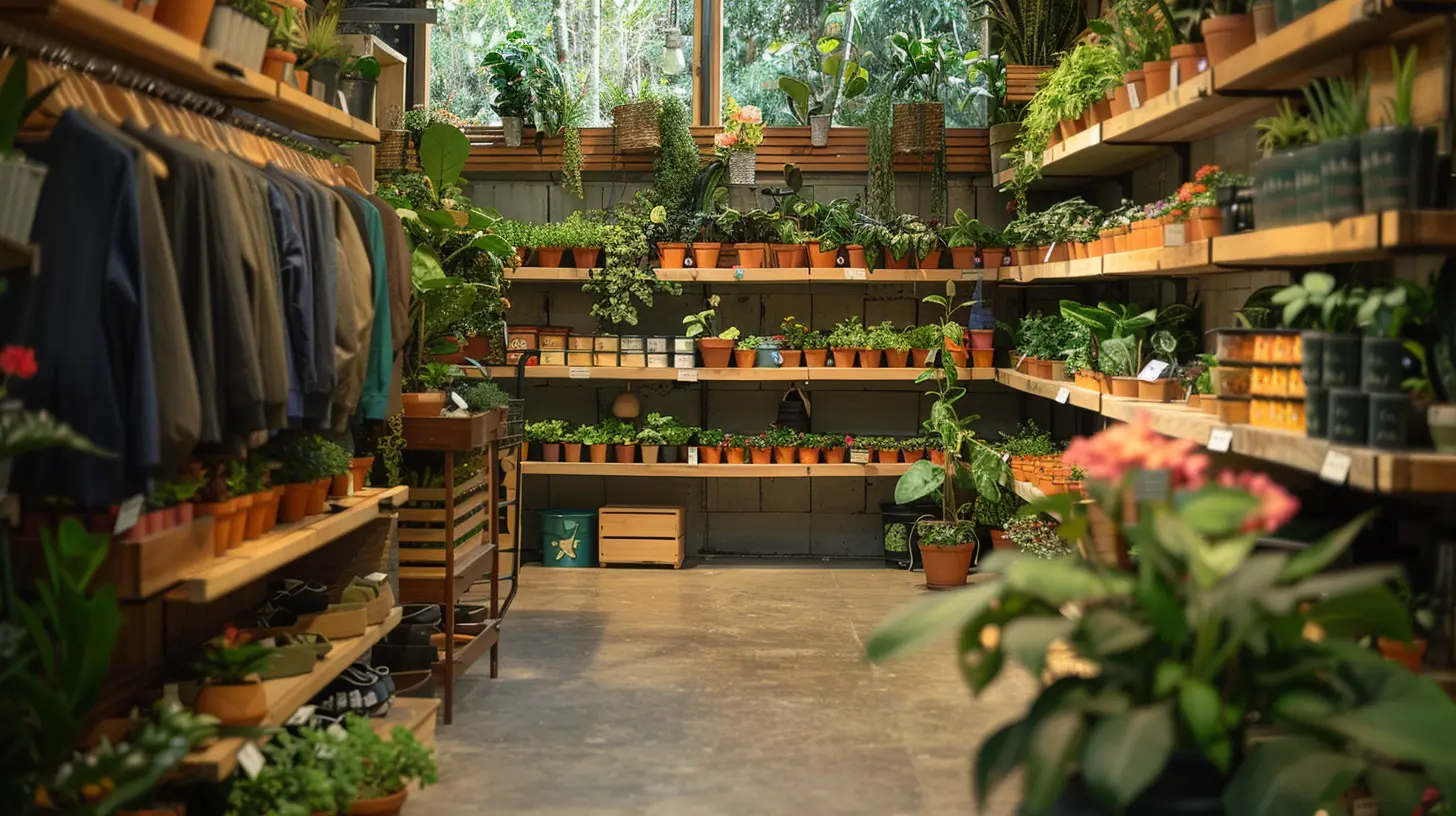
3. Source Products with Purpose
Every product you sell tells a story. Do your items shout sustainability or whisper waste?Here’s what to look for:
- Responsibly-sourced materials. Organic cotton, recycled metals, and FSC-certified wood—not only good for the planet, but great for branding too.
- Ethical production. Are your suppliers paying fair wages and providing safe working conditions?
- Minimal packaging. Less is more. Customers don’t want to unbox five layers of plastic just to get a pair of socks.
Work with vendors who reflect your values. Remember, sustainable retailing isn’t just about your practices—it’s about your entire supply chain.
4. Ditch the Plastic (Seriously, All of It)
Plastic is so last century. In fact, over 300 million tons of plastic are produced every year, and a lot of it ends up in our oceans.Here’s how to kick the plastic habit:
- Use compostable bags or recycled paper.
- Offer reusable options like canvas totes (with your branding—hello, free marketing!).
- Request plastic-free packaging from your suppliers.
Small changes snowball. If every retailer ditched single-use plastic, the planet would be a whole lot happier.
5. Go Digital Where You Can
Paper receipts? Catalogs? Flyers? Let’s get real—most of those wind up in the trash within hours.Here’s how to digitize:
- Offer e-receipts. Email or SMS receipts are not only greener but also great for building your email list.
- Use QR codes for product info. No more printing hundreds of brochures.
- Run your inventory in the cloud. It saves paper and helps you stay efficient.
You’re not just saving trees—you’re streamlining your business.
6. Optimize Logistics and Delivery
If you ship products, you know the struggle: packaging waste, fuel, and high carbon emissions. But you’ve got options.Here’s how to do it better:
- Consolidate shipments. Fewer deliveries = fewer emissions.
- Use carbon-neutral shipping. Many carriers offer this service now—just ask.
- Choose eco-packaging. Recyclable, biodegradable, or even plantable materials (yes, plantable!).
And don't forget about the “last mile”—the part of delivery that often pollutes the most. Partner with local delivery services using bikes or electric vehicles if possible.
7. Educate Your Customers
You’re making the effort. Now shout it from the rooftops.Why? Because when customers know how eco-friendly you are, they’re more likely to support you.
Here’s how to spread the word:
- Put up signs or website banners. Share your green initiatives loud and proud.
- Tell stories on social media. Show behind-the-scenes peeks of your sustainable practices.
- Teach them how to recycle or reuse your packaging.
When you involve your customers, sustainability becomes a shared mission, not just a marketing angle.
8. Reduce Waste Like a Pro
Nothing kills sustainability like waste. Unsold products, packaging scraps, and returned items all pile up fast.Here’s how to cut it down:
- Repurpose returns or damaged goods. Sell them at a discount or donate.
- Use just-in-time inventory. Keep your stock lean; it reduces overproduction and storage needs.
- Consider upcycling programs. Think clothing buy-backs or in-store recycling bins.
Every item you keep out of the landfill is a win.
9. Engage Your Team in the Mission
Want real change? Get your team on board.Your employees are your front line. If they care, your customers will feel it.
Here’s how to empower them:
- Host green challenges. Who can reduce their waste the most this month?
- Reward sustainable ideas. Give shoutouts or small bonuses to employees who suggest eco-friendly improvements.
- Offer sustainability training. Keep them in the know—it boosts morale and performance.
The goal is to make sustainability part of your culture, not just a checklist.
10. Join the Bigger Movement
No eco-conscious retailer is an island. Team up with others to amplify your impact.Consider:
- Joining sustainability certifications or programs. (Think B Corp or 1% for the Planet.)
- Partnering with local green businesses. Cross-promotions help everyone.
- Donating a portion of profits to environmental causes.
Remember, being part of a bigger movement shows your customers you're serious—not just slapping a green label on your products.
11. Track Your Progress and Keep Improving
If you’re going sustainable, it's important to measure your results. Otherwise, how do you know what’s working?Here’s what to keep tabs on:
- Energy use
- Waste production
- Customer feedback
- Sales of sustainable products vs regular ones
Set goals. Celebrate wins. Adjust strategies where needed. Sustainability isn’t about perfection—it’s about continuous improvement.
12. Make It Part of Your Brand DNA
Finally, don’t treat sustainability like a side hustle. Make it part of your brand story.Add it to your:
- Mission statement
- About page
- Store signage
- Packaging inserts
When you fully embed sustainability into your identity, it resonates with your audience and sets you apart from competitors.
Final Thoughts
Let’s keep it real: going sustainable isn’t always easy. It takes time, effort, and yes, sometimes a little extra money. But think of it as an investment—not just in the planet, but in your brand’s longevity.Customers want to support businesses that care. Employees want to work for companies with purpose. And you? You’ll sleep a little better at night, knowing you’re doing your part.
So take that first step. Or the next one.
Because sustainable retailing isn’t just the future—it’s the now.
all images in this post were generated using AI tools
Category:
RetailAuthor:

Miley Velez
Discussion
rate this article
2 comments
Lucas Hill
Great insights on sustainable retailing! These practical tips are essential for eco-conscious businesses looking to make a positive impact while appealing to environmentally aware consumers. Keep up the good work!
May 6, 2026 at 4:11 AM
Miley Velez
Thank you for your kind words! I'm glad you found the tips useful. Let's keep pushing for sustainability in retail.
Yasmine Kirk
Who knew saving the planet could be this stylish? 🌍✨ Dive into sustainable retailing tips and transform your business into an eco-friendly runway! Remember, every reusable bag counts—let’s turn the retail world green, one quirky choice at a time!
March 27, 2026 at 3:42 AM
Miley Velez
Thanks for the support! Every small choice adds up in making retail more sustainable. Let's keep pushing for that greener future!