The Impact of Influencer Marketing on Retail Sales
26 February 2026
Ever bought something just because your favorite content creator raved about it on Instagram? You're not alone. The game of retail is changing – fast – and influencer marketing is the MVP leading the charge. But here's the real kicker: it's not just about getting likes and shares anymore. It’s about cold, hard sales. Let’s dive deep into how influencer marketing is not just shaking up the retail industry but fundamentally rewriting the rules.
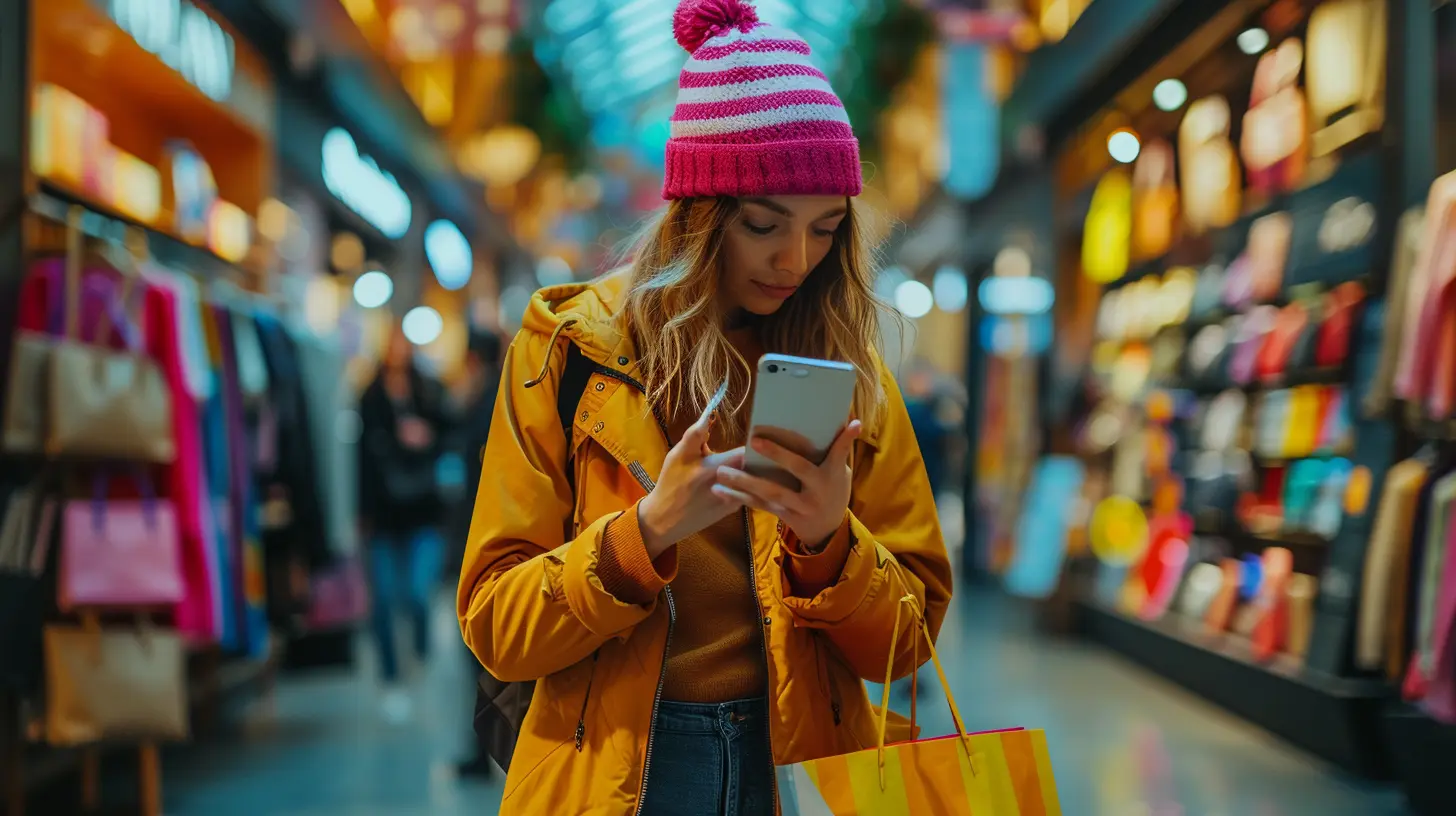
What Is Influencer Marketing Anyway?
Let’s start at the beginning. Influencer marketing is a type of social media marketing where brands collaborate with individuals who have a dedicated following and are viewed as experts or trendsetters in their niche. These influencers promote products or services to their audiences through platforms like Instagram, TikTok, YouTube, and even LinkedIn.But make no mistake—this isn’t your old-school celebrity endorsement. Influencer marketing thrives on authenticity and relatability. It's more than a paid shout-out; it’s a conversation, a lifestyle, and often, the final nudge a buyer needs before hitting “Add to Cart.”
The Meteoric Rise of Influencers in Retail
Retail is in the middle of a revolution, and influencers are driving that change. Before the explosion of social media, retailers had to rely on traditional marketing—billboards, commercials, glossy magazine ads. Now all it takes is a scroll through your feed to find the next big thing.Why? People trust people more than they trust ads. In fact, studies show that over 60% of consumers trust influencer recommendations more than brand messaging. That’s huge.
Retailers have caught on, obviously. They’re no longer questioning whether influencer marketing works—they’re figuring out how to do it better, faster, and bigger.
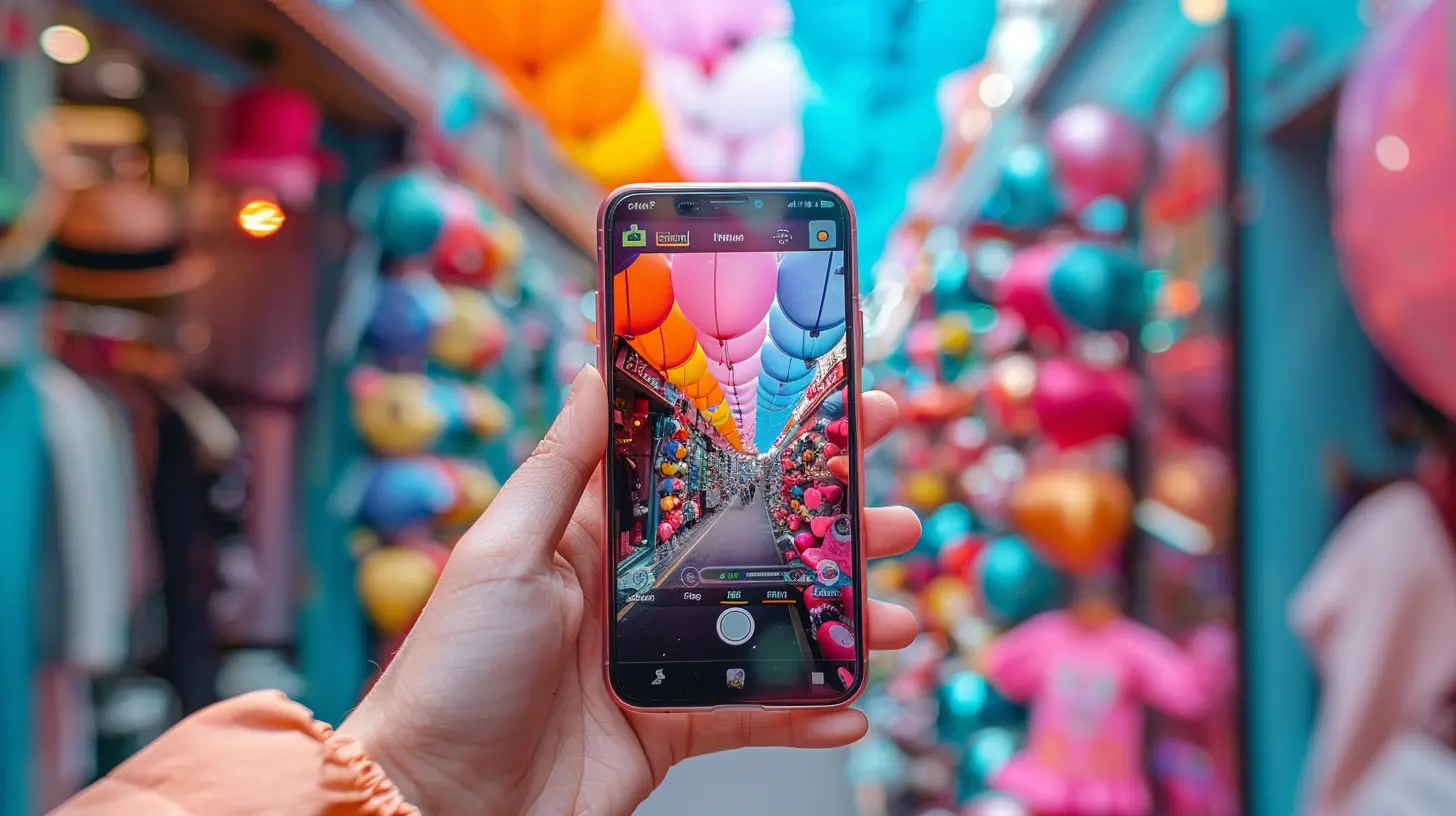
Human Connection Beats Polished Ads
When you see an influencer trying on a new pair of jeans or unboxing the latest gadget, it feels real. They're not models under studio lights – they’re relatable folks showing you how that product fits into their actual life.This human-first approach is gold for retailers. Instead of a one-size-fits-all ad campaign, influencers tailor their content to specific communities. Whether it’s eco-conscious Gen Zers or fitness junkies in their 30s, there’s an influencer for every niche.
Let’s be honest—people don’t want to be sold to anymore. They want to connect. And that’s what influencer marketing is really about: building relationships that convert into sales.
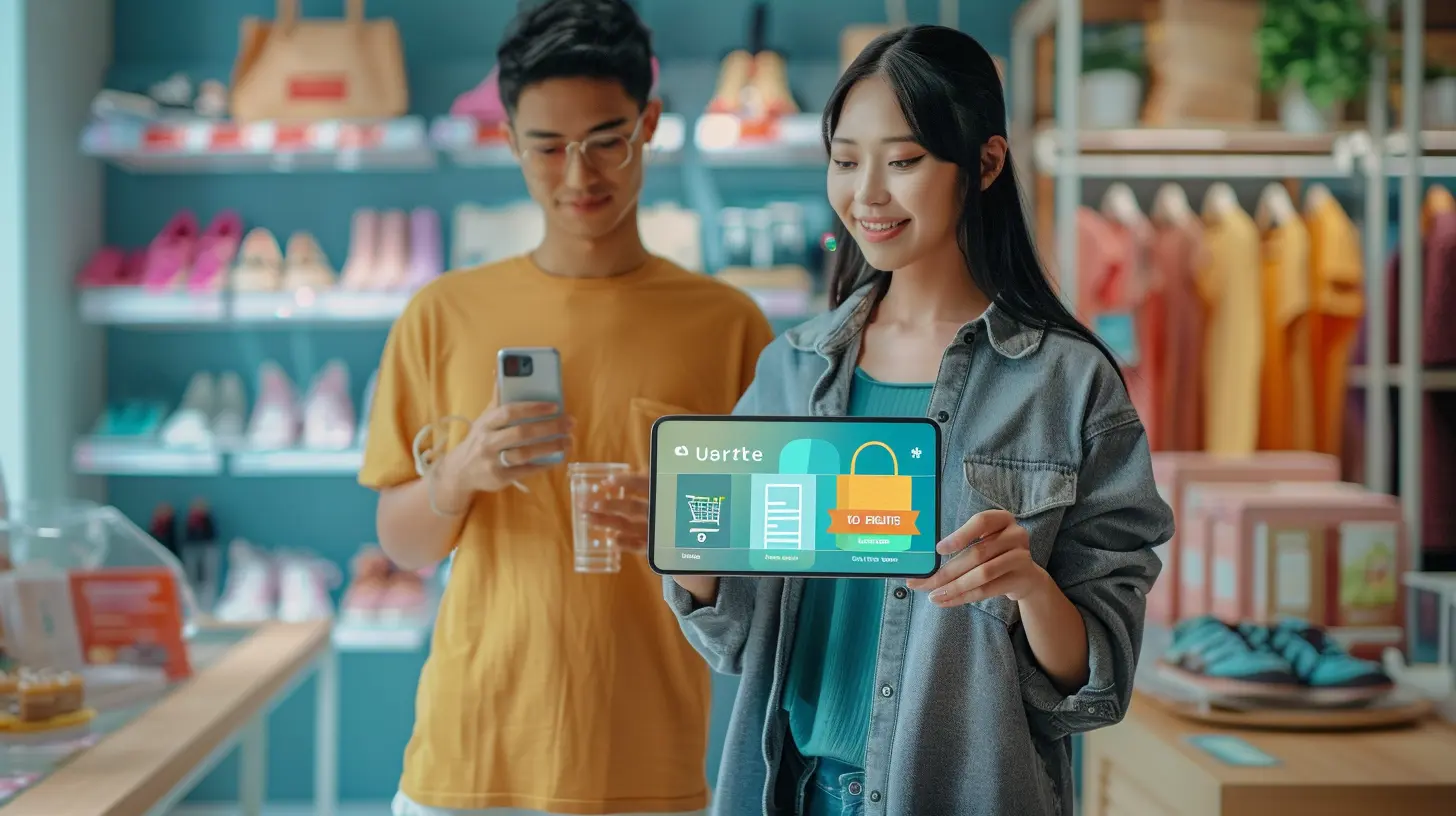
Micro vs. Mega: Size Doesn’t Always Matter
You might think a Kardashian-level influencer with millions of followers will skyrocket your sales. And while that might bring visibility, it doesn’t always translate to conversions. Enter: micro and nano-influencers.These are content creators with smaller, hyper-engaged audiences—usually under 50K followers. Guess what? Their engagement rates are often higher than those of mega-influencers. Why? Because they actually talk to their communities. The trust is strong, and that trust = sales.
Retailers are now strategically partnering with a whole army of micro-influencers, leveraging their niche appeal and genuine connection with their followers. It's like choosing the power of 100 magnifying glasses over one spotlight.
Influencer-Driven Purchases Are The New Norm
Ever heard of the “TikTok Made Me Buy It” trend? That phrase alone has created sellouts across the globe. From skincare to sneakers, if an influencer puts their stamp of approval on it, shoppers act fast.And this behavior isn’t a fluke. According to recent data:
- 49% of consumers depend on influencer recommendations for purchase decisions.
- Retail brands launching influencer campaigns see up to an 11x return on investment (ROI) compared to traditional forms of marketing.
- Products featured in influencer content can see a sales spike of up to 500% in just a few days. Crazy, right?
Influencers hold purchasing power. They're the trendsetters, the testers, and in many ways, the new cash registers of the digital age.
How Retailers Are Winning With Influencer Marketing
Want to know the secret sauce behind some of the most successful retail brands today? It’s smart, data-driven influencer marketing.Here’s how the top dogs are doing it:
1. Strategic Partnerships
Retailers are carefully curating their influencer lists. It’s not just about numbers—it’s about alignment. Brands are looking for creators who share their values, aesthetic, and audience demographics.2. Affiliate Marketing Integration
Many influencers now include affiliate links or discount codes. When their followers purchase through those links, influencers earn a commission. It’s a win-win: the influencer earns money, and the retailer gets trackable sales.3. User-Generated Content (UGC)
We’re seeing a rise in UGC-powered campaigns where influencers create content that brands can reuse across websites, ads, and social posts. It brings a human touch to the overall customer experience.4. Product Collaborations
Some retailers go all-in by co-developing exclusive products with influencers. Think makeup lines, capsule clothing collections, or limited-edition gear. These collabs create massive buzz and urgency—a recipe for retail success.The Impact Isn’t Just Online
You might think all this action is happening in the digital world, but influencer marketing spills over into the physical realm too.Brick-and-mortar stores are reporting increased foot traffic after influencer shoutouts. Pop-up shops promoted by influencers? Packed. QR codes shared by influencers that lead to in-store discounts? Goldmine.
Influencer marketing is becoming an omnichannel powerhouse—blending seamless online excitement with in-person experience. Hello, hybrid retail future.
Data Doesn’t Lie: Proof in the Numbers
You might be thinking, “Okay, this all sounds great, but does influencer marketing really move the needle?” Let’s talk numbers:- 71% of marketers say the quality of customers from influencer marketing is better than other channels.
- Instagram influencers alone drive over $1.2 billion in retail sales annually.
- Retail brands that spend on influencer marketing see average revenue increases of 18%.
That’s not hype. That’s impact.
Challenges and Missteps
Of course, it’s not all sunshine and sold-out inventory. Retailers can stumble when:- They choose influencers who don’t reflect their brand identity.
- Campaigns feel forced or overly promotional.
- There’s no metric tracking or ROI measurement in place.
And then there’s the risk of influencer scandals. A single misstep by a partnered influencer can blow back on the brand. So, retailers need to choose collaborators wisely, emphasizing transparency, authenticity, and shared values.
The Future of Influencer Marketing in Retail
As the digital landscape evolves, influencer marketing isn’t going anywhere—it's just getting smarter.We’re already seeing the rise of AI influencers, virtual try-ons, and social commerce integrations that allow users to buy products directly from social media platforms. Retailers who embrace these tools—with influencers leading the way—will keep winning.
Also, Gen Z is demanding more authenticity and social responsibility. That means retailers will need to work with influencers who stand for something—whether it’s sustainability, diversity, or mental health advocacy.
The future? It’s personalized, community-driven, and powered by voices that matter.
Final Thoughts: Influence = Income
Here’s the truth: influencer marketing is no longer optional for retailers—it’s essential. It’s where visibility meets credibility. Where storytelling meets selling. And where brands become household names almost overnight.If you’re a retailer still on the fence, hop off and step into the arena. Start small, track results, and find your tribe of creators who genuinely love your brand. Because in today’s world, influence doesn’t just build awareness—it builds empires.
all images in this post were generated using AI tools
Category:
RetailAuthor:

Miley Velez
Discussion
rate this article
2 comments
Everett Lawrence
Influencer marketing: where avocado toast meets retail sales! Who knew hashtags could boost profits faster than morning coffee?
April 16, 2026 at 4:38 AM
Miley Velez
Absolutely! It's amazing how a simple hashtag can turn a casual trend into a sales powerhouse. Influencer marketing really does blend lifestyle with retail in unexpected ways.
Amanda McPherson
Oh sure, because nothing says ‘I need this product’ quite like seeing a perfect stranger flaunting it in an Instagram post. Who needs genuine reviews when you have influencers with impeccable lighting?
March 2, 2026 at 3:40 AM
Miley Velez
Influencer marketing often leverages aspirational imagery to attract consumers, but genuine reviews remain crucial for building trust and credibility in purchasing decisions.