The Role of Influencers in Modern Consumer Behavior
23 August 2026
Let’s face it: We’ve come a long way from the days when billboards and TV commercials were the biggest drivers of consumer decisions. Today, consumer behavior is deeply influenced by something that didn’t even exist a couple of decades ago—social media influencers. Love them or hate them, influencers have become an undeniable force in shaping buying decisions. But how exactly do they do it, and why are they so effective? Let’s talk about it. 
Who Are Influencers?
If we’re going to talk about influencers, let’s first establish what we mean. An influencer is basically someone who has the ability to sway the opinions or actions of others due to their online presence. They’ve built trust, credibility, and, most importantly, a following. Whether they’re a beauty guru, gamer, fitness coach, or even a professional dog whisperer, influencers are the modern-day trendsetters.Think about it: Instead of turning to ads or company websites, we now look to these individuals to guide our choices. We trust them like we trust a friend recommending a new coffee shop or Netflix series. Why? Because they’re relatable. They’re not some faceless corporation—they’re real people who seem to “get it.”
Still, is it just about relatability, or is there something bigger at play?
Why Are Influencers So Convincing?
1. They Build Trust and Authenticity
People follow influencers for a reason—they believe in them. When you follow someone online for years, you feel like you know them. You’ve seen their highs and lows, watched their behind-the-scenes moments, and maybe even interacted with them in the comments or DMs.As a result, when influencers recommend a product, it feels authentic. It’s much easier to trust someone you’ve “known” for years than a traditional ad that’s basically screaming, “Buy this now!” Influencers bridge that emotional gap. They’re the friend who tested it out so you don’t have to.
2. The Power of Social Proof
Ever notice that when a product is trending, it’s almost impossible to avoid? That’s social proof in action. Influencers capitalize on this phenomenon by showcasing products in a way that makes you think, “If they love it and their followers love it, I’ll probably love it too.”Think about unboxing videos, skincare routines, or those trendy “What’s in My Bag” posts. Influencers make products look not just desirable but essential, and suddenly, everyone wants in on the action.
3. The Perfect Blend of Aspiration and Relatability
Here’s the thing about influencers: They walk a fine line between being inspirational and approachable. Sure, their life looks perfect on Instagram, but it still feels reachable. It’s not like watching a celebrity on a yacht—it’s more like seeing your cooler friend who just happens to know which lip gloss is worth the hype.This aspirational-yet-relatable vibe is a big reason why influencers resonate so strongly. They make you believe that their lifestyle, products, or recommendations are just one click away.
The Evolution of Consumer Behavior in the Age of Influencers
The rise of influencers hasn’t just tweaked consumer behavior—it’s practically rewritten the rules. Here’s how:1. Fewer “Blind Purchases”
Gone are the days of buying something based solely on a company’s claims. Consumers today are way more informed. Before buying, they’ll check reviews, watch a YouTube demo, or scroll through an influencer’s Instagram highlights. Influencers have become the middlemen between brands and consumers, offering a layer of trust that advertising simply can’t buy.2. A Shift Towards Niche Markets
Another interesting trend? Niche influencers. Think about it: There’s an influencer for everything these days, from zero-waste living to luxury travel for dog owners. These specialists appeal to specific communities, and because their followers share the same niche interests, their recommendations carry even more weight.Niche influencers have shown us that you don’t need to reach millions to make an impact—sometimes, a smaller, loyal audience is even more powerful.
3. The Rise of the “Everyday Expert”
Influencers have redefined what it means to be an expert. You don’t need a degree or a decade of experience to be trusted—you just need to show consistent value.For example, a fitness influencer doesn't need a doctorate in kinesiology to convince us to buy their favorite protein powder. Their visible results and relatable approach are often enough.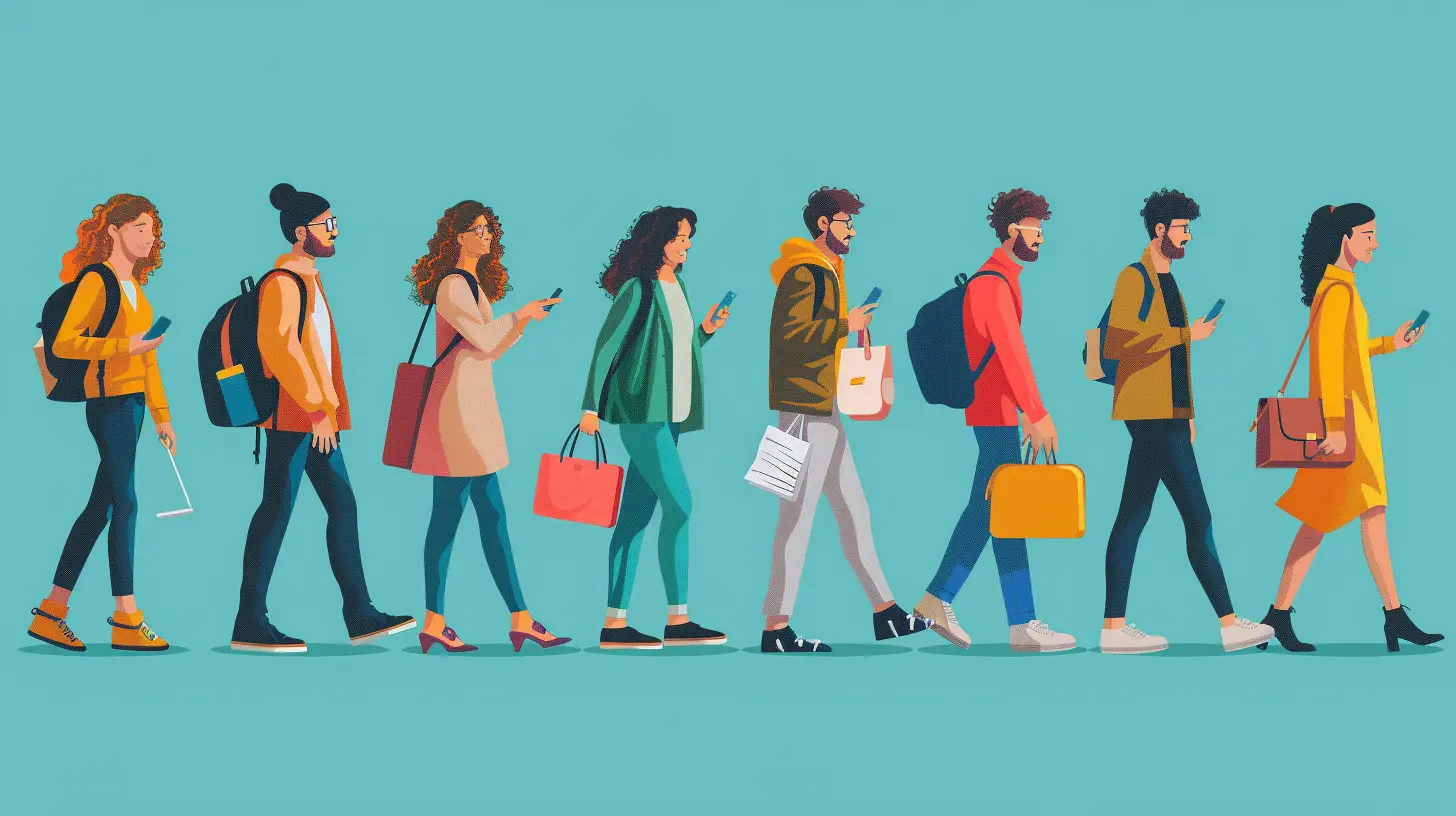
Are Influencers Good or Bad for Consumers?
Now, here’s the million-dollar question: Is all this influencer marketing actually a good thing? The answer isn’t black and white—it’s more of a mixed bag.The Good
- More Transparency: Many influencers go out of their way to be honest about what works and what doesn’t. They’ll call out bad products or suggest cheaper alternatives, which can actually save consumers time and money.- Inspiration for Decision-Making: Let’s be real—sometimes, we just don’t know what to buy. Influencers can introduce us to products we’d never have considered otherwise.
- Community Building: Some influencers create real, authentic communities where followers feel seen and heard. Being part of these digital spaces can be empowering.
The Not-So-Good
- Over-Commercialization: Some influencers promote anything and everything just for a paycheck, leaving followers to question their authenticity.- Unrealistic Expectations: Influencers often curate their lives to look picture-perfect, which can lead to unrealistic expectations and unnecessary spending.
- The FOMO Effect: Seeing influencers with the “latest and greatest” can sometimes make us feel like we’re missing out on something, even when we don’t really need it.
How Brands are Leveraging Influencers
Let’s not forget the flip side of this dynamic: the brands. Companies are no longer pouring all their budgets into traditional advertising. Instead, they’re pouring money into influencer partnerships—and for good reason.1. Targeted Marketing
Influencers allow brands to pinpoint exactly who they want to reach. If you’re selling eco-friendly products, partnering with a sustainability-focused influencer ensures you’re talking to the right audience.2. Cost-Effective Campaigns
Compared to traditional advertising methods, working with influencers can be surprisingly affordable. Plus, influencers typically generate higher engagement, which leads to better ROI.3. Creative Collaborations
Many brands have started co-creating products with influencers, leveraging their creativity and direct connection with their audience. Think of makeup influencers designing palettes or fitness gurus launching activewear lines. It’s a win-win for brands and influencers alike.The Future of Influencer Marketing
Here’s the deal: Influencers aren’t going anywhere anytime soon. If anything, the space will keep evolving. We’re already seeing new trends emerge, like micro-influencers (with smaller but highly engaged audiences) and virtual influencers (yes, AI-powered personalities are now a thing).As consumers, we’ll likely continue to rely on influencers, but perhaps with a more discerning eye. We’ll look for creators who are authentic, transparent, and genuinely aligned with our values.
Final Thoughts
The role of influencers in modern consumer behavior is nothing short of transformative. They’ve reshaped how we discover, evaluate, and buy products, bridging the gap between brands and everyday buyers.Sure, there are downsides, but when done right, the influencer-consumer relationship can be a genuine, symbiotic one. At the end of the day, influencers are just reflections of us. They want what we want: authentic connections, trustworthy recommendations, and a community that feels like home. And honestly? That’s pretty amazing.
all images in this post were generated using AI tools
Category:
Influencer MarketingAuthor:

Miley Velez
Discussion
rate this article
2 comments
Azura McMahan
Influencers have transformed the way consumers make decisions. Their ability to connect authentically with audiences drives engagement and trust. Brands must recognize this shift and leverage influencer partnerships strategically to enhance their reach and resonate deeply with target audiences in today's competitive landscape. The future is now.
August 30, 2026 at 3:43 AM
Miley Velez
Absolutely, influencers have become key players in shaping consumer choices. Their authenticity fosters trust, making strategic partnerships essential for brands looking to connect meaningfully with their audiences. The landscape is evolving, and adaptation is crucial.
Rayna McClendon
Influencers are like the modern-day jesters, entertaining us while shaping our buying habits. Who knew a selfie with a smoothie could spark a shopping spree? They might just be the reason your closet is bursting at the seams... or maybe not!
August 26, 2026 at 10:31 AM
Miley Velez
That's a great observation! Influencers definitely have a unique way of blending entertainment with consumerism. A simple post can inspire a whole new wardrobe... or at least a fridge full of smoothies!