How Venture Capital is Supporting the Blockchain Revolution
10 August 2026
It’s no secret that blockchain technology has been stirring up a storm across industries, from finance and healthcare to real estate and supply chain management. But let’s be real—while blockchain is mind-blowingly revolutionary, it’s not exactly the kind of thing you can build in your garage with pocket change. That’s where venture capital (VC) comes into play, acting as the fuel behind the fire that’s powering this blockchain revolution.
VCs aren’t just throwing cash around haphazardly—they’re strategically investing in startups, protocols, and platforms poised to reshape the way we do business, manage data, and even interact with each other. And let’s face it, without that kind of financial backing, many blockchain ideas would remain just that—ideas. Let’s break it all down: how is venture capital really driving this revolution, and what does it mean for the future?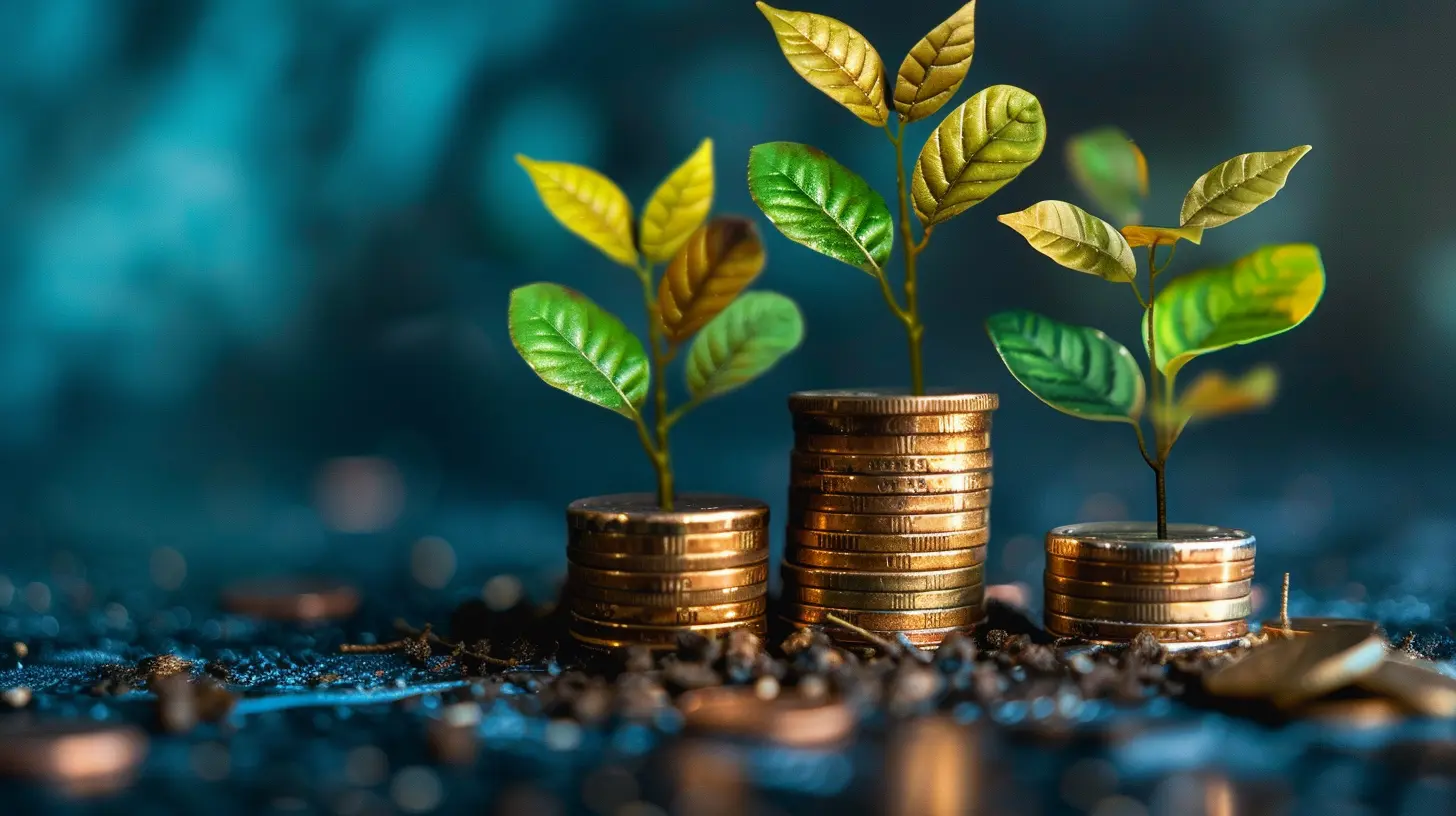
The Intersection of Venture Capital and Blockchain
The Rise of Blockchain: Why It’s a Big Deal
First, let’s level-set here. What's the buzz about blockchain? At its core, blockchain is a decentralized ledger that records and verifies transactions in a way that’s secure, transparent, and tamper-proof. Sounds like a mouthful, but think of it as your reliable, incorruptible digital bestie who keeps track of everything for you.The potential use cases for blockchain are insane: cryptocurrency, supply chain efficiency, fraud prevention, secure voting systems, identity verification, and even gaming. The upside? Limitless. The downside? It’s complex to develop, and building meaningful blockchain-based solutions requires significant time, talent, and (most importantly) money.
This is where venture capital steps in. VC funding has become instrumental in accelerating blockchain innovation. Why? Because traditional funding sources, like banks, often shy away from nascent technologies that feel too risky. VCs, on the other hand, thrive on risk. They’re the adrenaline junkies of the investment world.
Why Venture Capitalists Love Blockchain
So, what makes blockchain so irresistible to VCs? It boils down to two things: potential for massive returns and disruptive capability.1. Insane ROI Potential
Let’s not kid ourselves—money talks. Blockchain technology, especially cryptocurrency, has shown jaw-dropping returns in its early days. Early-stage backers of projects like Ethereum and Bitcoin have seen their investments grow exponentially (and that’s putting it lightly). VCs aren’t blind to this opportunity, and many are betting on finding the next big thing.
2. Industry Disruption
Blockchain’s ability to dismantle traditional systems and create entirely new markets is what dreams are made of for venture capitalists. Think about it: Uber disrupted the taxi industry, Netflix redefined how we consume entertainment, and blockchain is showing similar potential across virtually every sector.
3. Global Reach
Unlike many traditional innovations tied to localized markets, blockchain is inherently global. A distributed ledger doesn’t care whether you’re in San Francisco, Shanghai, or Stockholm—it works universally. This scalability makes blockchain a VC magnet.
How VCs Are Fueling the Blockchain Boom
Massive Funding Rounds
Venture capitalists have been pouring billions into blockchain and crypto startups. In fact, blockchain VC funding hit record highs in 2021 and 2022, with major firms like Andreessen Horowitz (a16z), Sequoia Capital, and Coinbase Ventures leading the charge.Take something like Solana, for example. A blockchain designed for high-speed transactions, it raised over $300 million in a single funding round. Or consider OpenSea, the NFT marketplace backed by VCs like Paradigm and a16z—it achieved a multi-billion-dollar valuation. These kinds of funding rounds are a testament to how venture capital is enabling young blockchain companies to scale quickly.
Funding Early-Stage Projects
It’s not just the big names getting attention—venture capitalists are digging deep to uncover diamonds in the rough. These early-stage investments are critical because they allow founders to experiment, test ideas, and refine their products.Think of venture capital as rocket fuel for startups. Without it, many blockchain projects would fizzle out after takeoff. Early funds often go toward hiring developers, conducting research, and building out infrastructure—things that are non-negotiable for any blockchain enterprise.
Supporting Ecosystem Growth
VCs aren't just backing individual projects; they’re helping to build entire ecosystems. They do this by supporting infrastructure projects, such as Layer 1 and Layer 2 protocols, decentralized finance (DeFi) platforms, and interoperability solutions. These investments ensure that blockchain has the sturdy foundation it needs to thrive long-term.Some VCs even provide mentorship, networking opportunities, and guidance to help startups navigate through the often-treacherous waters of scaling a blockchain business. They're not just writing checks—they're rolling up their sleeves and getting involved.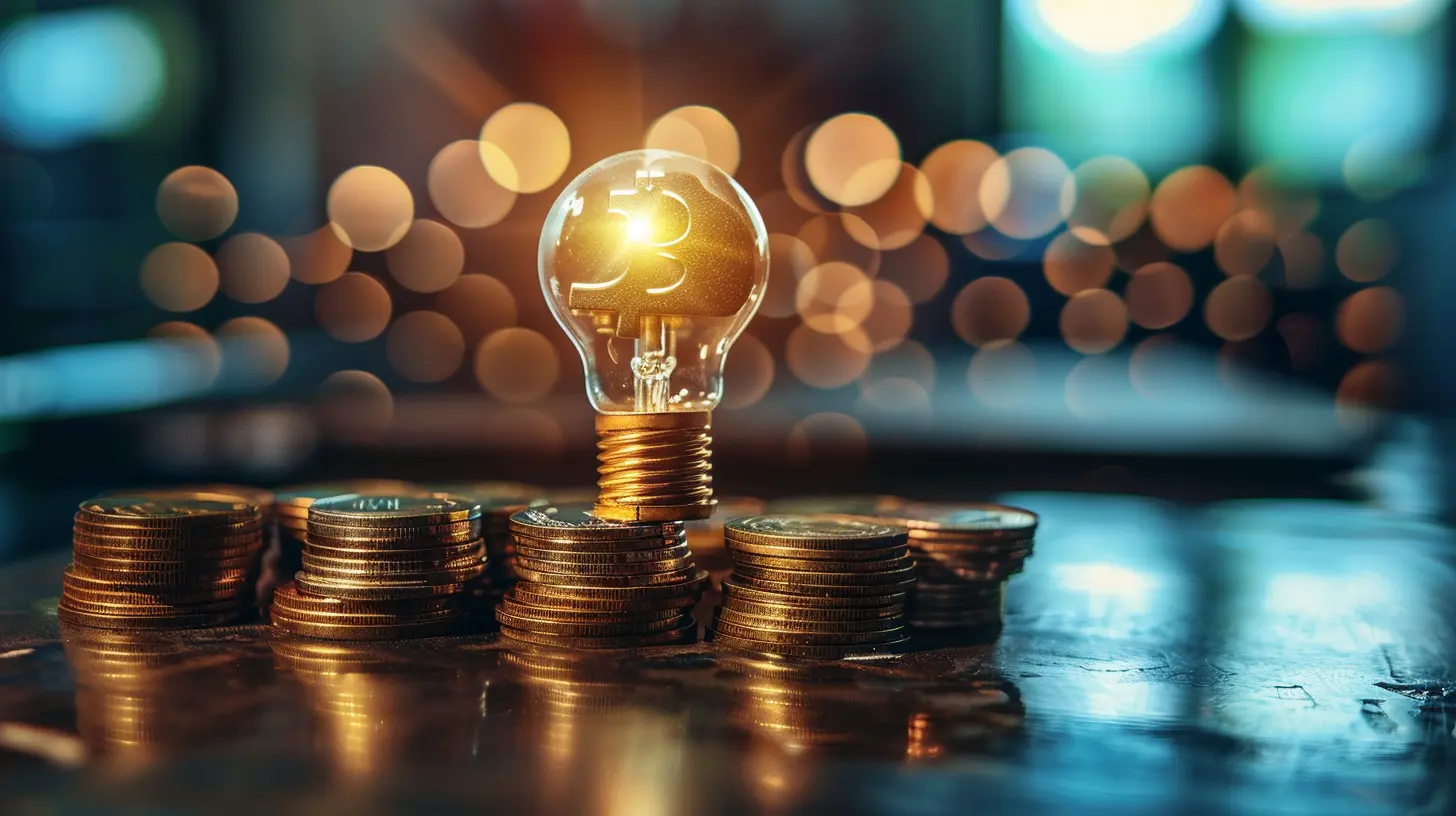
The Challenges of Venture Capital in Blockchain
Now, let’s not pretend it’s all sunshine and rainbows. Venture capital and blockchain also have their fair share of challenges and risks.Volatility and Unpredictability
Cryptocurrency markets are notoriously volatile, and this can scare even the most seasoned investors. While blockchain’s potential is undeniable, its future can be hard to predict. Will a new regulation wipe out an entire sector? Will a better technology make today’s solutions obsolete? These are real questions VCs have to grapple with.Regulatory Hurdles
Speaking of regulation, it’s a massive gray area for blockchain. Governments around the world are still figuring out how to classify cryptocurrencies, smart contracts, and decentralized applications. Without clear guidelines, investing in blockchain can sometimes feel like navigating a minefield.Bubble Concerns
Remember the dot-com bubble? Some skeptics argue that we’re seeing a similar pattern in blockchain. With so much hype and speculation, there’s always the risk of overvaluation and a potential market correction. VCs have to be vigilant about not getting swept up in the frenzy.
What the Future Holds: VCs and Blockchain
Despite the challenges, venture capital's relationship with blockchain is only strengthening. As the technology matures, we’re likely to see even greater VC interest, especially as new use cases emerge.Focus on Real-World Applications
While early VC investments often centered around “wild west” ideas like meme coins and speculative tokens, there’s now a clear shift toward practical applications. Things like decentralized finance, supply chain logistics, and digital identity solutions are catching investors' eyes.Greater Collaboration
The future of blockchain might not just be about startups—it’s likely to involve partnerships between blockchain innovators and traditional companies. VCs can play a key role in fostering these collaborations.Institutional Adoption
As institutions like banks and governments begin adopting blockchain, the floodgates could open for even more VC investment. Remember, what seems niche today can become mainstream tomorrow.Wrapping It Up
Venture capital is undeniably one of the biggest driving forces behind the blockchain revolution. Without the funding, mentorship, and support of VCs, many of the groundbreaking innovations we’re seeing today simply wouldn’t exist. Sure, there are challenges—blockchain is a wild, unpredictable beast—but the potential rewards far outweigh the risks.For VCs, blockchain is not just an opportunity to make money; it’s a chance to be part of something transformative. For the rest of us? It’s exciting to watch from the sidelines as this partnership reshapes the world as we know it.
all images in this post were generated using AI tools
Category:
Venture CapitalAuthor:

Miley Velez
Discussion
rate this article
1 comments
Jackson McQuaid
It's exciting to see how venture capital is driving innovation in the blockchain space. The potential for new ideas and solutions is huge, and we're only scratching the surface...
August 16, 2026 at 3:52 AM