Best Practices for Implementing Automation in Human Resources
6 April 2026
Let’s face it—HR teams are juggling a lot these days. Between talent acquisition, onboarding, payroll, benefits, compliance, and keeping employees happy (hello, engagement surveys!)—things can get seriously overwhelming. That’s where automation comes swooping in like a superhero. If done right, HR automation can save a whole lot of time, reduce human error, and let your team focus on the stuff that actually matters: people.
But here’s the thing. You can’t just throw a bunch of software at HR and expect everything to magically work. It takes strategy, planning, and yes—a little patience. So let’s break down the best practices for implementing automation in Human Resources that not only work but feel like a breath of fresh air for your whole team.
Why Automate HR in the First Place?
Before we get into the how, let’s quickly talk about the why. Why should HR teams care about automation?Think about all the repetitive tasks HR handles: scheduling interviews, onboarding paperwork, payroll calculations, employee performance tracking, exit processing—the list goes on. These admin-heavy tasks eat up hours every week. Automation helps you reclaim that time.
Instead of spending your energy on pushing paper (digitally or otherwise), you can focus on improving company culture, supporting employee growth, and creating experiences that make your workplace stand out.
Benefits You’ll Notice Fast:
- Shorter hiring cycles- More accurate data handling
- Better compliance with labor laws
- Higher employee satisfaction
- Greater HR team productivity
Sounds good, right? Let’s talk about how to actually make it happen—step by step.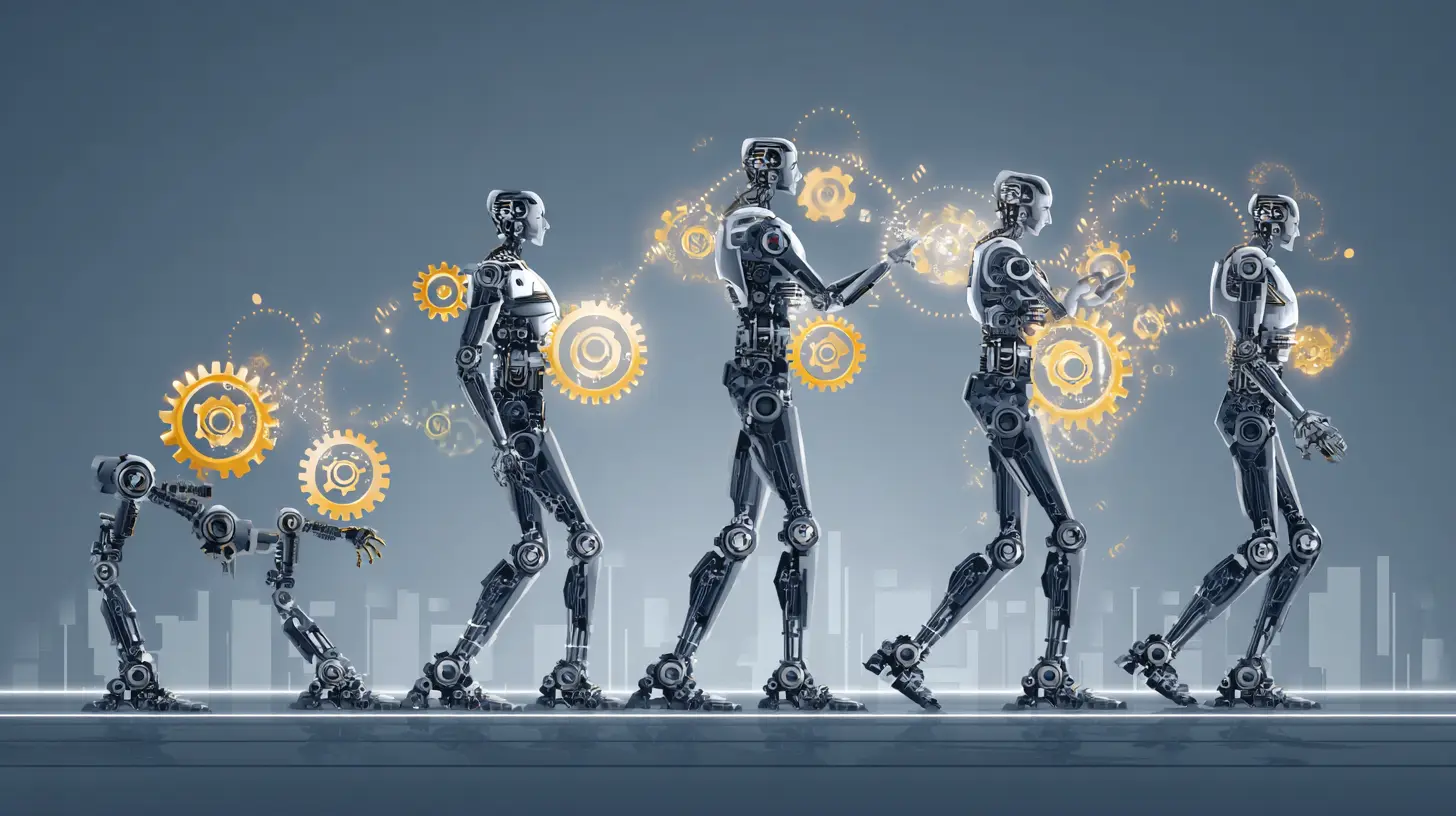
1. Start Small—Don’t Automate Everything at Once
You might be tempted to overhaul your entire HR process in one go. Fight that urge.Start small. Pick one area that’s ripe for automation—like time-off requests or applicant tracking—and dip your toes in the water. That way, you can work out any kinks, get your team familiar with the tools, and build confidence before rolling out more.
Quick Tip:
Choose a process that's:- Simple to automate
- High volume (so you’ll feel the time savings fast)
- Low risk if something goes wrong
Think “baby steps,” not a full-on sprint.
2. Identify Your HR Pain Points
Think of automation as a solution looking for a problem. That means you have to be crystal clear on what problems you’re trying to solve.Are managers complaining about clunky performance reviews? Is your hiring process taking forever? Do employees struggle to find their benefits information?
Map out your current HR workflows, and talk to your team. Find where the bottlenecks are. That’s where automation can have the biggest impact.
Use These Questions to Guide You:
- What tasks are eating up the most time?- Where are errors creeping in?
- What frustrates your team the most?
- Where are we losing candidates or employees?
Once you know your pain points, you can match them with the right tech tools.
3. Choose the Right Tools (And Don’t Overcomplicate It)
Here's where many companies trip up—they either choose tools that are “too basic” and outgrow them quickly, or they go full enterprise-level when they only needed a quarter of the features.Stick with tools that:
- Integrate well with your existing systems
- Are user-friendly (you don’t want to struggle through a clunky UI)
- Offer good support and training
- Scale as your business grows
Popular HR Automation Tools (Just to Get You Thinking):
- BambooHR – for all-in-one HR management- Workable – for automated hiring workflows
- Gusto – for payroll and benefits
- Zoho People – for employee management
- Greenhouse – for applicant tracking
- Deel – for international payroll automation
Pro Tip: Ask for demos and free trials. Put each platform to the test before committing.
4. Get Everyone (Really, Everyone) On Board
You can have the best tool in the world, but if your HR team, managers, and employees don’t actually use it—you’ve wasted your money.So how do you get buy-in?
Communicate the benefits right from the start. Explain how automation will make everyone's lives easier.
Better yet, involve key stakeholders in the selection process. That way, they feel ownership and are more likely to champion the change.
Consider These Three Groups:
- HR staff: Will be the main users. Make sure they’re trained and comfortable.- Managers: Need to use tools for hiring, performance, and approvals.
- Employees: Should find self-service options intuitive and useful.
Train them. Support them. Get their feedback. Make everyone feel like a part of the upgrade.
5. Make Data Your Best Friend
One of the coolest perks of HR automation? The data.Automation tools collect and organize HR metrics effortlessly—everything from time-to-hire to employee turnover trends. That means you can make better, faster decisions based on facts, not hunches.
Just make sure you're using that data wisely. Set benchmarks, track progress, and tweak processes when needed.
Look at Metrics Like:
- Time to fill positions- Employee engagement scores
- Training completion rates
- Retention by department
- Promotion rates by demographic
The goal? Use data to continually improve your people strategies.
6. Keep the Human in Human Resources
Here’s the part you don’t want to forget: automation should never replace the human touch.Yes, you can automate interview scheduling. But you still need someone to bring warmth and personality during the actual conversation.
Yes, you can automate surveys. But take time to follow up and act on the results.
HR is, at its core, about relationships. Automation should support that—not replace it.
How to Stay Human:
- Use automation to free up time for face-to-face interactions- Add personalized messages to automated workflows
- Follow up automated actions with real conversations
In other words, let machines handle the repetitive stuff so your people can shine.
7. Stay Flexible and Keep Improving
HR automation isn’t a “set it and forget it” kind of thing. It’s a constant learning process.As your company grows, your needs will evolve. New laws pop up. Employee preferences shift. That shiny tool you installed last year might need an upgrade—or a replacement.
So keep checking in. Ask your team what’s working and what’s not. Regularly audit your processes. Stay open to change.
Ask Yourself:
- Are we using all the features of this tool?- What’s still being done manually that shouldn’t be?
- Is the employee experience improving?
Stay curious, and your HR tech stack will stay relevant.
8. Put Security and Compliance First
HR deals with seriously sensitive information—salaries, medical data, disciplinary actions, performance reviews, and more. So security and compliance should be top of mind when implementing automation.Make sure the tools you use are GDPR-, HIPAA-, and SOC 2-compliant (depending on where you operate). Enable multi-factor authentication. Keep role-based permissions tight.
And most importantly—train your team on security best practices. Tools are only as secure as the people using them.
9. Don’t Ignore the Candidate and Employee Experience
Automation shouldn’t feel cold or robotic. If it makes your candidates or employees feel like just another number—you're missing the point.Here’s an example: Automated interview scheduling is great. But if the emails feel generic or impersonal, it creates a negative first impression.
Tips to Humanize the Experience:
- Add names and friendly language to automated emails- Use branded portals with personal touches
- Offer chat support for common HR questions
- Always leave room for real human interaction
A seamless, caring experience is what helps attract and keep top talent.
10. Celebrate the Wins and Show ROI
Last but not least—track and share your automation wins!If automation helped reduce onboarding time by 40%, show that off in your company meetings. If errors in payroll dropped to zero, shout it from the rooftops.
This kind of internal PR helps justify your investment and builds momentum for future improvements. When your leadership team sees the value, they’re more likely to support even more automation projects down the road.
Final Thoughts: Make HR Automation Work for You
HR automation isn’t about turning people into processes. It’s about cutting through noise, reducing burnout, and creating space for meaningful work.When implemented thoughtfully, it can truly transform the HR function from a reactive, administrative department into a proactive, strategic powerhouse.
Start small, stay people-focused, and keep growing. Automation won’t replace your HR team—it’ll help them become the superheroes they were meant to be.
all images in this post were generated using AI tools
Category:
Business AutomationAuthor:

Miley Velez
Discussion
rate this article
2 comments
Drake McCloud
Automation can streamline HR processes, improve efficiency, and enhance employee experience when implemented thoughtfully.
June 15, 2026 at 2:43 AM
Miley Velez
Absolutely. Thoughtful implementation is key to maximizing benefits in HR automation.
Cain
Embrace automation thoughtfully; it enhances efficiency but remember, the human touch remains invaluable in HR practices.
April 6, 2026 at 4:51 AM
Miley Velez
Absolutely agree. Balancing automation with a personal touch is key to successful HR practices.