The Power of Personalization in Retail: Tailoring the Shopping Experience
1 March 2026
Let’s take a step back for a moment. Picture yourself walking into your favorite store. The lights aren't too bright, the music hits just the right mood, and somehow, the products on display seem like they were picked just for you. A friendly staff member greets you with a smile and says, “Hey, we just got something you’d love.”
Creepy or cool?
In today’s retail world, it’s less about the hard sell and more about the personal touch. Quite literally, personalization is the new battleground in retail—and it's reshaping everything about how we shop, online and off.
So, grab your metaphorical shopping cart. We’re diving deep into the mysterious and powerful world of personalization in retail.
What is Personalization in Retail, Really?
Okay, let’s not overcomplicate things. Personalization in retail is simply the ability to tailor the shopping experience to individual customers based on their preferences, behaviors, and past interactions.Think Netflix suggestions but for your wardrobe.
Or Spotify’s “Discover Weekly” but for your kitchenware.
But here's the kicker—personalization isn’t just about saying “Hi, [Insert First Name]” in an email. That’s baby steps. We're talking about personalized product recommendations, customized pricing, hyper-relevant email campaigns, location-based offers, personalized web content… the whole nine yards.
Retailers today have access to mountains (and I mean Everest-level mountains) of data. And the smart ones are using it to whip up shopping experiences so personal, you'd swear the brand was reading your mind.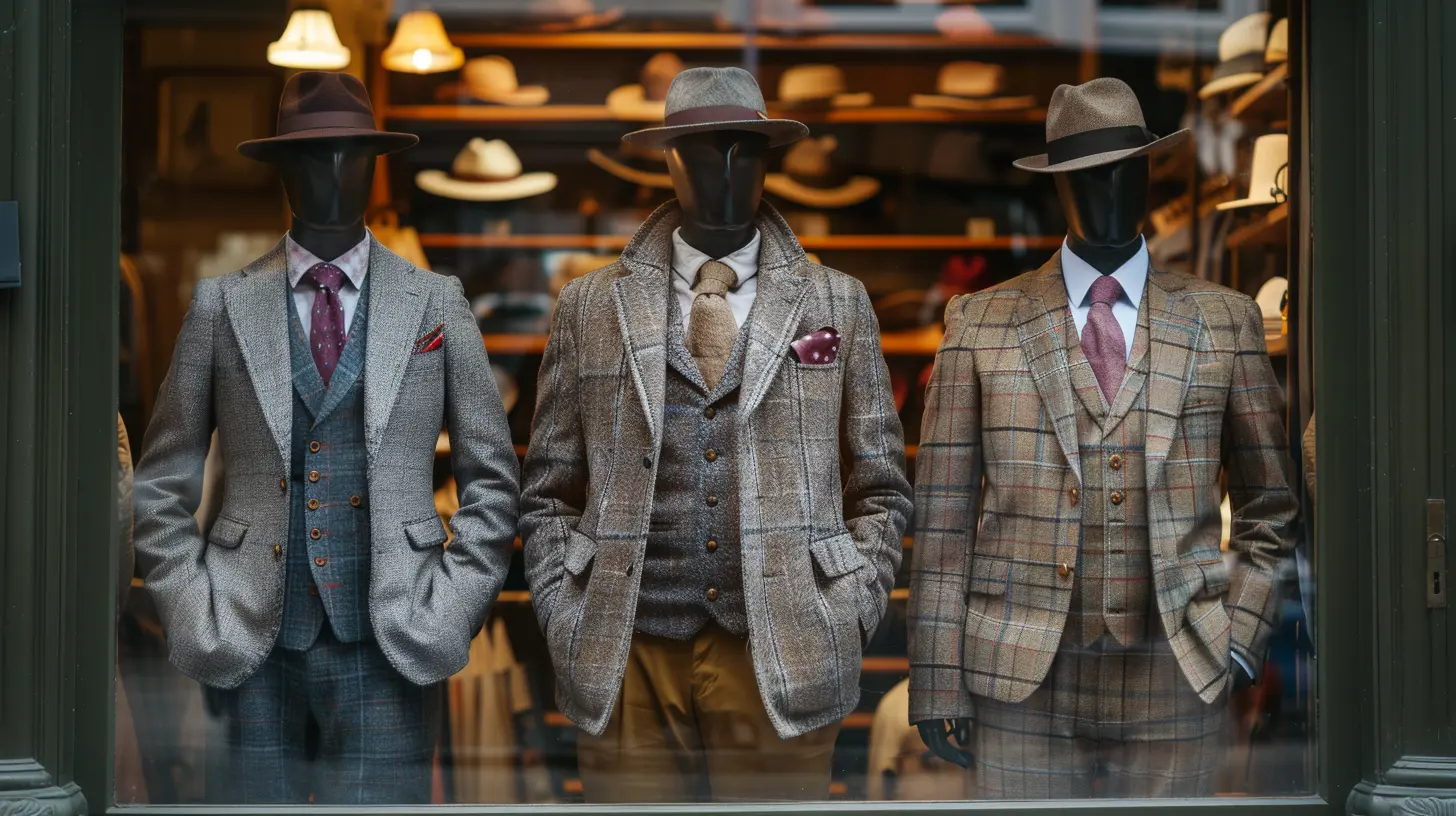
Why Does Personalization Even Matter?
Let’s be honest—shoppers are spoiled. We don’t just want things fast and cheap anymore. We want to feel seen.You know that warm, fuzzy feeling when your barista remembers your coffee order? That’s what customers crave on a larger scale. Personalized retail touches create emotional connections—something automation can’t replicate (yet).
According to research, companies that excel at personalization drive 40% more revenue from those activities than average players. Forty percent! That's not a number you brush off.
Customers are also more likely to return. They'll engage more, spend more, and rave about the experience to friends. In a world where competition is fierce, that’s gold.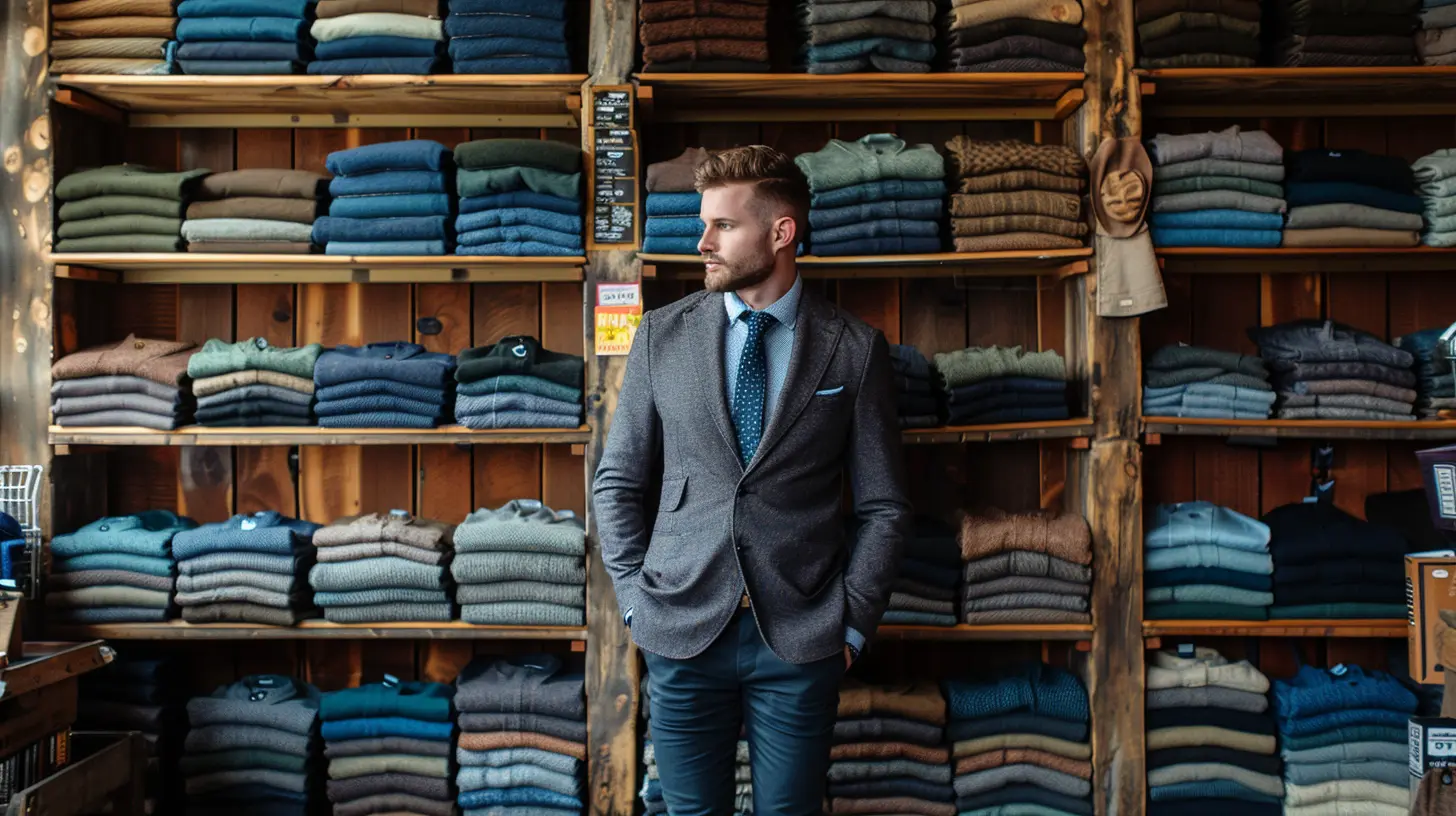
The Secret Sauce Behind Personalization: Data
Here’s where things get juicy.At the heart of personalization is data. Every click, scroll, purchase, return, and pause tells a story. Retailers that know how to listen—and translate those signals into action—are winning.
We’re talking:
- Browsing history – What did the customer look at but not buy?
- Purchase history – What’s already in their closet or kitchen?
- Location data – Are they shopping from Brooklyn or Barcelona?
- Device usage – Are they browsing on mobile or desktop?
- Time of day – Do they shop more during lunch breaks or late nights?
It’s like digital breadcrumbs leading to insights that help retailers make smarter, more empathetic decisions.
Still, not all data is created equal. There’s a fine line between personalization and invasion. Shoppers want better experiences, sure—but not at the cost of their privacy. Trust is the currency here.
Types of Personalization That Are Changing the Game
Let’s break down the real-world applications. Because it’s not just theoretical—retailers are using personalization in mind-blowing ways right now.1. Personalized Product Recommendations
This is the biggie. Based on a customer's behavior and preferences, retailers offer items they’re actually likely to want or need.Think Amazon’s “Customers who bought this also bought…” or clothing brands suggesting outfits based on your recent buys.
It’s like having a virtual stylist… without the awkward small talk.
2. Personalized Email Campaigns
We’ve all gotten the generic “Spring Sale!” email. Yawn.Smart retailers are using real-time data to send emails with curated content, dynamic pricing, and product suggestions tailored to each recipient.
It turns the inbox from noise to value.
3. Location-Based Personalization
When your favorite app tells you there’s a flash sale at the store two blocks away—yup, that’s location-based magic.It's hyper-local, hyper-relevant, and super effective.
4. Personalized Offers and Dynamic Pricing
Some customers love a deal; others value exclusivity. Retailers can serve up promotions based on what makes you tick.Dynamic pricing also means adjusting prices based on demand, browsing history, and even competitor prices. It’s a bit like playing poker with algorithms.
5. Personalized In-Store Experiences
Just because you walk into a physical store doesn’t mean personalization stops.RFID tags, smart mirrors, and mobile apps can blend the digital and physical worlds, creating immersive, personalized experiences. Stores like Nike and Sephora are leading the charge here.
Personalization Pitfalls: When It Goes Too Far
Now, let's not pretend it's all rainbows and unicorns.There’s a dark side to personalization. Go too far, and it quickly morphs into “creepy stalker” territory. Imagine getting a push notification seconds after looking at a product online. Or worse, ads for pregnancy products before you've told anyone you're expecting. Yikes.
The key is balance.
Transparency and consent are crucial. Customers should know how their data is being used—and feel like they’re getting value in return.
The Technology Powering All of This
Behind the curtain, it’s not magic—it’s some pretty advanced tech.🧠 AI and Machine Learning
These are the engines driving personalization. AI sifts through massive amounts of data fast, learning patterns and preferences in real-time.It’s like giving your business a pair of x-ray glasses.
⛅ Cloud Computing
You need scale to crunch data like this, and cloud platforms deliver. Whether it’s AWS, Google Cloud, or Microsoft Azure, the cloud keeps systems fast, flexible, and scalable.💡 CRM and CDP Systems
Customer Relationship Management (CRM) and Customer Data Platforms (CDP) help collect, organize, and activate customer data across channels.Think of them as your digital memory banks.
The Emotional Side of Personalization
Here's where it gets really interesting. Personalization isn’t just about driving revenue (though it’s great for that). It taps into emotion.When customers interact with a brand that “gets them,” they feel understood, valued, and even cared for. That emotional resonance builds loyalty like nothing else.
In a commoditized world, emotional connection is the real differentiator.
Small Retailers, Don’t Panic—You Can Compete Too
Now, you might be thinking, “Sure, this all sounds great for Amazon or Target—but what about a small boutique brand?”Good news: personalization isn’t just for the big players.
Tools like Klaviyo, Shopify, and Mailchimp are making it easier than ever for small businesses to offer big-brand experiences. You don’t need IBM Watson—you just need the right tools, clear goals, and a dash of creativity.
Start small. Segment your email lists. Offer product bundles based on past purchases. Personalize thank-you messages. The little things add up.
The Future of Personalized Retail: What’s Next?
Okay, let’s gaze into the crystal ball.We’re heading toward a future where experiences are not just personalized—they’re predictive.
Imagine:
- Virtual try-ons that adapt to your body type in real-time
- Smart fridges that reorder groceries before you run out
- Physical stores you don’t even have to check out of (hello, Amazon Go)
Retail will become less about transactions and more about relationships. Every touchpoint will be an opportunity to connect, surprise, and delight.
But personalization won’t just be a feature. It’ll be the norm.
Final Thoughts: Your Brand, Their Story
Here’s the thing—personalization isn’t about the company, it’s about the customer.It’s about making them feel like the hero of their own story, with your brand just playing a supporting role. Retailers who understand this—who lean into it with authenticity, humility, and creativity—are going to thrive.
So, next time you launch a campaign or roll out a new strategy, ask yourself:
- Does this feel human?
- Does this create value?
- Does this make someone’s day even a little easier or brighter?
If the answer is yes, congratulations—you’re harnessing the true power of personalization.
Now, go tailor some experiences. Your customers are waiting.
all images in this post were generated using AI tools
Category:
RetailAuthor:

Miley Velez
Discussion
rate this article
2 comments
Rayna Martinez
Personalization in retail enhances customer loyalty and satisfaction by tailoring experiences to individual preferences. Utilizing data analytics, businesses can curate offerings, optimize communication, and create targeted marketing strategies. This approach not only drives sales but also fosters long-term relationships with customers, ultimately boosting brand success.
April 21, 2026 at 4:24 AM
Miley Velez
Thank you for your insightful comment! Indeed, personalization is key to enhancing customer loyalty and satisfaction, driving both sales and brand success.
Dahlia Hayes
Personalization transforms shopping from a chore to a delight, creating connections that keep customers coming back for more!
March 8, 2026 at 6:00 AM
Miley Velez
Absolutely! Personalization really does elevate the shopping experience and fosters lasting customer loyalty.