Understanding the Difference Between a Soft vs. Hard Launch
20 June 2026
Alright, you've got a product, service, app, or maybe even a brand-new business ready to make its grand entrance into the world. You've poured sweat, tears, and probably way too much coffee into getting everything just right. But now you're standing at a crossroads, scratching your head, asking yourself: _Should I soft launch this or go all out with a hard launch?_
It's a valid question. In fact, it's a crucial one. Because how you introduce your thingamajig (yes, that’s the technical term) can make a big difference in how the market receives it and how much traction you get out of the gate.
So, let’s break this down, shall we? Grab a cup of your favorite beverage, kick back, and let’s dive into the wonderfully wacky world of soft vs. hard launches. By the end, you’ll be ready to launch like a pro—without crash-landing.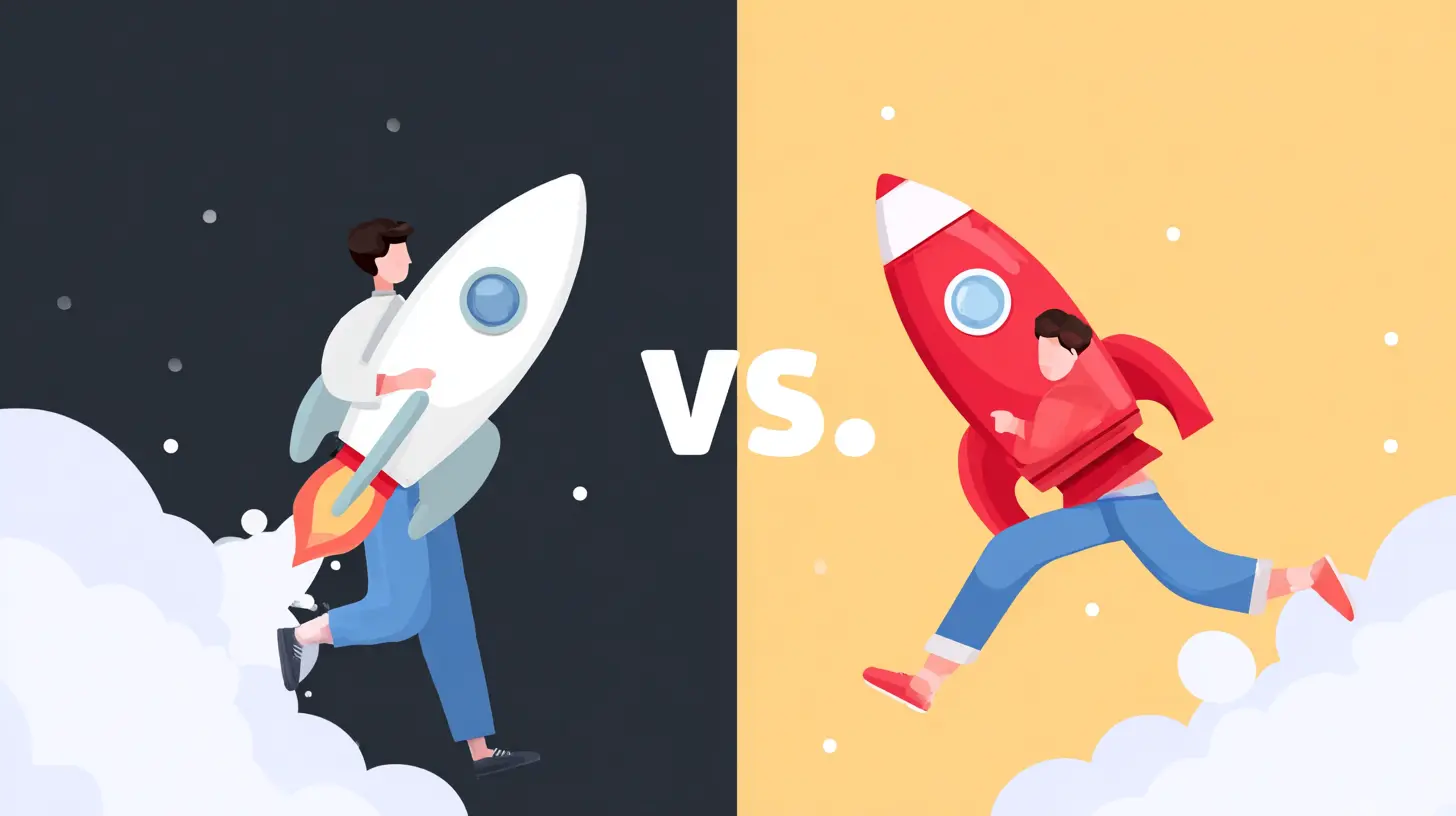
What Exactly Is a “Launch” Anyway?
Think of a launch as the party you throw for your product to tell the world, "Hey! Look at this awesome thing I made!" But just like parties, launches come in different flavors.A soft launch is your quiet dinner party—intimate, controlled, maybe just family and friends.
A hard launch? That’s your full-blown, DJ-blasting, confetti-flying, everyone’s-invited bash.
Different vibes. Different goals. Both can be effective, depending on your endgame.
The Soft Launch: Testing Waters Without Making Waves
What's a Soft Launch?
A soft launch is a limited release of your product/service to a small, specific audience before going public. Think of it as the rehearsal dinner before the wedding—intimate, low-key, and incredibly useful for spotting any last-minute details that need fixing.Let’s say you’ve developed a new app. Instead of pushing it out to the whole world on Day 1, you release it just in one city or only to beta users. You're watching carefully—not just how well the app works, but how real humans use it, where they get confused, and what features they love (or hate).
Why Do a Soft Launch?
Honestly, because it's smart. Here’s why folks choose to soft launch:- ? Test the product or service in a real-world environment
- ? Gather user feedback and tweak before the big reveal
- ? Spend less money upfront on marketing
- ? Catch bugs, issues, or glaring facepalm-moments early
Think of it like taste-testing your signature dish before feeding it to 500 guests. You wouldn’t serve raw chicken, right? Same principle.
Ideal For:
- Startups on a budget- New tech/products that need real-world testing
- Businesses launching in phases (e.g., city by city or niche by niche)
- Entrepreneurs who prefer to iterate based on feedback

The Hard Launch: Going Big or Going Home
What's a Hard Launch?
Cue the dramatic music! A hard launch is the official, all-in, full-blown debut of your product or service to the public. It's your red carpet moment—the day your baby walks out into the world with glitter in its hair and a press release in hand.You probably have a specific launch date. There’s a big marketing campaign. There are emails, social media ads, influencers, PR buzz—you name it. You’re basically screaming from the rooftops, “We’re open for business!!”
Why Do a Hard Launch?
Because sometimes going big is the best way to make an impact. Benefits include:- ? Instant visibility and brand awareness
- ? Quick customer acquisition, especially if the product is ready
- ? Stronger potential for immediate ROI
- ? Media buzz and momentum if done right
A hard launch is like proposing on live television. Risky? Sure. Memorable? Definitely.
Ideal For:
- Established businesses with a loyal customer base- Products with widespread appeal
- Brands aiming for fast growth and market penetration
- Companies with juicy marketing budgets and tight go-to-market timelines

Soft Launch vs. Hard Launch: A Side-by-Side Showdown
| Feature | Soft Launch | Hard Launch ||--------|-------------|-------------|
| Audience | Limited & controlled | General public |
| Budget | Lower marketing spend | Higher marketing spend |
| Risk | Low stakes | High stakes |
| Feedback | Instant and usable | Too late to change things |
| Speed | Slower rollout | Fast and furious |
| Ideal For | Testing, iteration, beta | Major exposure, scaling fast |
So... Which One Should You Use?
Ah, the million-dollar question.Here’s a hot take: It depends. (Yes, that vague answer you both love and hate.)
But let’s break it down with a little decision-making cheat sheet.
Choose a Soft Launch If…
- You’re entering a new market or industry- Your product hasn’t been tested at scale
- You’re short on marketing budget
- You want real feedback before the big reveal
- You're deathly afraid of public failure (we totally get it ?)
Opt for a Hard Launch If…
- Your product is polished and fully tested- You have a strong, prepared marketing team
- You need quick traction or investor attention
- You've validated your concept with previous launches or tests
- You've built anticipation and can’t keep the crowd waiting any longer ?
Real-World Examples (Because Who Doesn’t Love Those?)
Soft Launch Success Story: Airbnb
Back when Airbnb started, they didn’t roll out a global platform overnight. Heck no. They started by testing the idea in San Francisco, renting out a couple of airbeds in their own apartment during a local conference. That tiny, controlled release gave them insights they used to grow exponentially.Hard Launch Win: Apple
Ever watched an Apple product launch? They don’t do “quiet.” When they launch something, the world watches. Apple launches are elegantly choreographed PR symphonies combined with product feature overload, and the results show in their billion-dollar sales.Pros and Cons at a Glance
Pros of a Soft Launch
✔ Real-world feedback✔ Low pressure
✔ Easier to course-correct
✔ Budget-friendly
Cons of a Soft Launch
✘ Limited reach✘ May not build hype
✘ Slower momentum
✘ Could be overlooked
Pros of a Hard Launch
✔ Maximum exposure✔ Faster ROI
✔ Creates buzz
✔ Can dominate the market quickly
Cons of a Hard Launch
✘ Costly✘ High pressure
✘ Risk of failure is very public
✘ Hard to pivot once launched
Tips for Nailing Your Launch (Soft or Hard)
Whether you're dipping a toe or cannonballing in, a few tips go a long way:1. Know your audience. Are they early adopters? Skeptics? Tech lovers? Grandma and her book club? Tailor accordingly.
2. Set clear goals. What do you want out of this launch—feedback, users, sales, fame?
3. Test EVERYTHING. Especially with a soft launch, the goal is figuring out what works (and what crashes).
4. Plan your marketing. Even a soft launch needs a whisper campaign.
5. Be ready to pivot. Feedback is gold—don’t ignore it just because you’re too in love with your creation.
6. Engage your users. Their first experience is crucial. Amaze them, and they’ll stick around (and tell their friends).
Launching 101: The Final Takeaway
At the end of the day, whether you soft launch or hard launch comes down to your goals, resources, and stomach for risk. Neither approach is inherently better—it’s all about what makes sense for your situation.Think of your launch strategy like cooking. A soft launch is your slow-cooker meal—low and slow, packed with flavor. A hard launch is your sizzling stir-fry—flashy and fast. Both can be delicious, if done right.
So go ahead, future mogul. Pick your launch lane, prep your game plan, and get ready to show the world what you’ve built. Just don’t forget to celebrate once you go live—preferably with tacos.
all images in this post were generated using AI tools
Category:
Product LaunchAuthor:

Miley Velez
Discussion
rate this article
1 comments
Zedric Johnson
A clear grasp of soft and hard launches is crucial for any business strategy. Soft launches allow for testing and feedback, while hard launches create immediate visibility. Choosing the right approach can significantly impact product success and market reception.
June 21, 2026 at 4:53 AM
Miley Velez
Absolutely, understanding both types of launches is key. They each serve distinct purposes that can shape a product's journey in the market.