The Science Behind Influencer Audience Segmentation
12 June 2026
Ah, influencer marketing—because who doesn’t want to be influenced by someone who got famous for lip-syncing on TikTok? Jokes aside, influencer marketing is a multi-billion-dollar industry, and brands are throwing cash at influencers like they’re human billboards. But here’s the catch: not all audiences are created equal.
If you think every influencer has the same type of followers, I’ve got some real estate on Mars to sell you. The truth is, audience segmentation is the secret sauce brands use to ensure they’re not wasting their precious ad dollars on the wrong people.
So, let’s break down the science (yes, actual science) behind influencer audience segmentation. Grab your overpriced oat milk latte because this is about to get interesting.
What Is Influencer Audience Segmentation?
Let’s put it simply: influencer audience segmentation is the process of breaking down an influencer’s followers into smaller, bite-sized (and more digestible) groups based on specific factors like demographics, interests, and behaviors.Imagine trying to sell luxury handbags to a bunch of teenage gamers. Yeah, that campaign is going straight into the marketing fail hall of fame. But if you target an influencer whose audience is made up of fashion-loving professionals? Ding ding ding, you just hit the jackpot.
Why Should Anyone Care About Influencer Audience Segmentation?
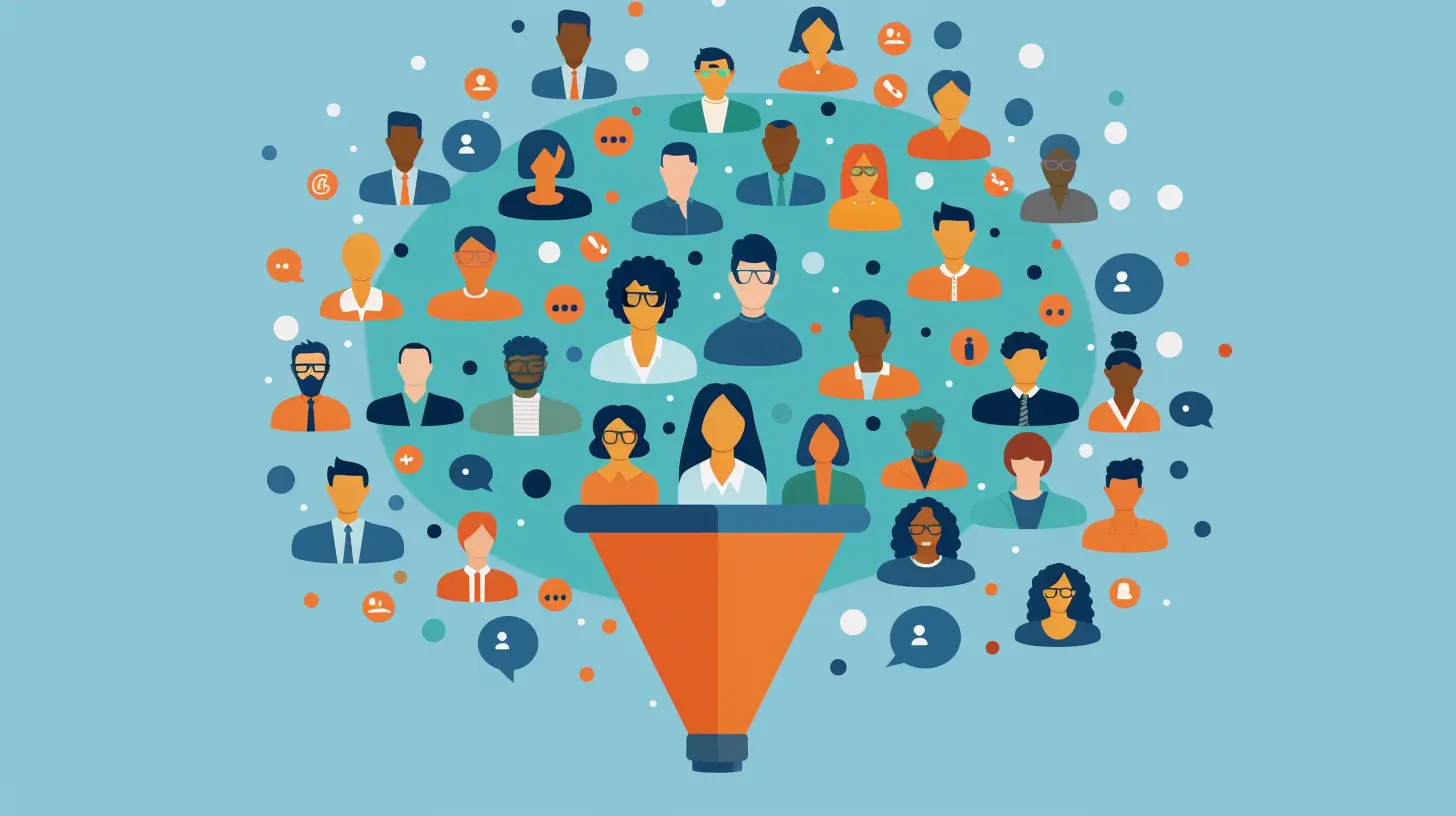
If you enjoy throwing money into the marketing void and hoping for the best, segmentation might not be for you. But if you’re a mere mortal looking for actual ROI, here’s why it matters:- Saves Money – Advertising to the wrong audience is like trying to sell snow blowers in the Sahara. Segmentation ensures your dollars don’t go to waste.
- Increases Engagement – When content is relevant to an audience, they are actually interested. Shocking, right?
- Boosts Conversions – The more tailored your message, the more likely people are to smash that "Buy Now" button.
- Improves Brand Perception – Nothing screams “we don’t get our audience” like a misaligned influencer partnership. (Looking at you, Kendall Jenner and that infamous soda commercial.)

Types of Influencer Audience Segmentation
Not all audience segments are created equal. Here are the main ways marketers break down an influencer’s following:1. Demographic Segmentation
This is the "Marketing 101" of segmentation. It categorizes audiences based on:- Age (Because a 45-year-old dad and a 17-year-old TikToker probably don’t have the same purchasing habits.)
- Gender (Not everything is unisex—razors, for example, have somehow convinced us they need to be pink to work for women.)
- Income Level (Luxury brands aren’t exactly targeting broke college students... or at least they shouldn’t be.)
- Education Level (Because let’s be honest, explaining quantum physics to a 5-year-old isn’t going to end well.)
2. Geographic Segmentation
If you’re selling winter coats, partnering with an influencer whose audience lives in Miami isn’t going to do much for you.- Country
- City
- Climate (Because nobody needs snow boots in the Bahamas.)
3. Psychographic Segmentation
This is where things get real. Instead of just looking at bland data, marketers dive into people’s emotions, values, and lifestyles.- Interests (Skincare lovers and car enthusiasts don’t shop the same way.)
- Beliefs & Values (A vegan influencer probably won’t be the best promoter for a steakhouse, just saying.)
- Hobbies (Gaming, fitness, fashion—different strokes for different folks.)
4. Behavioral Segmentation
This is based on how people actually act online, not just how they pretend to be.- Purchase History (Because past behavior is the biggest indicator of future behavior.)
- Engagement Patterns (How often do they like, comment, and share?)
- Loyalty Status (Would they sell their kidney for this brand, or are they just mildly interested?)
The Role of Data in Influencer Audience Segmentation
Now, unless you’ve got psychic powers, figuring out these segments isn’t just a guessing game. Brands rely on data—good, cold, hard data. Here’s where they get it:1. Social Media Analytics
Every major platform provides insights into audiences. Instagram, YouTube, TikTok—they all offer metrics on age, location, and engagement. (Because nothing says "power couple" like influencers and data.)2. Third-Party Tools
Hootsuite, Sprout Social, and other tools help dig deeper. If you thought marketers were just throwing darts at a board, think again.3. First-Party Data
Some influencers collect data through surveys or direct interactions with their audience. Yes, some influencers actually do their homework instead of just posting selfies.Common Mistakes in Influencer Audience Segmentation
Alright, let’s talk about what not to do when segmenting an audience. Because trust me, brands mess this up a lot.- Relying Solely on Follower Count – If an influencer has 1 million followers but only 2,000 are actually engaging, you’re paying for ghost town real estate.
- Ignoring Engagement Rates – A smaller, engaged audience will always outperform a massive, uninterested one.
- Overlooking Niche Markets – Micro-influencers with highly engaged niche audiences can sometimes drive better results than mega-influencers.
- Forgetting About Audience Overlap – If you work with 10 influencers who all have the same followers, you’re essentially spamming people. Congrats on becoming annoying.
The Future of Influencer Audience Segmentation
So what’s next? Are we going to start analyzing influencers' audiences using AI-powered crystal balls? Close, but not quite.- AI & Machine Learning – Machines are getting smarter, which means predicting audience behavior is becoming more accurate (and slightly terrifying).
- Smarter Audience Alignment – Brands will become more selective about the influencers they work with. No more random collaborations based on vibes alone.
- Hyper-Personalization – Campaigns will be tailored down to the finest detail. Think ads so specific it feels like they’re reading your mind. (Oh wait, they kind of already are.)
Final Thoughts: Is Influencer Audience Segmentation Worth It?
Short answer: absolutely. Long answer: unless you enjoy wasting money on completely irrelevant audiences, yes, it’s worth it.Audience segmentation is the difference between a marketing campaign that converts and one that disappears into the void of failed influencer partnerships. Brands need to stop thinking of influencers as one-size-fits-all solutions and start analyzing who their followers actually are.
Because at the end of the day, it’s not about the influencer—it’s about who’s listening. And trust me, if you don’t segment that audience properly, you’re basically just shouting into the digital abyss.
all images in this post were generated using AI tools
Category:
Influencer MarketingAuthor:

Miley Velez
Discussion
rate this article
1 comments
Ella Chapman
Audience segmentation can unlock new opportunities and drive meaningful connections in business.
June 16, 2026 at 4:51 AM
Miley Velez
Absolutely! Understanding your audience helps tailor messages and boosts engagement, making influencer partnerships even more effective.