The Environmental Benefits of Business Automation
25 March 2026
Let’s be honest for a second—when we hear “business automation,” most of us picture robots in suits, sipping coffee and replacing us at meetings (spoiler alert: they don’t even like coffee). But while the idea of machines taking over might be a sci-fi fan’s dream, real-world automation isn’t about turning offices into episodes of The Jetsons.
In fact, automation isn’t just about making businesses more efficient or saving time (although it does that beautifully)—it also comes with some seriously cool environmental perks. Yep, you read that right. While your CRM system is sending out those client emails on autopilot, it might also be giving Mother Earth a much-needed high five.
So, grab your favorite cup of eco-friendly brew and let's dive into the surprisingly green world of business automation.
What Is Business Automation Anyway?
Before we dive into the leafy-green benefits, let’s define our terms (without sounding too much like a textbook, promise).Business automation is the use of technology (like software systems, AI, machine learning, and sometimes good old-fashioned robots) to perform daily, repetitive tasks that used to suck up time and manpower. Think data entry, scheduling, invoicing, inventory management, and more—all done faster, more accurately, and with zero coffee breaks.
Now, you may be wondering: “Okay, that sounds helpful, but what’s that got to do with the environment?”
Buckle up, friend. We're about to connect the dots.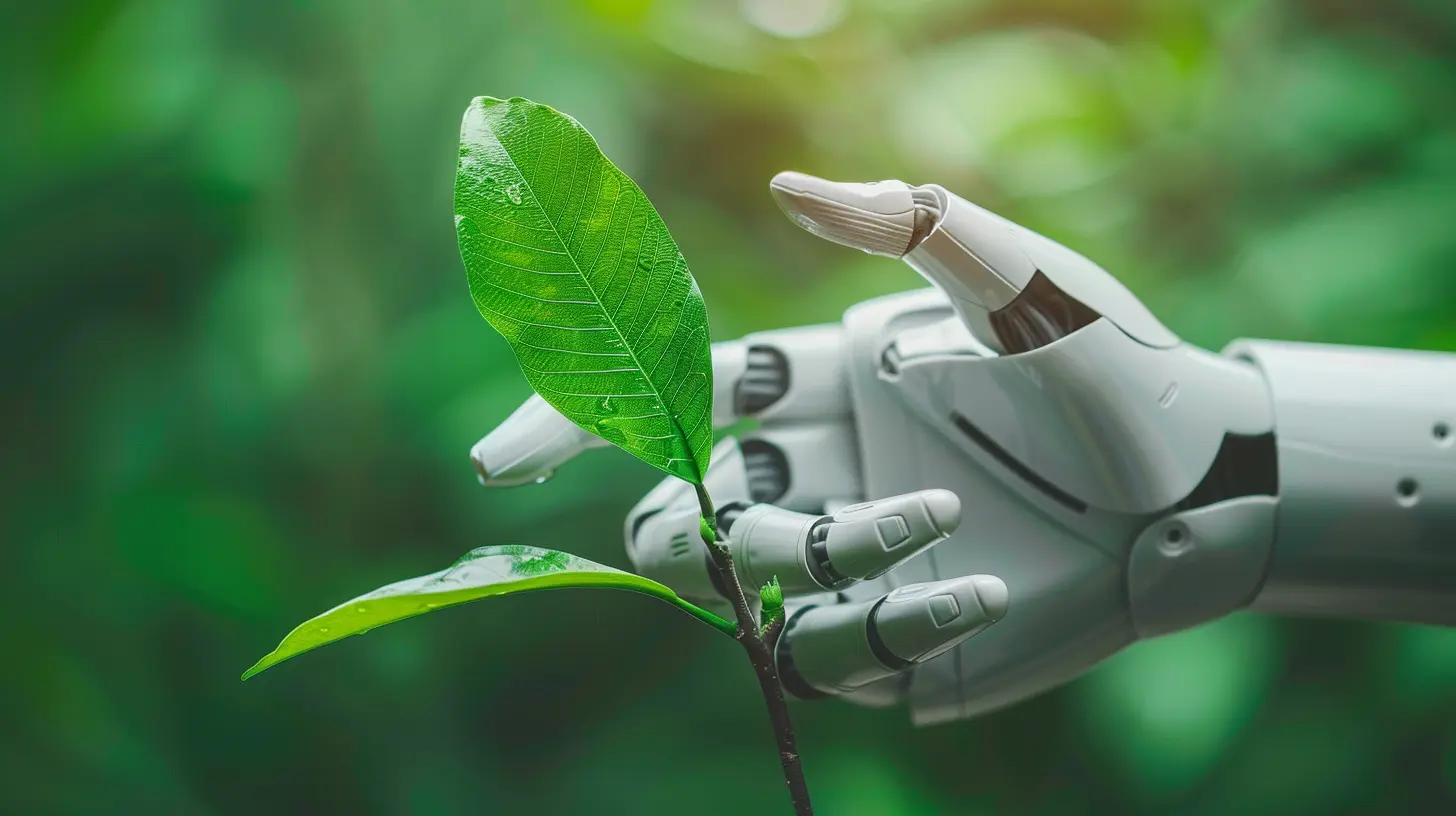
1. Less Paper, More Trees (Can We Get a Hallelujah?)
Remember the scene in every 90s office movie where someone’s drowning in paper files? Yeah, times have changed. Thanks to automation, companies are ditching the paper trail faster than you can say “deforestation.”How automation helps:
- Digital documents replace printed ones: Contracts, invoices, memos, receipts—all processed and stored digitally.- Automated record-keeping: No need to print reports when your system can generate, send, and store them automatically.
- Cloud-based storage: Reduces the need for physical archives (and the air conditioning to keep them cool).
🌳 Translation: Fewer trees chopped down for paper, less energy wasted storing it, and more space for squirrels to roam free. The forests say thanks.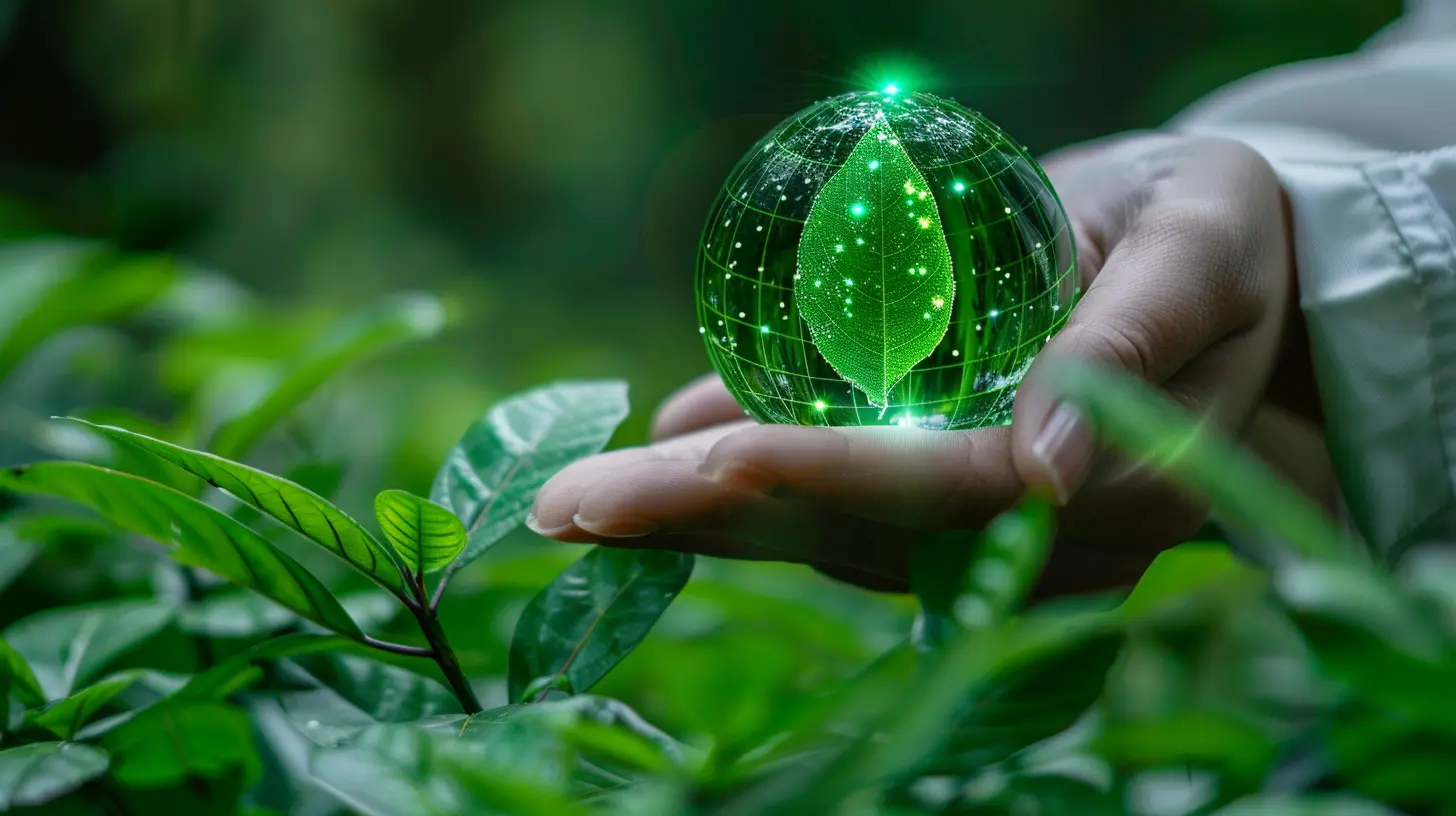
2. Cutting Down On Energy Waste (Because the Planet Is Not Your Frat House)
Let’s talk about energy. No, not your personal vibes—we’re talking kilowatt-hours. Offices are notorious energy hogs, especially when people leave lights on like it’s a Christmas party and computers humming 24/7 like they’re auditioning for a sleep apnea trial.Here’s where automation steps in like a tech-savvy superhero:
- Smart scheduling: Automated systems can power down unused equipment after hours.- IoT-enabled devices: These bad boys monitor and optimize energy usage in real-time.
- Climate control automation: Heating and cooling systems that adjust based on occupancy and weather conditions—because no one needs an arctic blast at 8 AM.
🎯 Result? Businesses use energy only when they need it. The grid breathes a sigh of relief. 🌍
3. Reducing Commuting (Adios, Office Traffic Jams)
Let’s face it—commuting is the worst. Traffic jams, honking horns, and the constant existential pondering of “Why do I do this every morning?” Not to mention the fact that cars are spewing out CO2 like it’s going out of style.Automation is driving a shift to remote and hybrid work:
- Automated workflows: Keep things running smoothly from anywhere.- Cloud collaboration tools: Make it easy for teams to work together without being in the same room.
- Virtual meeting schedulers: Bye-bye, awkward “When’s good for you?” email threads.
🚗💨 Fewer people commuting = less gasoline burned = cleaner air. Mother Nature does a little happy dance. Go ahead, picture it.
4. Smarter Supply Chains, Happier Planet
You know how frustrating it is when your online order takes three weeks—and then arrives in a comically oversized box with 14 pounds of bubble wrap?Yeah, that’s supply chain inefficiency in action.
Automation sharpens things up like a samurai sword:
- Real-time inventory tracking: Automatically orders just the right amount of stock.- Route optimization: GPS-enabled logistics systems reduce delivery mileage.
- Predictive analytics: Prevent overproduction and reduce waste.
📦 Less useless shipping. Less packaging waste. Fewer trucks on the road. Boom—your next pair of eco sneakers doesn’t come at the expense of another tree.
5. Bye-Bye, Busywork (Hello, Brainpower!)
Let’s be real: nobody grows up dreaming of data entry. Automation kicks repetitive tasks to the curb, freeing up humans to focus on, well, more human things—like innovation, creativity, or finally clearing out their inbox.But where’s the eco-benefit?
Glad you asked:
- Less time in large, energy-hungry office spaces- More flexibility to work remotely or in shared spaces
- Reduced employee burnout = fewer resources spent on frequent turnover
⚡️ A leaner, happier, more sustainable workforce. Now that deserves a TikTok-worthy slow clap.
6. Automated Reporting: The Secret Weapon for Sustainability Tracking
Sustainability is sexy right now (and rightly so). But tracking carbon emissions, energy usage, and waste reduction? Not exactly the stuff of rom-coms.Here’s where automation shines like a solar panel on a sunny Tuesday.
Reporting tools can:
- Automatically collect and analyze environmental data- Generate sustainability reports for regulators or stakeholders
- Identify opportunities for further environmental improvements
Think of it as having a green watchdog in your system—except it doesn’t bark or eat your shoes.
7. Remote Monitoring = Fewer Site Visits
Old-school maintenance meant driving from site to site, clipboard in hand, checking on machines like your uncle checks if the grill’s hot enough.Now?
Enter automation and remote diagnostics:
- IoT sensors detect issues in real-time- Maintenance teams only get dispatched when something needs real attention
- Fewer “just checking” visits = fewer miles driven, less fuel burned
🛠️ It’s like having a mechanic inside the machine whispering, “Hey, I need a tune-up.”
8. Encouraging a Culture of Efficiency
This one’s a bit more abstract but no less powerful.Automation inherently encourages businesses to question: “Is there a better, more efficient way to do this?”
That mindset doesn’t just apply to tasks—it begins to ripple outwards like a stone in a pond:
🌿 Can we reduce waste?
🌿 Can we design processes that are cleaner and greener?
🌿 Can sustainability be profitable?
Spoiler alert: Yes, yes, and oh boy, yes.
Is Automation a Silver Bullet for the Environment?
Okay, let’s pump the brakes for a sec. Automation isn’t some magical eco-fairy that fixes everything overnight. Technology still consumes resources. Cloud servers still need power. And yes, there’s still a carbon footprint involved in setting it all up.But here’s the key difference: Automation helps us do more with way less.
It’s not a cure-all. It’s a tool. A very shiny, powerful tool—like Thor’s hammer, but for business processes.
How Small Businesses Can Get In on the Action
If you're a small business owner reading this and thinking, “Well, that’s great for big companies with big bucks,” don’t worry. Automation isn’t just for Goliath—David’s got options too.Here are a few baby steps with a big eco-impact:
- Automated email tools (no more printing newsletters!)
- Cloud accounting apps (paperless invoices FTW)
- Project management software (bye bye, sticky notes)
- Smart thermostats in your workspace
You don’t have to automate everything overnight. Just start with the stuff that’ll save you time, money, and a few trees.
Let's Recap With a Green Ribbon
Business automation isn’t just about cost-cutting or boosting productivity—it’s also a quiet eco-warrior making a serious impact on the planet.✅ Less paper use.
✅ Lower energy consumption.
✅ Fewer commuter emissions.
✅ Smarter logistics.
✅ More efficient resource usage.
All while freeing up humans to do what we do best—think, create, connect, and occasionally panic over deadlines.
So, next time someone tells you automation is going to destroy the world, you can confidently say, “Actually, it might just help save it.”
🎤 *Mic drop (but gently, we’re going green here).
all images in this post were generated using AI tools
Category:
Business AutomationAuthor:

Miley Velez
Discussion
rate this article
2 comments
Faye Bennett
Embracing business automation not only enhances efficiency but also significantly reduces waste and energy consumption, making it a smart choice for sustainability and a greener future.
May 5, 2026 at 2:45 AM
Miley Velez
You're absolutely right! Business automation is a key player in driving sustainability and minimizing resource waste. It's a win for both efficiency and the environment.
Lisette McLaury
Automation isn’t just about efficiency; it’s a green revolution in disguise. By cutting waste and energy use, businesses can boost profits while paving the way for a sustainable future.
March 26, 2026 at 3:41 AM
Miley Velez
Absolutely! Automation not only enhances efficiency but also significantly reduces waste and energy consumption, driving both profitability and sustainability.