PR and Event Planning: How to Maximize Coverage and Engagement
3 February 2026
Pulling off a successful event takes more than slick decor and champagne flutes. You can have the most epic corporate gala or product launch in history—but if nobody’s talking about it, does it even count? That’s where the powerful duo of public relations (PR) and event planning come into play. Together, they’re like the dynamic Batman and Robin of brand visibility. The secret sauce? Knowing how to blend strategy with creativity to not only run a smooth event but to also maximize your coverage and engagement while you're at it.
Let’s break this all down and walk through how you can turn your next event into a PR goldmine that actually gets people buzzing—both online and offline.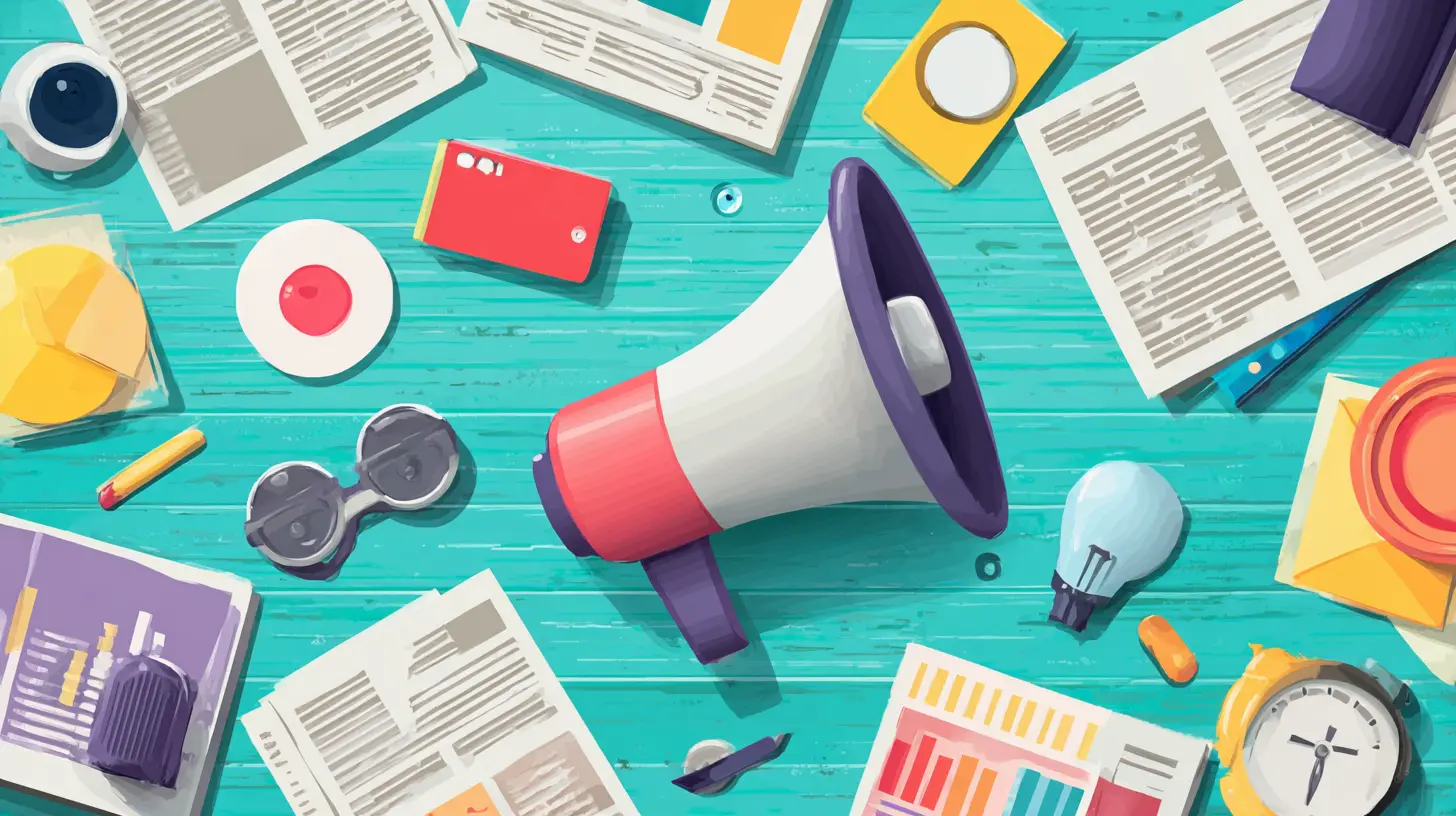
Why PR and Event Planning Should Always Work Hand-in-Hand
You’ve probably seen it before: an event with dazzling lights, a curated guest list, and maybe even a celebrity appearance. Sounds great, right? But if there’s no press, no influencers posting about it, and no follow-up stories in the media, then the event might fall flat in terms of ROI. That’s a missed opportunity.PR is the megaphone for your event. It gets the word out, builds anticipation, draws in media, and ensures your event lives on long after the lights go out.
On the flip side, event planning is the skeleton. It’s the logistics, the venue, the experience, the flow—everything that helps your brand shine in the real world.
So, separating the two? That’s like building a beautiful amusement park and forgetting to tell anyone it exists. Not ideal, right?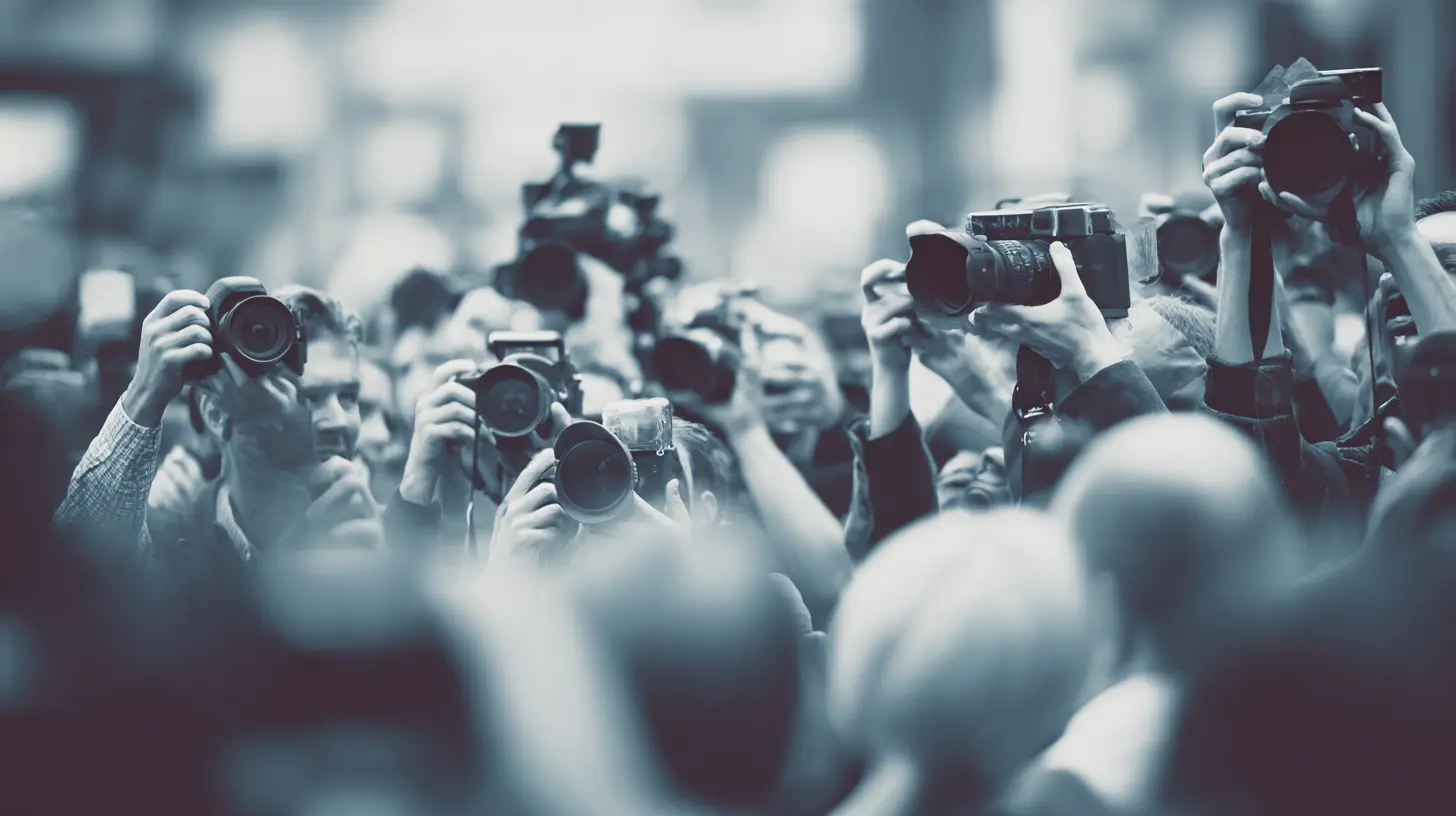
Begin With a Clear PR Strategy
Before the first email invite goes out or the first canapé is ordered, stop. Take a breath. Ask yourself: _What’s the goal here?_ Are you seeking press coverage? Raising brand awareness? Trying to showcase industry thought leadership?Every event needs a 'why.' That “why” becomes the north star for both your PR and event planning efforts.
Here’s what you need in your initial strategy:
- Target audience: Who are you trying to reach?
- Key messages: What do you want people to say about the event?
- Channels of communication: Will you focus on traditional PR (TV, newspapers, magazines), digital media (blogs, podcasts), or both?
- KPIs: How will you measure success? Media mentions? Social media reach? Attendee feedback?
Pro tip: Create a PR calendar that aligns with your event timeline, so nothing slips through the cracks.
Get the Media Involved (Early and Often)
If you wait until the day of the event to call a reporter, you’ve already lost.Media relations is all about relationships and timing. You want journalists, bloggers, and influencers to be excited about your event—and that takes some work ahead of time.
How to Reel in the Media:
- Build a strong media list: Tailor it to your niche. Personalize your pitches. Don’t blast a generic email to 300 people.- Send out a killer press release: Make it punchy, relevant, and newsworthy. Think of what makes this event different.
- Offer exclusive angles: Give journalists a reason to attend. Maybe it’s a one-on-one with the CEO, backstage access, or a sneak peek.
- Create a media kit: Include bios, high-res images, press releases, brand background info—everything they need to tell a compelling story without chasing you down for details.
Still with me? Good. Now let’s talk content.
Build Pre-Event Buzz Like a Pro
Anticipation is a powerful thing. You want people to look forward to your event the same way they wait for the next season of their favorite Netflix show.Here are some ways to build that buzz:
- Start early on social media: Use teasers, countdowns, behind-the-scenes videos, and 'save the date' posts.- Leverage email marketing: Keep your registrants hyped with updates and sneak peeks.
- Use hashtags: Create a unique hashtag for your event and start promoting it ahead of time.
- Partner with influencers and speakers: Have them post about the event with trackable links or promo codes.
- Engage your community: Polls, giveaways, Q&As—anything interactive boosts excitement.
Remember: You’re not just filling seats; you’re filling the conversation around your brand.
Make the Event Media-Friendly
Now let’s talk about the event itself. You’ve got journalists in the room. You’ve got influencers snapping selfies. This is your brand’s moment to shine, so make sure it’s media-ready.Checklist for a PR-Optimized Event:
- Design a branded welcome area: Perfect for media photos and video backdrops.- Offer media seating and access: VIP areas, press booths, or even a media lounge. Make them feel valued.
- Have a spokesperson available: Someone well-spoken and trained to represent the brand on camera and in interviews.
- Provide real-time updates: Have someone live-tweeting, doing Instagram Stories, or even hosting a live stream.
- Deliver value through content: Whether it’s a keynote, launch announcement, or panel discussion, make sure there’s something worth quoting.
If media walks away with nothing to write about, then we’ve got a problem.
Don’t Sleep on Post-Event PR
Think your job’s done once the last guest walks out with a goodie bag? Think again.Post-event PR is where the magic continues:
- Send a post-event press release: Recap the highlights, key takeaways, and important announcements.- Share a media photo gallery: Make it easy for outlets to grab images and publish stories.
- Repurpose content: Turn speeches into blog posts, create highlight reels, share photo albums on social media.
- Thank your media contacts: Follow up with a thank-you note and future collaboration ideas. Relationship-building never stops.
- Gather data: Media mentions, social impressions, website traffic—track everything.
The event might be over, but the narrative lives on. Keep telling the story.
Leverage Social Media for Engagement and Reach
Want engagement levels to skyrocket? Social media is your rocket fuel. But don’t just post for the sake of it. Strategize like a content boss.Before the Event:
- Tease big announcements- Introduce speakers or performers
- Launch an event countdown
- Run contests or ticket giveaways
During the Event:
- Use Stories and Live features to bring people into the moment- Share user-generated content
- Give shoutouts to partners and sponsors
After the Event:
- Highlight speaker quotes- Share stats and wins (like “2,000+ attendees!” or “10K social impressions in one night”)
- Keep the hashtag alive with throwbacks or testimonials
Engagement isn’t just about likes—it’s about interest, loyalty, and conversation.
Use Technology to Your Advantage
PR and event planning in 2024 are nothing without a tech boost. The tools you use can seriously level up how efficiently and effectively you operate.Must-Have Tools:
- Social listening platforms: Tools like Mention, Hootsuite, or Sprout Social let you track mentions in real-time.- Media databases: Cision, Muck Rack, or Meltwater help with list-building and press outreach.
- Event management platforms: Eventbrite, Bizzabo, or Splash offer guest list tracking, check-ins, and data collection.
- Analytics tools: Google Analytics, HubSpot, or custom dashboards show the actual impact of your campaign.
When used wisely, tech doesn’t complicate things—it streamlines everything, freeing you up to focus on creativity and connections.
ROI: Show Your Impact
At the end of the day, the C-suite wants to know one thing: _Was it worth it?_So, how do you prove it? With numbers, testimonials, media coverage, and engagement stats.
What to Track and Report:
- Number of attendees or participants (virtual or in-person)- Media mentions and press hits
- Social media reach, shares, likes, and engagement
- Email open and click-through rates
- Lead generation or sales conversions
- Website traffic spikes
- Influencer collaboration performance
Use visuals (charts, infographics, graphs) to present this data in a way that tells a clear and compelling story.
Common Pitfalls (And How to Dodge Them)
Even seasoned pros mess up from time to time. Knowing what to watch for can save your reputation—and your budget.Don’t make these mistakes:
- Last-minute press pitching: Journalists need time. Plan ahead.- Ignoring your online presence: If your website and socials don’t match the event buzz, credibility takes a hit.
- Lack of follow-up: One email blast isn’t enough. Persistence is key.
- Overloading the agenda: People get overwhelmed. Value quality over quantity.
And most importantly: don’t forget the audience experience. If the event is all flash and no substance, people will notice.
Final Thoughts
The truth is, PR and event planning aren’t just two separate departments—they’re two sides of the same coin. When they align perfectly, you build more than just hype—you build real, lasting brand momentum. Mastering this balance is how you move from just “throwing an event” to creating something truly newsworthy and engaging.Put people at the center, keep your messaging clear, and always think five steps ahead. That, right there, is how coverage and engagement go through the roof.
Let your next event be more than just an occasion—let it be a moment people can’t stop talking about.
all images in this post were generated using AI tools
Category:
Public RelationsAuthor:

Miley Velez
Discussion
rate this article
2 comments
Winona Sanders
This article sparks my curiosity! How can innovative PR strategies and unique event planning techniques create a deeper connection with audiences? I'm eager to explore the best practices for maximizing coverage and engagement. Great insights await!
March 31, 2026 at 4:39 AM
Miley Velez
I'm glad to hear you're curious! Innovative PR strategies and unique event planning can foster genuine connections by engaging audiences in meaningful ways. Focus on storytelling, interactive experiences, and leveraging social media for broader reach. Exciting insights are definitely on the way!
Jet Kane
Maximizing media coverage isn’t just about sending invites; it’s about crafting compelling narratives that resonate. Engage your audience before, during, and after the event to transform fleeting moments into lasting impressions.
February 8, 2026 at 12:56 PM
Miley Velez
Absolutely! Crafting compelling narratives and engaging your audience throughout the event lifecycle is key to creating lasting impressions and maximizing media coverage. Thank you for highlighting this important aspect!