Overcoming Bias and Stereotypes in Leadership Roles
24 February 2026
Let’s be honest—when you hear the word “leader,” what’s the first image that pops into your head?
Chances are, it’s probably not a young woman of color, someone with a disability, or a person from a traditionally underrepresented background. That's not your fault. We’ve all grown up seeing a pretty narrow picture of what a “leader” supposedly looks like. And it’s time to change the narrative.
In this article, we’re going to roll up our sleeves and talk about one of the biggest roadblocks in professional growth—bias and stereotypes in leadership roles. Why do they exist? How do they persist? And more importantly, how can we overcome them?
Ready? Let’s dive in.
What Are Bias and Stereotypes in Leadership?
Let’s break it down. Bias is like a mental shortcut our brain takes when it makes assumptions about someone based on limited information. It might be implicit (meaning we don’t realize we’re doing it), or it can be glaringly obvious.Stereotypes, on the other hand, are like labels we stick on people. "She’s too emotional to lead." "He doesn’t seem confident enough." "They don’t look like a typical CEO." Sound familiar? These lazy labels are the building blocks of bias.
And in leadership, these issues show up almost everywhere—from hiring and promotions to boardroom dynamics and even how leaders are perceived by their teams.
Why Bias in Leadership Matters—A Lot
Ever heard the phrase “The fish rots from the head down”? In other words, leadership sets the tone. So if the top of the pyramid is built on bias, the entire organization feels the ripple.Here’s what bias and stereotypes actually cost businesses:
- Missed talent: Amazing potential brushed aside because it didn’t “look” right.
- Low morale: Team members feeling ignored or typecast don’t stick around.
- Weak decision-making: Homogeneous leadership leads to groupthink, not innovation.
- Public backlash: In today’s world, lack of diversity and bias can turn into PR nightmares fast.
Pretty expensive mistake, right?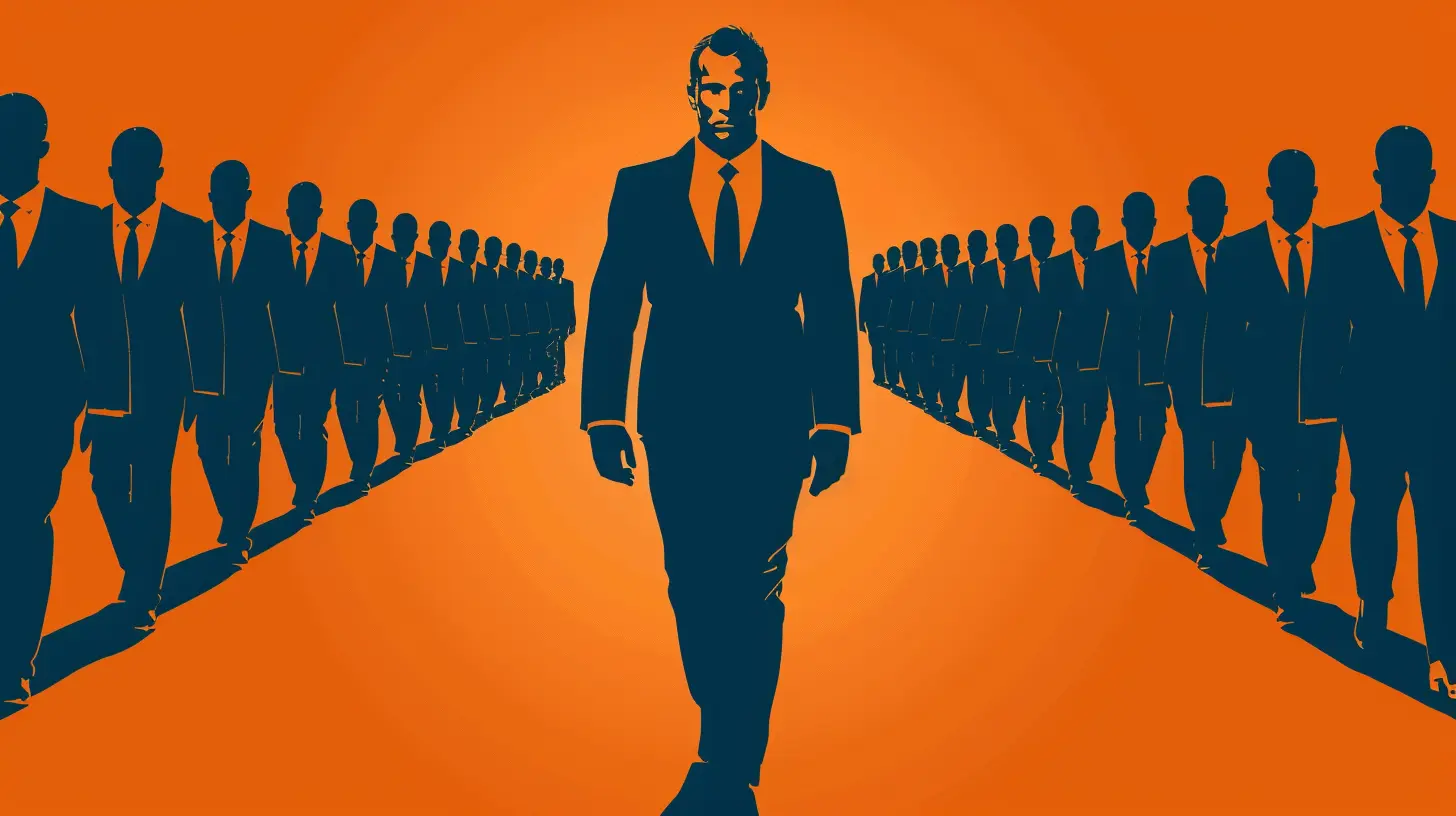
The Many Faces of Bias in the Workplace
Before we figure out how to fix it, we need to know what we’re dealing with. Bias isn’t always someone saying something outright offensive. Sometimes it’s subtle—so subtle it hides in plain sight.1. Implicit Bias
Also known as unconscious bias. This is the stuff we don’t even realize we’re doing. Like assuming someone who's introverted wouldn’t make a good leader. Or thinking a woman is less committed to her career because she has kids.2. Affinity Bias
We like people who are like us, right? That’s human nature. But in leadership selection, it often means choosing candidates who think, act, or look like the current leaders—perpetuating the same mold.3. Confirmation Bias
When we have a preconceived idea about someone, we tend to only notice the things that confirm it. “She’s too quiet to lead”—and suddenly every quiet moment becomes proof.4. Stereotype Threat
This one’s a little different. It’s when people underperform because they’re worried about confirming a negative stereotype. Think of a woman in a male-dominated boardroom second-guessing her input because she doesn’t want to be seen as “bossy.”
Common Stereotypes That Hold Leaders Back
Here’s a quick snapshot of harmful stereotypes that still haunt leadership ecosystems:- Women are too emotional.
- Men should be assertive, not empathetic.
- Young people lack experience.
- Older workers are out of touch.
- People with accents aren’t polished communicators.
- People of color are too “divisive” to lead.
- LGBTQ+ professionals are too risky for “traditional” stakeholders.
These are not just offensive—they’re outdated and flat out wrong.
How Bias Affects Leadership Opportunities
Let's look at how these stereotypes play out in real situations:Hiring
Who gets the job? Often, it's the person who fits the "leader stereotype"—even if someone else was more qualified.Promotion
Ever noticed how some get promoted for potential while others have to prove themselves ten times over just to be considered?Performance Reviews
Bias can sneak into the feedback process, with women being critiqued on tone and style while men are praised for “decisive leadership.”Leadership Style Perception
A man who leads with empathy is a “strong communicator,” while a woman doing the same may be seen as “too soft.”See the double standards?
Strategies to Overcome Bias in Leadership Roles
Okay, so we've aired the dirty laundry. Now let’s clean it up. Tackling bias in leadership isn't a one-time fix. It requires conscious, consistent effort.1. Self-Awareness Is Step One
Before you can change the system, you have to examine yourself. Take implicit bias tests. Reflect on who you tend to favor or overlook. The more honest you are, the more powerful your impact can be.2. Make Leadership Development Inclusive
Companies need to stop designing leadership programs with just one “type” of leader in mind. Train, mentor, and promote people from a variety of backgrounds and styles.3. Revamp Hiring and Promotion Processes
Use structured interviews. Diversify your hiring panels. Remove names from résumés if you must. Focus on skills, not just “vibes.”4. Sponsor, Don’t Just Mentor
Mentorship is great, but sponsorship is better. A sponsor advocates for someone’s promotion behind closed doors—it’s active support. And underrepresented employees need more of it.5. Normalize Diverse Leadership Styles
Not every leader needs to be a loud, dominant powerhouse. Leadership can look like listening, collaboration, and quiet resilience. Let’s open the stage for that.6. Provide Bias Training—But Go Deeper
Training is helpful, but it’s not a magic bullet. Pair it with accountability, policy changes, and regular audits.7. Measure What Matters
Track who is getting promoted. Who’s leading high-visibility projects? Who’s being left behind? You can’t fix what you don’t measure.Leading By Example: Real-Life Role Models
Want to know what overcoming bias looks like in action? Let’s give a shoutout to a few leaders who’ve shattered stereotypes:- Indra Nooyi, former CEO of PepsiCo, brought empathy and diversity to global leadership.
- Tim Cook, Apple’s CEO, openly embraces his identity and focuses on inclusion.
- Barack Obama, the first Black U.S. President, redefined what a leader can look like on the world stage.
- Rosalind Brewer, one of the few Black women CEOs of a Fortune 500 company, proves that representation matters.
If they can break the mold, so can others. But first, the system has to let them in.
What Can You Do As an Individual?
You don’t need to be a CEO to start leading change. Whether you’re a junior employee or a department head, here’s how you can chip away at bias every day:- Speak up when you see unfair patterns.
- Advocate for inclusive decisions.
- Check your own assumptions regularly.
- Invite different perspectives into the conversation.
- Support and uplift talent with potential others might overlook.
Remember, the goal is not charity—it’s fairness.
Final Thoughts: Bias Doesn’t Belong in Leadership
Here’s the truth: Leadership isn’t a one-size-fits-all role.Great leaders come in all shapes, sizes, colors, ages, and personalities. The faster we let go of our outdated checklists, the sooner we’ll unlock innovation, loyalty, and performance at every level.
Overcoming bias and stereotypes in leadership isn’t just a feel-good initiative. It’s smart business. It’s strategic growth. And above all, it’s the right thing to do.
So, let’s rewrite the rulebook—and start promoting potential over perception. Sound good?
all images in this post were generated using AI tools
Category:
Business LeadershipAuthor:

Miley Velez
Discussion
rate this article
2 comments
Trevor Howard
This article sheds light on an essential topic! I'm intrigued by how leaders can foster inclusivity and challenge biases in their organizations.
April 14, 2026 at 4:56 AM
Miley Velez
Thank you for your thoughtful comment! I'm glad you found the article engaging and relevant to fostering inclusivity in leadership.
Lilith Hodge
This article highlights the critical need to address bias and stereotypes in leadership. By fostering diverse perspectives and promoting inclusive practices, organizations can enhance innovation and drive success in their teams.
February 24, 2026 at 3:22 AM
Miley Velez
Thank you for your insightful comment! I completely agree—embracing diversity and inclusivity is essential for driving innovation and success in leadership.