How to Use Data and Analytics in Business Planning
24 May 2026
Introduction
In today's fast-paced digital world, data is the new gold. Every business—big or small—runs on data. But collecting data is just the beginning; the real magic happens when you harness it effectively for business planning.
If you're not using data-driven strategies, you're basically navigating blindfolded. So, how can you make data and analytics a game-changer for your business? Let’s break it down in simple, actionable steps. 
Why Data and Analytics Matter in Business Planning
Think about it—every successful business decision stems from reliable information. Every time you decide on a marketing campaign, set prices, or target a new audience, data should guide the way. Here’s why:- Better Decision-Making – Data removes guesswork and provides solid insights.
- Improved Efficiency – Businesses can streamline operations based on trends and analytics.
- Competitive Advantage – Understanding market trends keeps you ahead of competitors.
- Risk Reduction – Identifying potential risks before they become major issues.
Simply put, data turns intuition into intelligence. 
Step 1: Identify the Right Data Sources
Before you start crunching numbers, you need to know where to find them. Not all data is useful, and gathering the wrong data can lead you down the wrong path. Here are some key sources you should focus on:1. Internal Sources
- Sales reports- Website traffic analytics
- Customer feedback
- Inventory data
- Employee performance metrics
2. External Sources
- Market research reports- Social media trends
- Competitor analysis
- Industry news and government databases
The trick is to blend both internal and external data to get a full-picture analysis. 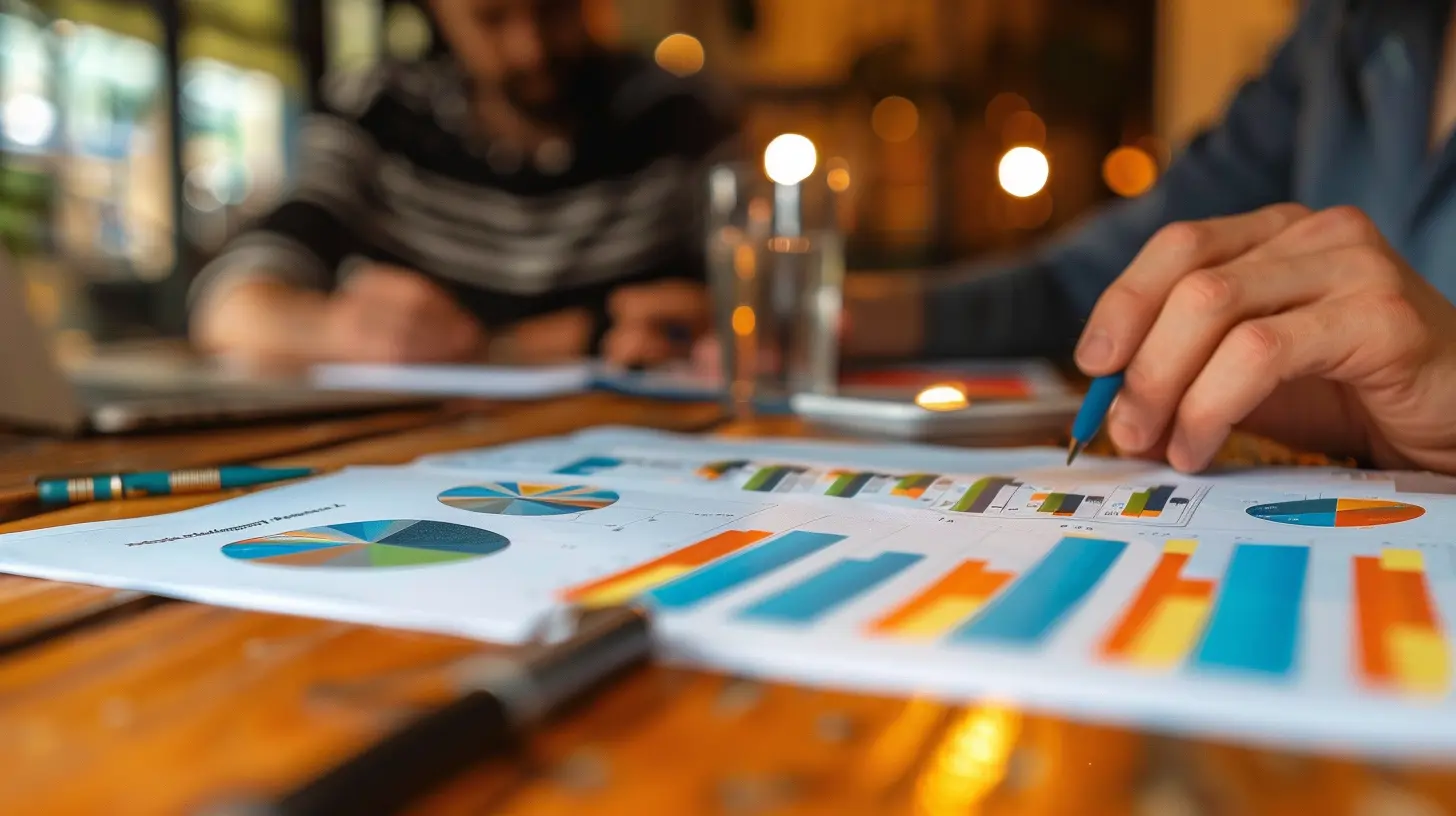
Step 2: Organize and Clean Your Data
Raw data is messy. You’ll often deal with incomplete, outdated, or incorrect information. Before making business decisions, ensure your data is:- Up-to-date – Old data leads to poor decisions.
- Accurate – Always verify data sources.
- Relevant – Keep only data that aligns with business goals.
Using data management tools like Excel, Google Sheets, or specialized software like Tableau can help keep everything organized. 
Step 3: Analyze Trends and Patterns
Once your data is clean and structured, it’s time to dive into analytics. But what should you be looking for?- Customer Behavior – What do your customers buy the most? When do they engage with your brand?
- Sales Trends – Which products or services are performing well?
- Market Shifts – Are there seasonal patterns that affect your business?
- Operational Efficiencies – Where can you cut costs without sacrificing quality?
By analyzing trends, you can predict future outcomes and make proactive decisions instead of reactive ones.
Step 4: Use Predictive Analytics for Forecasting
What if you could predict your business's future? With predictive analytics, you can get pretty close!Predictive analytics uses historical data and AI algorithms to forecast trends. Some common methods include:
- Regression Analysis – Predicts relationships between variables (e.g., how marketing spend affects sales).
- Time Series Analysis – Helps in forecasting future sales based on past trends.
- Machine Learning Models – AI-driven tools that analyze massive datasets for deeper insights.
By applying predictive analytics, businesses can anticipate demand, reduce risks, and optimize strategies.
Step 5: Leverage Data Visualization
Numbers alone can be overwhelming. That’s where data visualization comes in.Instead of staring at spreadsheets, use:
- Charts: Line charts for trends, bar charts for comparisons.
- Graphs: Pie charts for proportions, scatter plots for correlations.
- Dashboards: Tools like Google Data Studio or Power BI for real-time data tracking.
A well-visualized dataset makes insights crystal clear.
Step 6: Apply Data-Driven Decision-Making
Here comes the fun part—actually using your data insights to make business decisions. A data-driven approach ensures every move is strategic and backed by facts.For example:
- Marketing: Use customer analytics to personalize ads and improve ROI.
- Operations: Optimize supply chains by monitoring demand trends.
- Product Development: Analyze user feedback to improve products/services.
Data-driven decisions increase efficiency, reduce waste, and enhance customer satisfaction.
Step 7: Monitor and Adjust Strategies
Data analysis isn’t a one-time event; it’s an ongoing process. Business trends, customer preferences, and market dynamics are constantly changing.Regularly reviewing your analytics helps you:
- Spot new opportunities
- Identify weak areas
- Adapt to market changes faster
Make it a habit to track performance metrics weekly or monthly.
Best Tools for Data Analytics in Business Planning
If you’re serious about using data and analytics, you need the right tools. Here are some of the best ones:1. Google Analytics
Perfect for tracking website traffic, user behavior, and engagement metrics.2. Microsoft Power BI
Great for creating interactive dashboards and reports.3. Tableau
One of the most powerful data visualization tools available.4. HubSpot CRM
A must-have for businesses looking to streamline customer data.5. SEMrush
Ideal for digital marketing analytics and competitive research.Choosing the right tool depends on your business needs and budget.
Common Mistakes to Avoid
Even with the right approach, mistakes can happen. Here are some common pitfalls to watch out for:- Ignoring Data Quality – Bad data = bad decisions. Always verify sources.
- Overcomplicating Metrics – Track only the most relevant KPIs (key performance indicators).
- Not Taking Action – Data without action is useless. Apply insights promptly.
- Failing to Update Data Regularly – Outdated data leads to poor planning.
Avoiding these mistakes will ensure your data strategy remains effective.
Conclusion
Data and analytics are no longer optional in business—they’re essential. Whether you're a small startup or a big corporation, making informed decisions can be the difference between success and failure.By collecting the right data, organizing it effectively, analyzing trends, and applying insights, you can craft a business strategy that’s not only smart but also sustainable.
So, are you ready to let data guide your next big business move? Start implementing these steps today, and watch your business thrive!
all images in this post were generated using AI tools
Category:
Business PlanningAuthor:

Miley Velez
Discussion
rate this article
1 comments
Erica McElhinney
Harnessing data and analytics can transform business planning. Embrace insights to drive decisions, improve strategies, and unlock potential. Small steps today can lead to significant growth tomorrow... stay curious!
May 31, 2026 at 3:53 AM
Miley Velez
Absolutely, embracing data is key. Small insights can indeed lead to major breakthroughs. Staying curious will always fuel growth. Thanks for the reminder!