How to Make Your Product Launch Eco-Friendly and Sustainable
2 July 2026
Launching a new product is always exciting, right? All the months (sometimes years) of brainstorming, planning, and tweaking finally come to life. But let’s be honest—product launches can leave behind a trail of waste, excess packaging, and carbon emissions if we don't plan them thoughtfully.
So here’s the big question: How do you launch your shiny new product without leaving a not-so-shiny carbon footprint behind?
Good news! Making your product launch eco-friendly and sustainable isn’t just doable—it can actually give your brand a serious edge. Consumers today care about the planet, and when you show that you do too, they'll take notice.
Pull up a seat, grab your favorite drink, and let’s dive into how you can make your product launch not just successful—but sustainable too.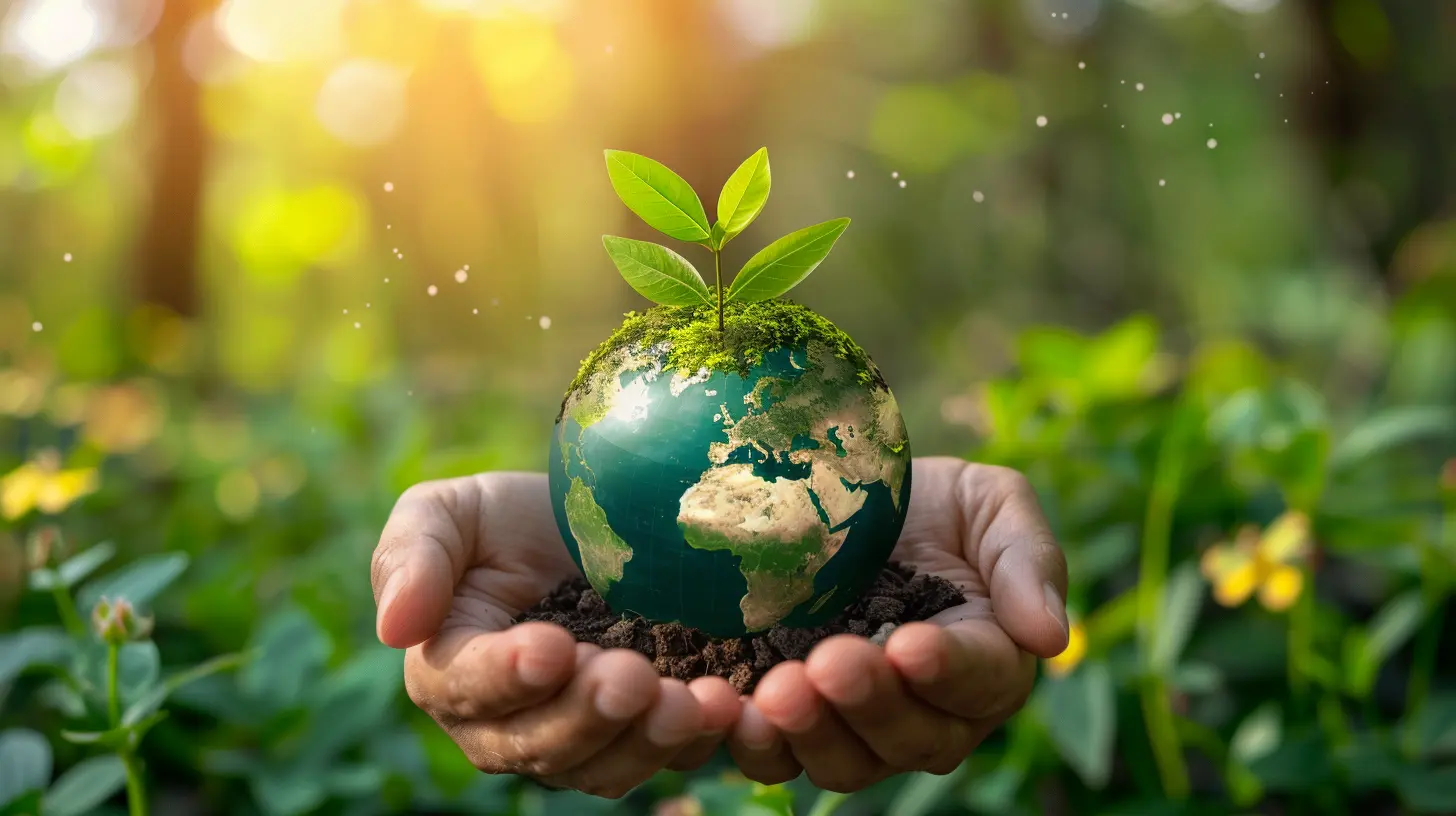
Why Eco-Friendly Product Launches Matter
Before we get into the “how,” let's chat about the “why.”In a world where climate change and waste are pressing issues, consumers are getting pickier. They want brands that walk the talk. A sustainable product launch sends a message: "We care—not just about profits, but about people and the planet."
? It’s not just good ethics—it’s smart business.
It builds trust, enhances brand loyalty, and sets you apart from the competition. Plus, it’s about doing the right thing. That never goes out of style.
Step 1: Start With a Sustainable Mindset
This may sound obvious, but sustainability starts in your head—not your production line.Before you even print your first flyer or order your first prototype, sit down with your team and ask:
- What’s our environmental impact going to be?
- Can we reduce waste in our process?
- What are the long-term effects of our choices?
Think of sustainability as your North Star—not an afterthought. When eco-friendliness is baked into your launch from the get-go, it becomes second nature.
Step 2: Design Eco-Conscious Products
You can't have a green launch without a green product.Start by making sure the product itself is as eco-friendly as possible. Here’s what to consider:
- Materials: Can you use recycled, biodegradable, or renewable materials?
- Durability: Is the product built to last, or is it headed for the landfill in six months?
- Energy Efficiency: If it's electronic, how much power does it consume?
Think about it: Would you rather buy a product that lasts 5 years and doesn’t pollute—or one that breaks in a week and clogs up landfills?
Simple upgrades like using recyclable parts or eco-certified ingredients can have a huge impact.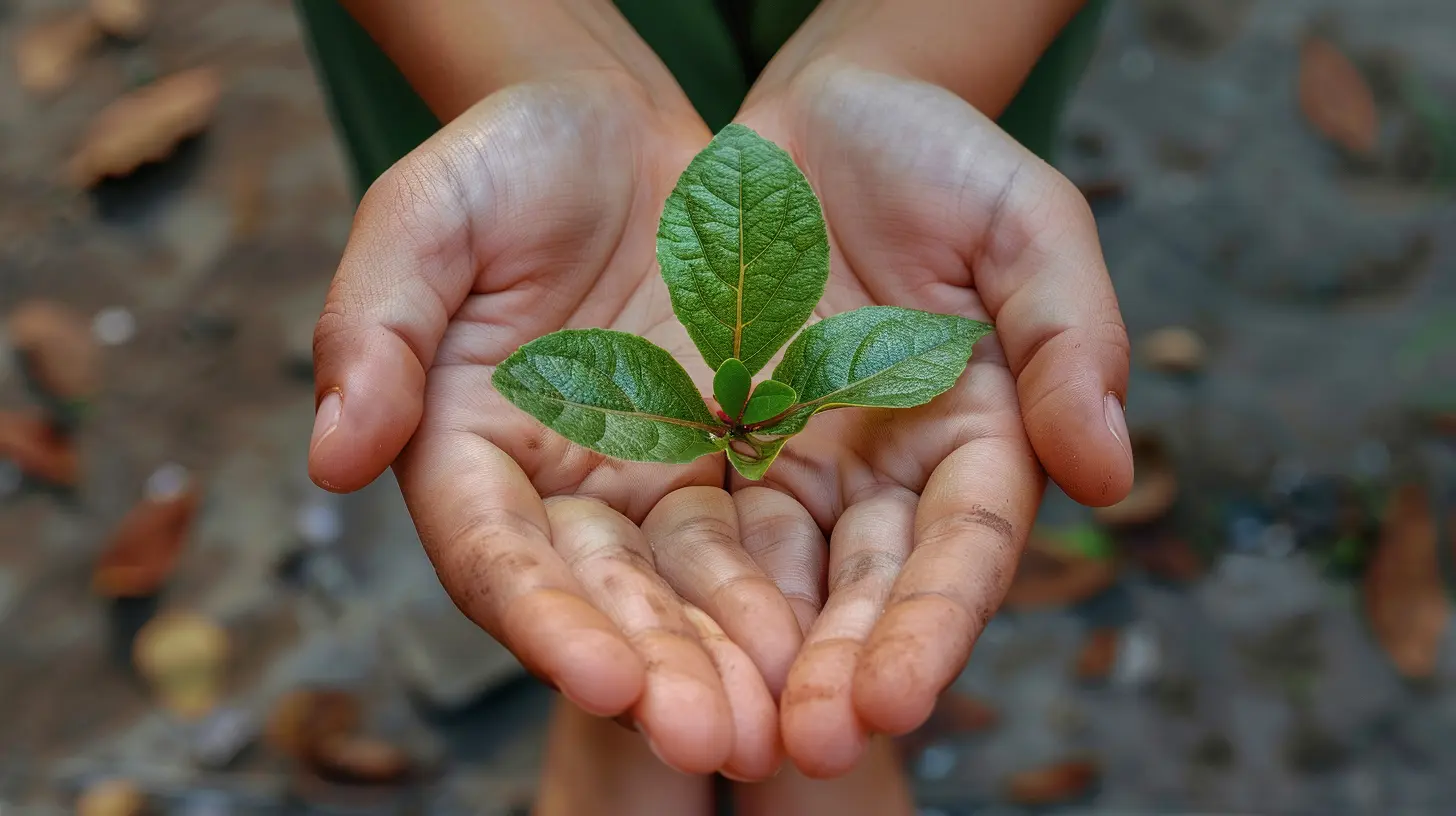
Step 3: Sustainable Packaging Is Non-Negotiable
Let's talk packaging.We’ve all done it—ripped open a box only to find another box, and maybe another, all stuffed with plastic. It’s frustrating and wasteful.
Here’s how to fix that:
- Go Minimal: Use only what’s necessary to protect your product.
- Choose Recyclable Materials: Ditch plastic clamshells and opt for cardboard, paper wraps, or compostable bioplastics.
- Make it Reusable: Create packaging that can be repurposed—think jars, tote bags, or cool boxes customers want to keep.
- Include Disposal Instructions: Make it easy for the customer to know how to recycle or compost each element.
Pro tip: Beautiful, eco-friendly packaging isn’t just better for the environment—it boosts your brand’s aesthetic too.
Step 4: Partner with Eco-Conscious Suppliers
Your suppliers play a big role in your sustainability mission.Choose vendors and manufacturers who share your values. Ask questions:
- Do they use renewable energy in their operations?
- How do they handle waste?
- Are they certified (Fair Trade, FSC, etc.)?
It’s like building a team—you want people who row in the same direction. The right partners will help ensure that sustainability flows through every part of your supply chain.
Step 5: Go Digital-First With Your Marketing
Printed flyers, billboard posters, and physical mail-outs? Kinda old-school… and wasteful.Digital marketing isn’t just more efficient—it’s better for the planet. Here’s how to make the switch:
- Email Campaigns: Send personalized emails instead of direct mail.
- Social Media: Launch your product with a bang on Instagram, TikTok, Facebook, or LinkedIn.
- Influencer Collaborations: Work with eco-conscious influencers who align with your brand values.
- Webinars or Virtual Events: Host launch parties online to cut down on travel emissions and venue waste.
Don’t just think digital—think green digital. Compress images, use eco-friendly hosting platforms, and keep your bounce rates low (that helps emissions too!).
Step 6: Reduce Carbon Emissions During Shipping
Shipping is often a big carbon culprit—but it doesn’t have to be.Here’s how to keep emissions low without sacrificing speed:
- Local Production: Manufacture close to your customers when possible.
- Carbon-Neutral Shipping: Offset the emissions through verified programs (many carriers offer this).
- Eco-Friendly Delivery Options: Offer slower, greener shipping choices—like bike delivery or consolidated shipments.
- Optimize Packaging Size: Small boxes = less space = fewer trucks = fewer emissions.
When customers see that you care about the journey as much as the destination, they'll care too.
Step 7: Host a Green Launch Event
If you’re planning an actual launch event (and not just a virtual one), keep it green.Here’s a checklist to get you started:
- Eco-Friendly Venue: Choose places with sustainability certifications.
- Digital Invites: Skip the paper and send stylish e-vites.
- Local & Plant-Based Catering: Good for the planet—and delicious too.
- No Single-Use Plastics: Use real dishes, glassware, and compostable materials.
- Sustainable Swag Bags: Think seed paper, reusable straws, upcycled notebooks—stuff people won’t toss in the bin.
You want your guests leaving wowed—by your product and your values.
Step 8: Talk About Your Green Efforts
If a tree falls in the forest and no one hears it… you know the saying.Same goes for your sustainability efforts. Don’t keep them a secret! Share the story behind your eco-friendly decisions:
- Post behind-the-scenes content on social media
- Add a sustainability page to your website
- Tell customers where materials come from
- Highlight your carbon offsets
Transparency builds trust. Share the wins and the struggles. People love rooting for brands who are striving to do better.
Step 9: Encourage Customer Participation
Make your customers part of your mission.- Offer incentives for returning used products for recycling
- Create loyalty programs that reward sustainable choices
- Let them donate a portion of their purchase to green causes
- Ask for their feedback on how to improve
Sustainability isn't a solo act—it’s a team sport. When your audience feels included, they’ll become your biggest cheerleaders.
Step 10: Reflect and Improve
After your launch, take a step back. Ask the tough questions:- What worked well?
- What could have been greener?
- What did customers love (or hate)?
Sustainability is a journey, not a final destination. Keep learning, keep tweaking. Over time, those small improvements stack up and make a big difference.
Final Thoughts
Making your product launch eco-friendly and sustainable might feel like adding extra plates to your already-full juggling act. But here's the deal—it’s not about being perfect. It’s about being intentional.Consumers are smart. They notice when you make an effort. And let’s face it—being kind to the earth just feels good.
So as you plan your next big launch, remember: success isn’t just measured in sales—but in your impact on the world.
Go green, go bold, and watch your product (and your brand) soar.
all images in this post were generated using AI tools
Category:
Product LaunchAuthor:

Miley Velez
Discussion
rate this article
1 comments
Drake Gill
Focus on reducing waste.
July 3, 2026 at 4:01 AM
Miley Velez
Absolutely, reducing waste is key to a sustainable launch. Every small effort counts.