How Small Business Can Benefit from Automation Technology
25 July 2026
Let’s be real—running a small business isn’t exactly a walk in the park. You’ve got to wear a million hats, juggle a thousand tasks, and somehow keep your sanity intact. Sound familiar? If your answer is a big tired "YES," then you might just fall in love with automation technology.
Now, hold up. Before your brain starts spinning with sci-fi depictions of robots stealing jobs or machines taking over the world, let’s tone it down. Automation isn’t a villain—it’s not trying to replace you. In fact, it’s here to be your sidekick, your behind-the-scenes superhero.
In this article, we’re diving deep into how small businesses (yes, even the one you're running out of your home office or that cozy storefront on Main Street) can leverage automation tech to save time, cut costs, and grow like never before.
What Is Automation Technology, Anyway?
In plain English, automation technology is the use of tools—typically software or machines—to perform tasks with minimal human intervention. Think of it like hiring an invisible assistant who never sleeps, doesn’t need coffee breaks, and never forgets a thing.From sending emails and managing your calendar to tracking inventory and handling customer service, automation can step in and do the heavy lifting.
Why Should Small Businesses Care About Automation?
You might be thinking, “Isn’t automation just for big corporations with big budgets?” Great question—and nope, it’s not. Automation has become way more accessible and affordable, especially with cloud-based tools and subscription services that don’t cost an arm and a leg.Here’s why small businesses should absolutely care:
- Time is Money: Automating routine tasks frees you up to focus on high-value work—like growing your business.
- Improved Accuracy: Humans make mistakes (we’re only human, after all). Automation reduces slip-ups.
- Boosted Productivity: Get more done in less time without burning out your team.
- Scalability: It’s easier to grow when systems are already running smoothly.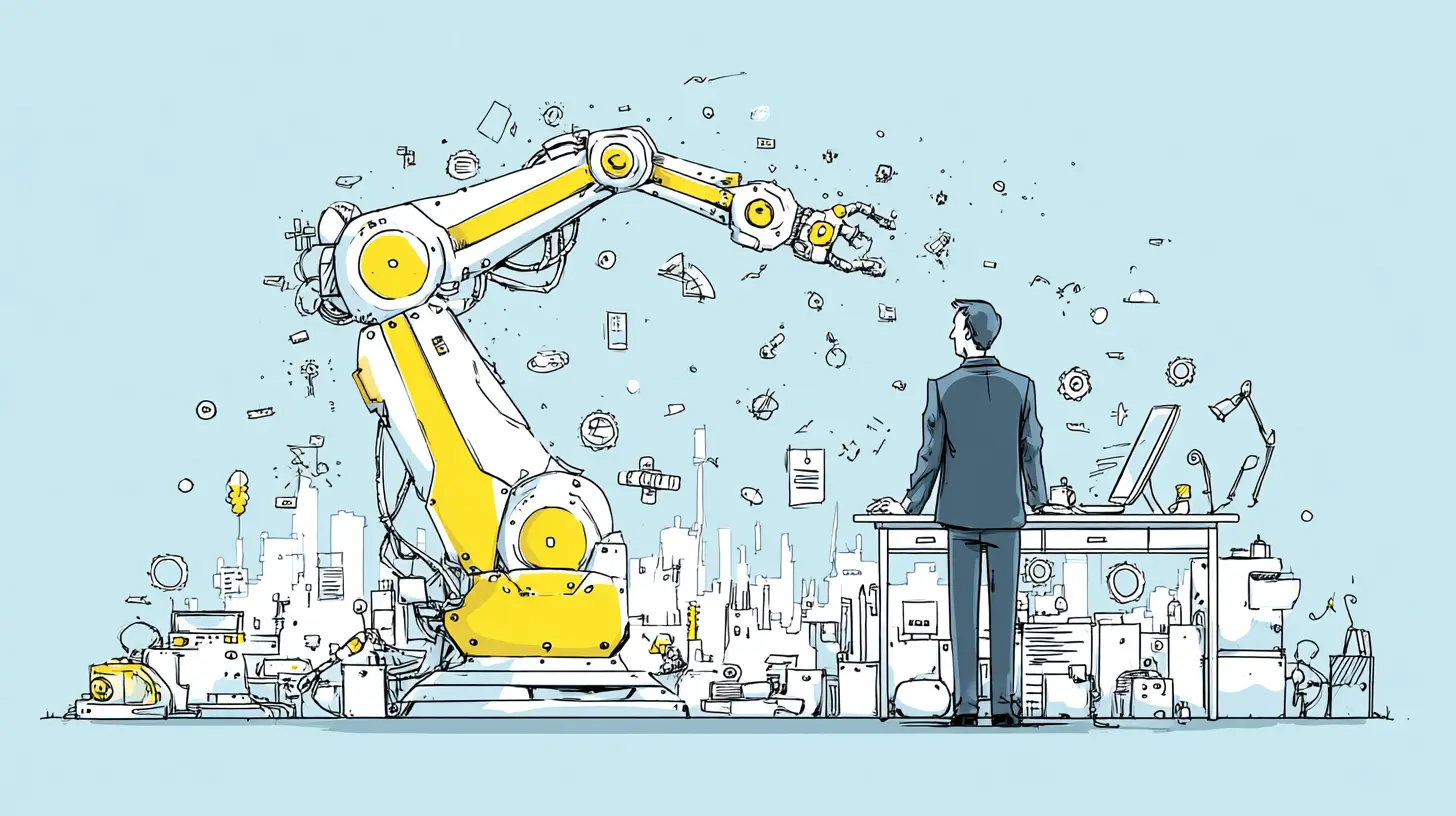
Real-World Examples: Where Can You Automate?
Let’s make this super practical. Here are some areas where you can apply automation in your small business right now:1. Marketing Automation
Ever wish you could keep in touch with customers without staring at your inbox all day? Marketing automation lets you:- Send out emails automatically based on customer behavior.
- Schedule and manage social media posts.
- Track leads and nurture them along the sales funnel.
Tools to Try: Mailchimp, HubSpot, Hootsuite, Buffer
2. Customer Service and Support
Imagine having a 24/7 customer support agent that never sleeps. That’s what chatbots and helpdesk automation do.- Automatically respond to common customer questions.
- Route issues to the right team member.
- Provide instant answers and reduce response times.
Tools to Try: Zendesk, Intercom, Freshdesk
3. Sales Process Automation
Selling doesn’t have to suck up all your time. Automation can:- Send follow-up emails automatically after a demo or call.
- Update your CRM with customer interactions.
- Score and qualify leads based on engagement.
Tools to Try: Salesforce, Pipedrive, ActiveCampaign
4. Accounting and Invoicing
Let’s be honest—bookkeeping can be a nightmare. But automation makes the money side of things way easier.- Automatically generate and send invoices.
- Track expenses and categorize them.
- Reconcile bank statements without manual entry.
Tools to Try: QuickBooks, Xero, FreshBooks
5. Inventory Management
Lost track of which items are selling like hotcakes and which are gathering dust? Automate it.- Receive alerts when stock runs low.
- Automatically reorder items.
- Sync inventory across different platforms.
Tools to Try: TradeGecko, Sortly, Zoho Inventory
Benefits of Embracing Automation
Alright, now let’s get into the juicy part: the benefits. This is what you came for, right? Buckle up, because automation can work wonders for your small biz.✅ Saves You Time (Lots of It)
Let’s not sugarcoat it—time is one of your most valuable assets. Automating repetitive tasks (like data entry or sending out the same 5 emails again and again) gives you hours back in your week. And those hours? You can spend them improving your product, wooing new customers, or, heck, taking a well-deserved nap.✅ Cuts Down on Human Error
Typos, missed emails, forgotten follow-ups… we’ve all been there. Automation runs on logic, not emotions. When set up correctly, it’s like having a super-efficient team member who always crosses the t’s and dots the i’s.✅ Enhances Customer Experience
Happy customers = recurring revenue. Automation helps you reply instantly, personalize messages, and never miss a beat. Imagine sending a birthday discount without even lifting a finger? That’s the kind of magic that keeps customers coming back.✅ Lowers Operating Costs
Hiring people for every task might not be in the budget. Automation requires some investment upfront, sure—but once it’s set up, it pays for itself over time by reducing labor costs and increasing efficiency.✅ Helps You Focus on What Truly Matters
Let’s face it, your time is better spent making strategic decisions, brainstorming new ideas, or chatting with customers—not getting buried in the details. Automation handles the grunt work so you can do more of what you love (and less of what you don’t).But Wait—What Are the Downsides?
We’ve been singing automation’s praises, but let’s keep it real—nothing’s perfect.⚠️ Initial Setup Takes Time
Like anything worth doing, automation takes some effort upfront. You’ll need to choose the right tools, set them up properly, and maybe fumble a bit before getting it just right.⚠️ Over-Automation Can Feel Cold
If you start automating everything, your business can lose its personal touch. The key is balance. Use automation to handle the repetitive stuff, but keep that human sparkle where it matters.⚠️ Cost (Sort Of)
Many tools are affordable, but piling on too many subscriptions can add up. Always weigh the cost of the tool against the time and money it’ll save you. If it saves five hours a week and costs $30/month, that’s a no-brainer.How to Start Automating — Without Losing Your Mind
Let’s say you’re ready to dive in (or dip your toes, at least). Where do you begin?1. Identify Your Time Sinks
Start by listing out the tasks that eat up your day. Emails, invoicing, social media, inventory updates—what do you wish you didn’t have to deal with?2. Choose One Area to Automate First
Trying to automate everything at once = recipe for overwhelm. Pick just one area (like emails or invoicing) and focus on optimizing that first.3. Find the Right Tools
Do a little research and read reviews. Look for tools that:- Are designed for small businesses
- Have solid customer support
- Integrate with the tools you already use
4. Test It Out Slowly
Most tools offer free trials—take advantage! Test your workflow while monitoring for any hiccups. Fix bugs before fully relying on it.5. Keep It Human
Don’t forget the human side of your business. Automated messages should still feel friendly and personal. Use names, be conversational, and show your brand’s personality.Future-Proofing Your Business
Let’s not beat around the bush: the future is automated. The businesses that survive and thrive will be the ones that embrace tech—not fear it. Automation isn’t about taking shortcuts. It’s about working smarter.And hey, you don’t have to overhaul your entire operation overnight. Just start somewhere. One small step toward automation can lead to giant leaps in free time, better service, and more sales.
Final Thoughts
Think of automation technology as the silent business partner you’ve always wished for. It doesn’t complain, works 24/7, and makes your life infinitely easier. Whether you’re a solo entrepreneur or managing a growing team, automation lets you focus on building relationships, scaling smartly, and doing what you actually enjoy.So go ahead—say goodbye to burnout and hello to your business’s new best friend.
all images in this post were generated using AI tools
Category:
Business AutomationAuthor:

Miley Velez
Discussion
rate this article
1 comments
Galina Bailey
Imagine a world where repetitive tasks vanish, leaving you with time to innovate. Automation technology holds secrets that could transform your small business in ways you never thought possible... Are you ready to discover them?
July 26, 2026 at 2:46 AM
Miley Velez
Absolutely! Embracing automation can free up your time and spark new ideas for growth. Let's dive into those secrets and unlock your business's potential.