How Augmented Reality is Changing the Retail Experience
14 December 2025
Let’s be honest—shopping has come a long way. Remember when the only way to try on a pair of jeans was in a cramped fitting room with bad lighting? Or how about guessing whether that new couch would even fit in your living room? Well, get ready to toss those memories into the “pre-AR” bin. Because Augmented Reality (AR) is flipping the entire retail experience on its head—and for the better.
In today’s ultra-connected world, customers aren't just looking for products. They're hunting for experiences. That's where AR steps in, blending the digital and physical worlds to create something truly eye-opening (sometimes literally). If you're in retail—or just a curious customer—keep reading. This is your front-row seat to the retail revolution powered by AR.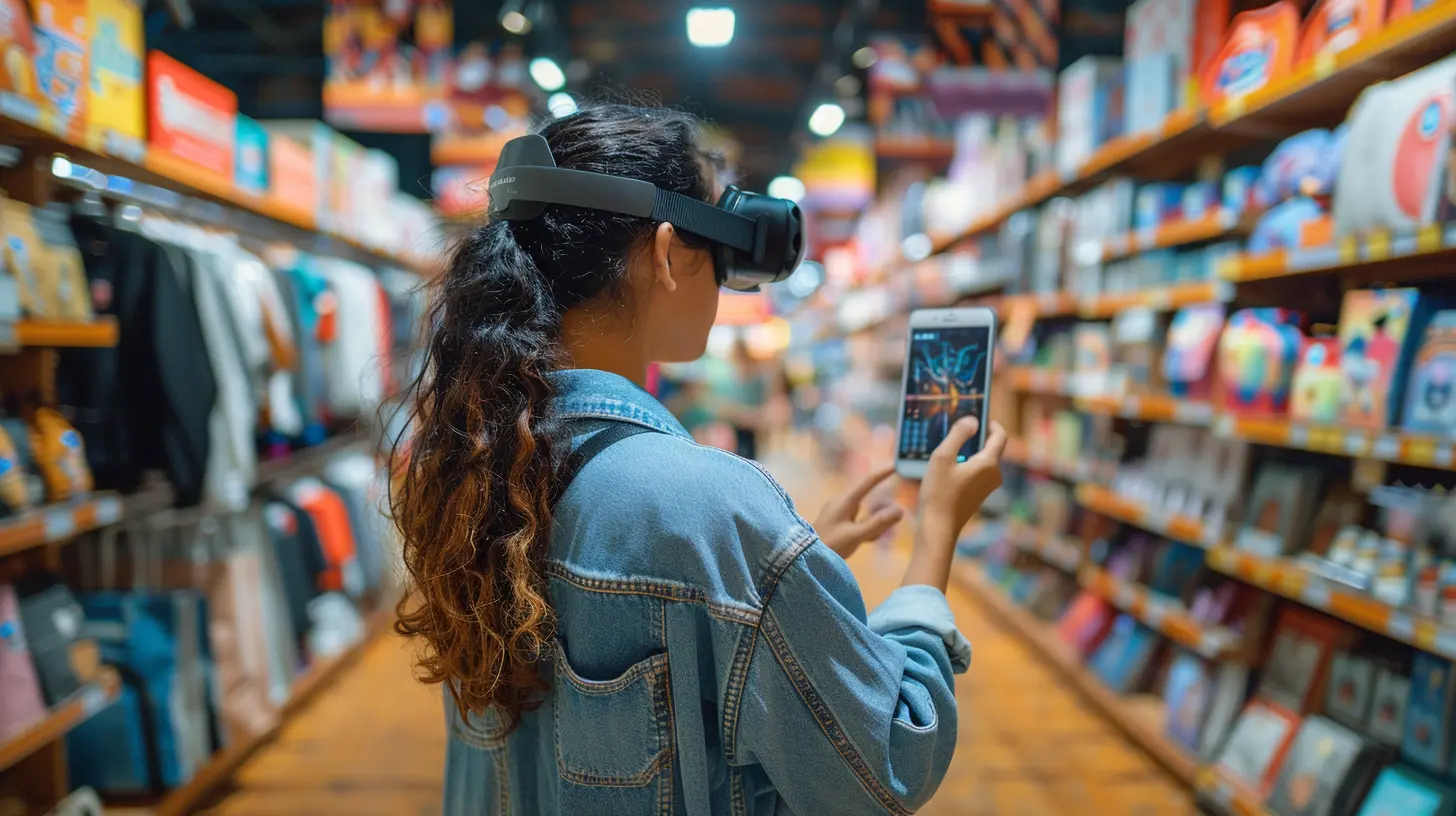
What Is Augmented Reality, Anyway?
Before we go deep into how AR is changing retail, let’s clear up the basics. Augmented Reality isn't some far-off sci-fi concept. It’s already here, and you’ve probably used it without realizing it.Ever tried a Snapchat filter that gives you dog ears or tried placing a virtual chair inside your living room using an app? That’s AR at work. Unlike Virtual Reality (VR), which takes you to a completely different world, AR adds a digital layer to your real environment.
It’s like reality—but with bonus features.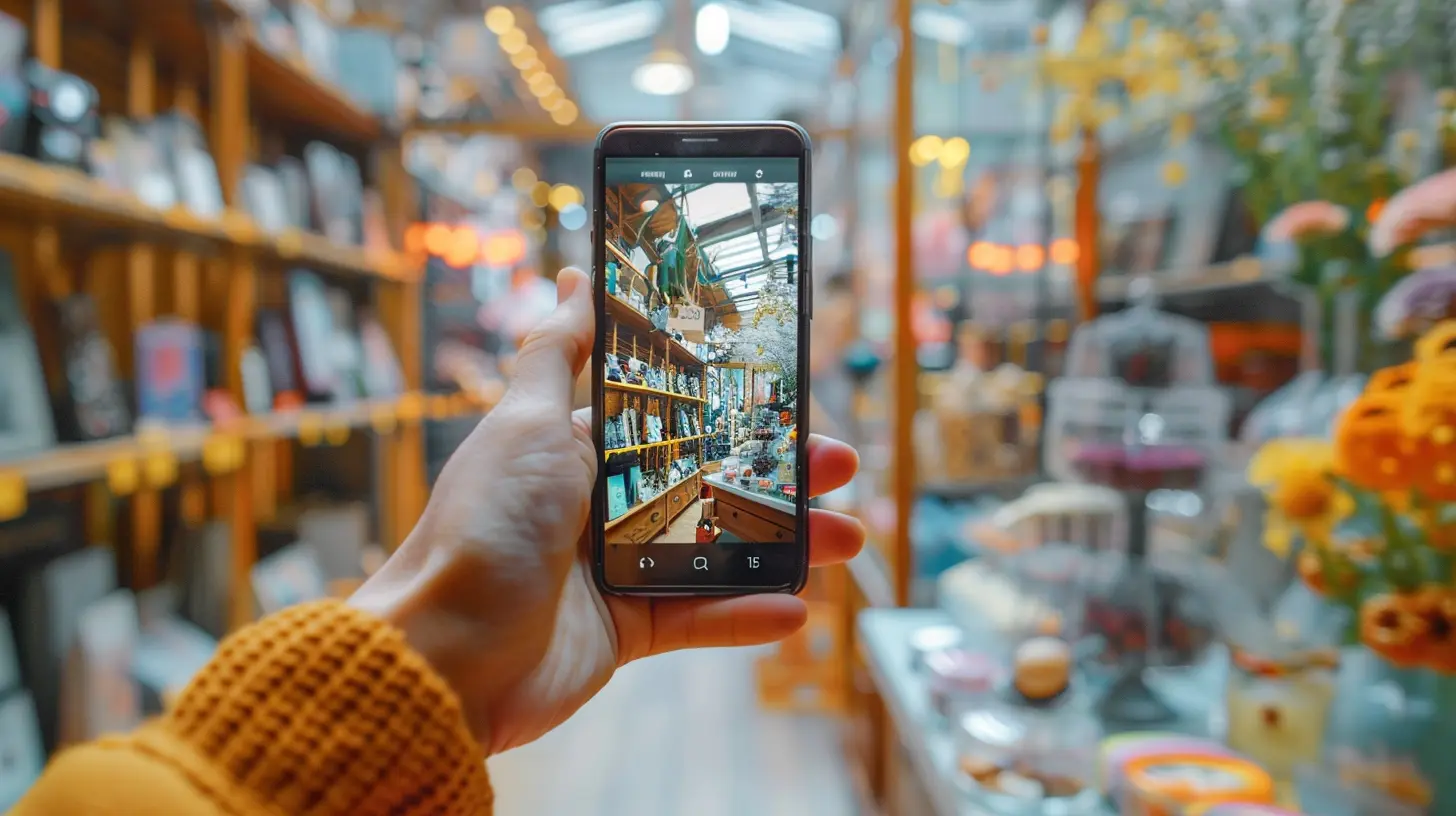
Why Is AR a Big Deal in Retail?
It’s no secret: we’re picky shoppers. We want options, comparisons, convenience, and somehow...personalization too. Traditional online shopping offers convenience, but lacks the tactile, try-before-you-buy feel of brick-and-mortar stores. On the flip side, physical stores can’t always compete with online prices, variety, or 24/7 availability.AR bridges that gap.
It gives us the best of both worlds: the immersive experience of a store, and the convenience of shopping from our couch. Sounds like magic? It kinda is.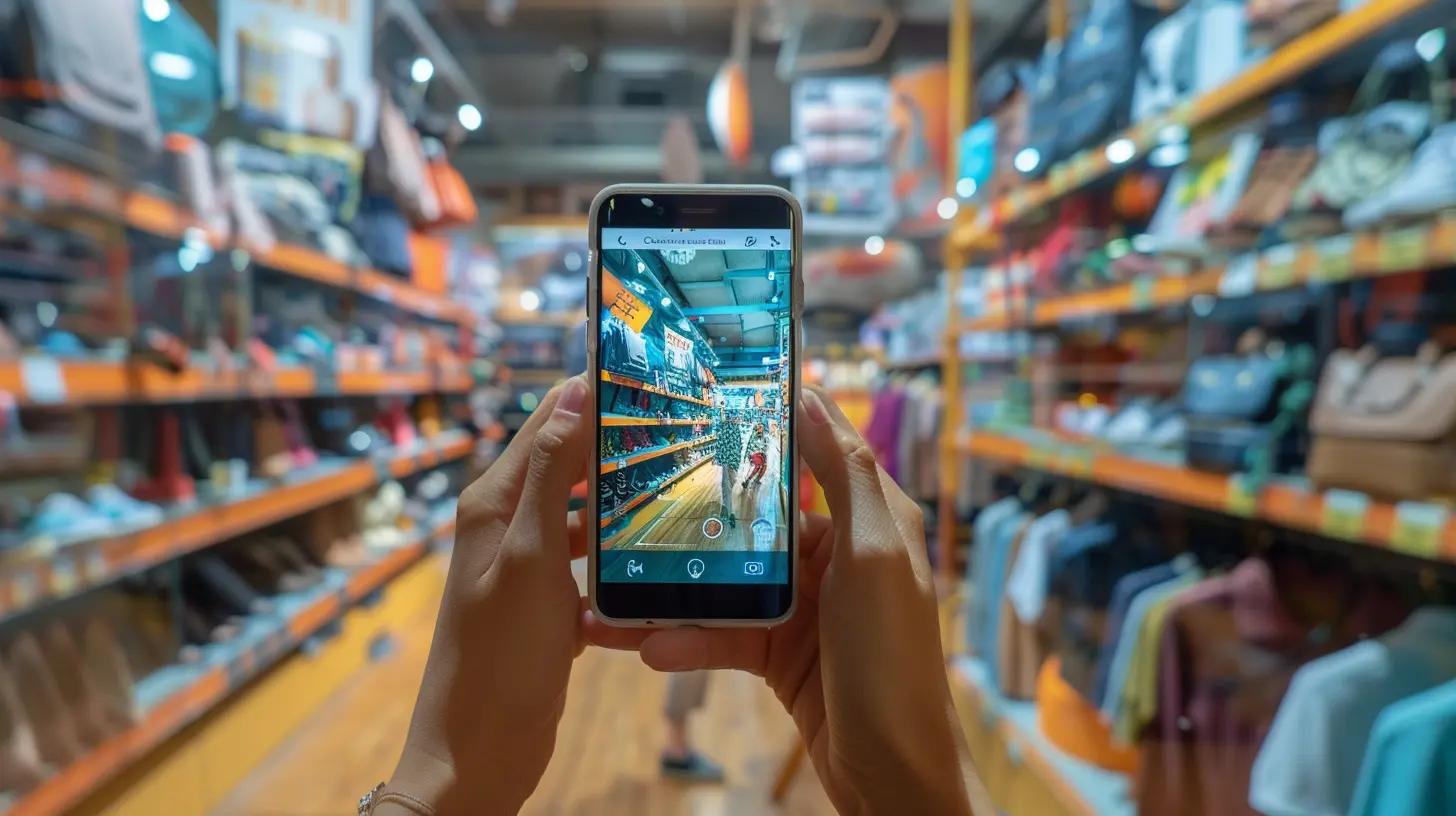
Key Ways AR Is Transforming Retail
1. Try Before You Buy—Without Leaving Home
Let’s start with the most jaw-dropping impact of AR: virtual try-ons.Brands like Warby Parker and Sephora have nailed this. Warby lets you try on glasses using your smartphone camera. Sephora? You can test that bold lipstick without ever touching your face.
And it’s not just fashion or beauty. IKEA’s AR app, IKEA Place, lets you position furniture in your actual room to see if it fits and matches your vibe. No measuring tape. No guessing. No buyer’s remorse.
2. In-Store Experience Just Got a Tech Upgrade
Yes, AR shines online—but it also spices up in-store shopping.Imagine walking through a store and pointing your phone at a product to instantly get reviews, ingredient info, or even recipe suggestions (looking at you, Whole Foods). Companies like Lowe’s have even launched in-store navigation apps powered by AR, guiding you through aisles to find exactly what you need.
It’s like having a shopping assistant in your pocket.
3. Interactive Product Demos
Some products are hard to explain with just text or images. AR brings them to life.Brands like BMW and Audi allow customers to explore car models in AR, opening doors, switching colors, and viewing interiors—all from a phone or tablet. It’s not just cool—it builds confidence in purchase decisions.
4. Personalization Gets, Well...Personal
Remember that shopping habit you have of hovering over a product but not buying it? AR can help brands tailor your experience based on those behaviors.With AR-powered features, brands can show you personalized product suggestions, styling ideas, or bundles—turning a generic shopping trip into a curated boutique experience created just for you.
Talk about next-level shopping.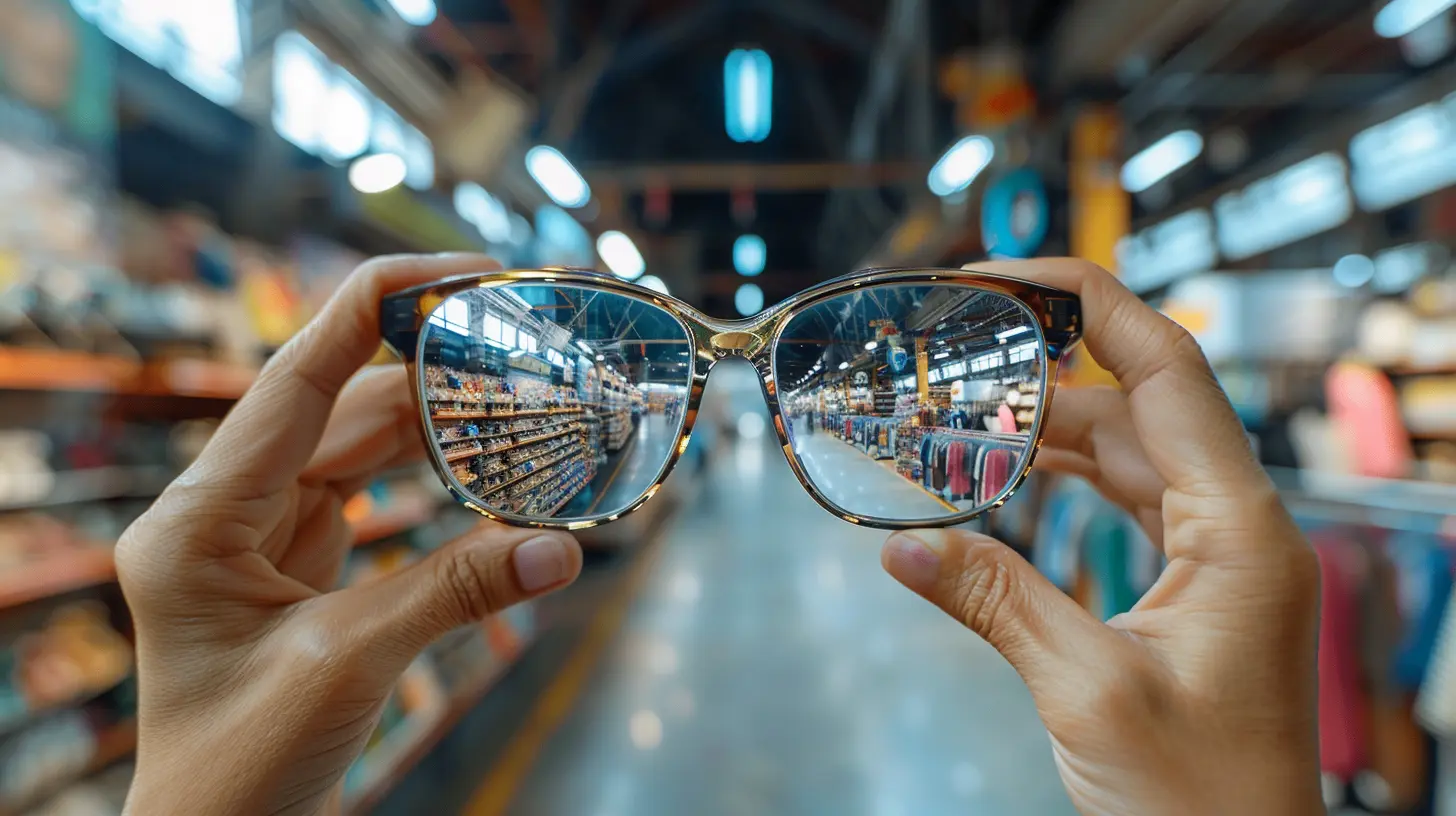
The Benefits for Retailers (Not Just Shoppers)
Sure, AR gives shoppers a wow-factor. But what's in it for businesses?Increased Engagement
People linger longer when they’re playing with AR features. The more time they spend with your brand, the more likely they are to buy. It’s that simple.Fewer Returns
When customers can “try before they buy,” they’re more confident in their purchases. Fewer surprises mean fewer returns—which is a big win for both the business's bottom line and the planet.Richer Data Insights
AR helps retailers gather valuable data—like what customers interact with the most, or where they drop off in a shopping journey. This information helps brands create smarter marketing strategies and improve the customer experience.How Different Retail Sectors Are Using AR
Let’s zoom in on a few industries that have gone all-in on AR:Fashion
Brands like ASOS and Zara are leading the charge. AR-powered virtual fitting rooms and 3D models allow customers to see how clothes will look on their own body types. You can even pose in your living room wearing a digital version of that outfit before adding it to your cart.Beauty & Cosmetics
From Sephora to L’Oréal, beauty brands are using AR to let customers test out makeup or skincare with just a selfie. No more grimy testers. No more awkward returns. Just flawless, data-backed personalization.Home Decor
Wayfair and IKEA are turning every home into a showroom. Their AR tools let users drop sofas, rugs, or tables right into their space to check sizing, style, and placement. It's like Pokémon Go, but for your living room.Grocery & Food Retail
Even the food industry is joining the party. AR can add story layers to product packaging—like showing where your coffee beans were harvested or how to prepare that new pasta you bought.What’s Powering This AR Revolution?
Okay, so we know AR is exciting. But what’s actually making it work?- Smartphones & Tablets: No bulky headsets needed. Most AR experiences only need a phone camera and an app.
- AR Development Platforms: Tools like Apple’s ARKit and Google’s ARCore make it easier for developers to create immersive experiences.
- 5G & Faster Internet: AR uses a lot of data. With faster networks, the experience becomes smoother and more realistic.
Challenges to Keep in Mind
Of course, no tech is perfect right out of the gate. AR in retail still faces a few bumps in the road:- Accessibility: Not everyone has a phone that supports high-end AR features.
- Privacy Concerns: Apps that collect data through AR need to be transparent about how that data is used.
- Development Costs: Building a smooth, glitch-free AR app isn’t cheap. Smaller businesses may struggle to keep up.
But as with most tech, these hurdles are shrinking as time goes on. Advancements in hardware and software are making AR more accessible every day.
What’s Next for AR in Retail?
The AR train isn’t slowing down anytime soon. The future? It’s even more immersive.Here’s what’s on the horizon:
- AR Glasses: Instead of pulling out your phone, you’ll just look at something to get information or virtual overlays.
- AI Integration: Marry AR with artificial intelligence, and you get smart recommendations in real-time. Think: an AR mirror that tells you what accessories go with your outfit.
- Social Shopping: Imagine shopping with friends through AR, even if you’re in different cities. Try-ons, voting, swaps—it could all be virtual and social.
How Brands Can Get Started with AR
You don’t need a massive tech budget to start dipping your toes into AR. Here’s how retail businesses can begin:1. Start Simple: Experiment with AR try-ons or virtual product placement.
2. Use Existing Tools: Platforms like Shopify and Snapchat offer AR features even for small businesses.
3. Hire the Right Experts: Bring in developers or agencies who live and breathe AR.
4. Test & Learn: Watch how customers interact, gather data, and fine-tune the experience.
Even baby steps into AR can pay off, especially if you’re staying one step ahead of customer expectations.
Final Thoughts
Let’s face it—shoppers are tired of boring. They want excitement. They want personalization. And more than anything, they want a seamless, stress-free shopping experience that doesn’t feel like a chore.Augmented Reality checks all those boxes and then some.
From virtual try-ons to in-store perks, AR is transforming the way we shop—from how we discover products to how we interact with them, and even how we make decisions. It adds a magical layer to something we do every day.
Retail isn’t just about what you sell anymore. It’s about how you sell it. And with AR in your toolkit, the sky’s the limit.
all images in this post were generated using AI tools
Category:
RetailAuthor:

Miley Velez
Discussion
rate this article
2 comments
Winter McConnell
Augmented reality is truly transforming the retail landscape! By enhancing customer engagement and providing immersive experiences, it's reshaping how we shop. Embracing this technology can lead to innovative strategies that delight consumers and drive business growth. Exciting times ahead!
January 24, 2026 at 4:38 AM
Miley Velez
Thank you for your insightful comment! I completely agree—augmented reality is revolutionizing retail by enhancing engagement and creating immersive shopping experiences. Exciting times indeed!
Alanna McLanahan
Great article! It’s fascinating to see how augmented reality is transforming the retail landscape. The way it enhances customer engagement and makes shopping more interactive is truly revolutionary. I can't wait to see how businesses continue to innovate with AR in the future. Keep up the excellent work!
December 14, 2025 at 4:13 AM
Miley Velez
Thank you for your kind words! I'm glad you found the article insightful. Exciting times lie ahead for AR in retail!