Exploring Venture Capital Trends in Emerging Markets
19 January 2026
So, you're curious about venture capital trends in emerging markets? Buckle up, folks—we're diving headfirst into a world where billion-dollar valuations meet shaky Wi-Fi and startup founders pitch their ideas in bamboo huts (okay, maybe not literally). Welcome to the wild, unpredictable, and oddly charming universe of venture capital in places that VCs used to avoid like expired sushi.
Gone are the days when all the money was flowing into Silicon Valley like it was the only place on Earth with electricity and ambition. Today, investors are eyeing Jakarta, Lagos, São Paulo, and just about any city whose name pronunciation confuses Westerners.
But what’s really cooking in this VC stew, and why are everyone’s eyes suddenly glued to emerging markets like they’ve spotted Bitcoin back at $20? Let’s break it down—sarcasm, sass, and stats included.
Why Emerging Markets Are the New Cool Kids in Town
"Silicon Valley? That’s So 2015."
Let’s state the obvious—mature markets are über-saturated. I mean, how many food delivery apps does one city need? Investors are tired of funding the 17th Uber clone for pets. So, naturally, they’re turning their gaze toward markets where:- Competition is still healthy (read: not cutthroat insanity),
- Valuations aren’t grotesquely inflated,
- And innovation isn't just re-skinning what already exists.
You know that feeling when you discover a band before they go mainstream? That’s what it feels like for VCs pouring money into startups in Ghana or Vietnam. They want to be the cool uncle who funded “the next big thing” before it blew up.
The Demographic Jackpot
Emerging markets are like that kid in high school who hasn’t hit their growth spurt yet but is definitely going to be 6'5" and play for the NBA.With young, tech-savvy populations who actually want to use mobile-first technology (because many never even had desktops), these regions are sprinting past traditional infrastructure right into the digital age.
India, for instance, has a median age of 28. Africa? Even younger. That’s a lot of energy, hustle, and probably more TikTok dances than we’d ever need—but also a market that’s eager to adopt fintech, edtech, healthtech… basically all the techs.
Mobile-First? More Like Mobile-Only
Let’s not forget that many people in these markets skipped the whole "dial-up internet and desktop computer" phase. They went straight from zero to smartphone. If you’ve ever complained about your Wi-Fi being slow while watching Netflix in 4K—congrats, you’re the problem.In emerging markets, apps aren’t just a convenience—they’re often the only gateway to services like banking, healthcare, or education. So when a startup launches a micro-loan app in Kenya or a telemedicine platform in Bangladesh, it's not a “nice to have." It’s a flipping game-changer.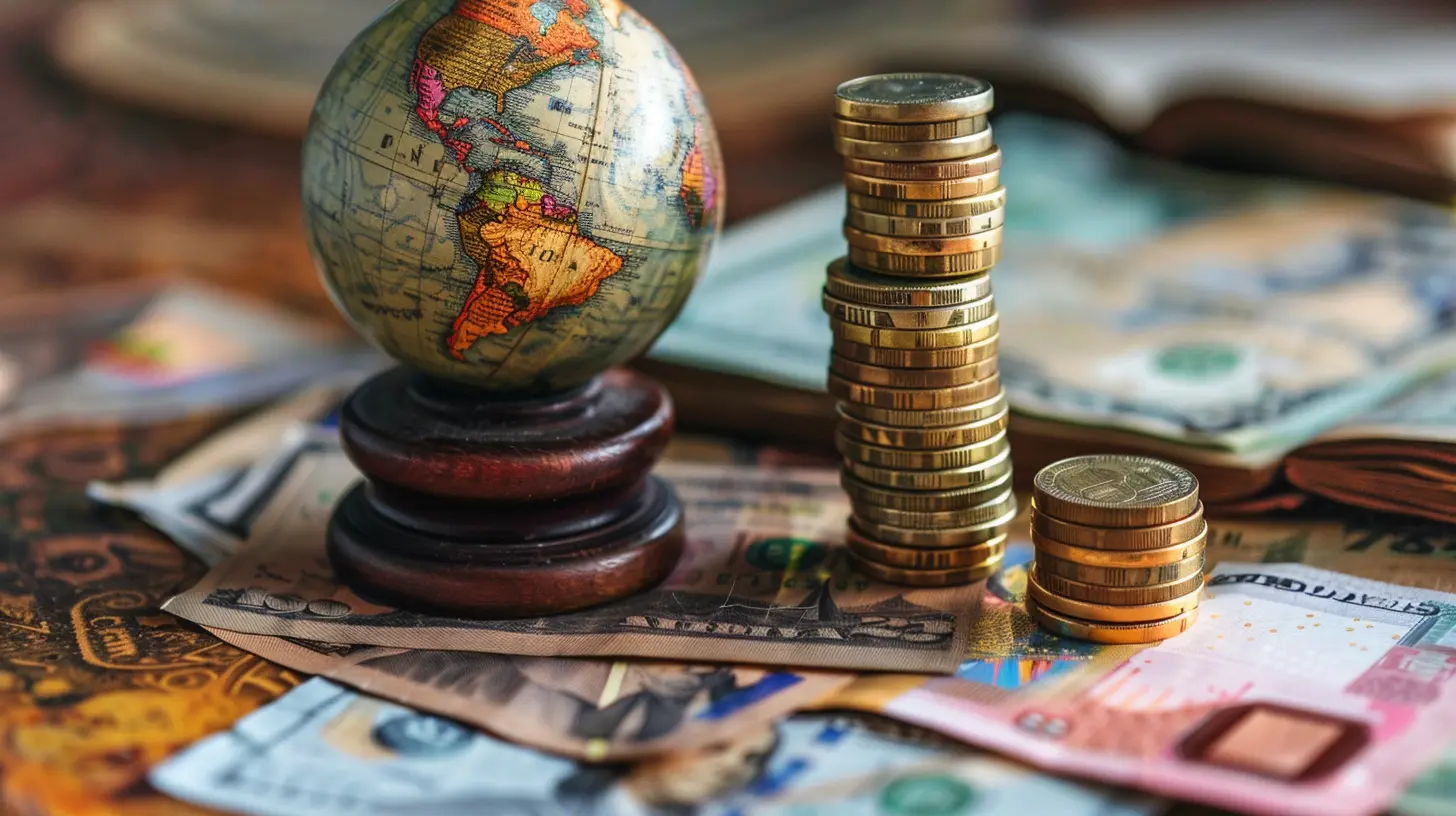
What Startups Are Getting Funded? Spoiler: It's Not Your Dog Walking App
Fintech: The Golden Goose
If there's one thing VCs love more than talking about themselves, it’s fintech. And boy, is it having a moment in emerging markets.Why? Because traditional banks have been, well, let’s say less-than-welcoming. Large parts of Africa, Southeast Asia, and Latin America are underserved by traditional financial institutions. Enter startups with sexy apps and zero tolerance for red tape.
They’re offering:
- Microloans with just a selfie for ID.
- Mobile wallets that work where banks don’t.
- Crypto solutions for places with unstable currencies.
And investors? They’re handing out checks faster than you can say “neobank.”
Healthtech: Because Getting Sick Shouldn’t Mean Going Broke
In many emerging markets, access to healthcare is laughably bad—or, to be less harsh, “challenging.” So what’s popping up? Platforms for remote consultations, AI-powered diagnostics, and health insurance you can buy via text message.Startups are literally saving lives and making money. It’s capitalism with a conscience—or a really good PR team. Either way, healthtech is hot.
Edtech: School’s in Session, Wi-Fi or Not
With a young population hungry for skills but lacking access to quality education, edtech is stepping in as the cool substitute teacher with an iPad.From mobile learning platforms to live online tutoring (yes, even with patchy connections), startups are bridging the education gap across continents. And investors? Oh, they’re eating it up.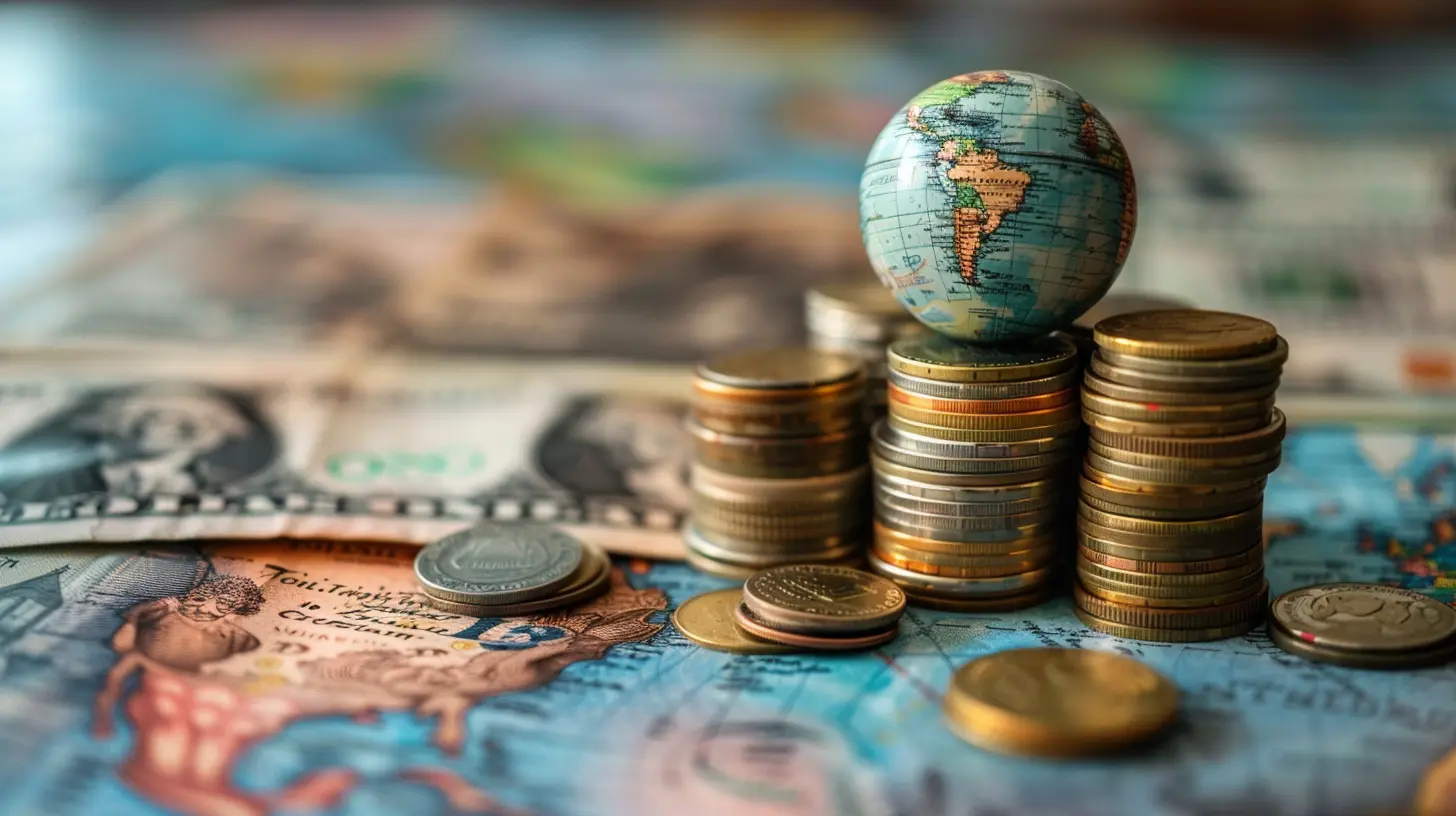
The Tricky Business of Investing Where ATMs Double as Coffee Tables
Infrastructure? What’s That?
Okay, let's not pretend it's all rainbows and unicorns. Investing in emerging markets has its “quirks.”- Power outages are frequent.
- Logistics are… imaginative.
- Regulatory frameworks? Picture a labyrinth drawn by someone tripping on kombucha.
Basically, it's not for the faint-hearted. But high risk = high reward, right? At least, that’s what investors whisper to themselves at night.
Currency Fluctuations: The Real Rollercoaster
Imagine investing $1 million and waking up to realize your investment is now worth $700K thanks to currency depreciation. Fun times.Currencies in many emerging markets can be as stable as a drunk flamingo. Smart VCs hedge their bets, but currency drama still makes for sleepless nights and text messages that start with “Don’t panic, but…”
Regulatory Whack-a-Mole
Today it’s allowed. Tomorrow it’s not. And next week—who knows?Governments in emerging markets can be a bit… unpredictable. They might suddenly decide that fintech is a national threat or that crypto wallets need to be taxed like candy bars.
Navigating this legislative minefield requires either a rockstar local partner or a PhD in "Staying Chill Under Pressure."
Who’s Throwing the Money?
Global VCs Want In
Sequoia, Tiger Global, SoftBank—you name them, they’re in. These big guys have stopped playing exclusively in their own sandboxes. They’re now happily funding e-commerce in Pakistan and crypto wallets in Colombia like it’s no big deal.And why not? If they can get 10x returns from a startup in Nairobi, who cares if they can’t pronounce the founder’s name on the first try?
Local VC Heroes
Let’s hear it for the homegrown daredevils! Local VCs, angel investors, and accelerators are stepping up in a big way. They know the game, speak the language, understand the culture, and don't get spooked when the power goes out mid-pitch.They’re also better at spotting real potential versus a Silicon Valley buzzword salad.
Corporate VC: The Plot Twist
Big corporations are now dipping their toes in the VC pool. Telcos, banks, even big FMCG brands are setting up VC arms to get in early on disruptive startups.They’ve got the money, the market reach, and—let’s be honest—the fear of becoming irrelevant. Investing in innovation is better than being destroyed by it, right?
How Startups Are Playing It Smart
Think Global, Act Local
The best startups don’t try to clone American models pixel-for-pixel. They localize. They build products that work with the quirks of their home turf.Payment processors that accept livestock as collateral? Probably not gonna fly in New York, but in rural India or Nigeria? Genius.
Raising in Tranches
Given the uncertainty, many startups in emerging markets raise funds in smaller, more frequent rounds. It’s like buying snacks instead of groceries—you spend more over time, but it feels safer.This way, they keep their burn rate low and can pivot quickly if things go sideways (which they often do).
Building for Real Problems
Here's a revolutionary idea: solving actual problems instead of inventing them.Startups in emerging markets are often tackling pain points so obvious you’d wonder why no one did it earlier. Like logistics platforms for areas that don’t even have street names. Or agri-tech tools for farmers who’ve never touched a laptop.
It’s innovation with a purpose—and that makes the returns taste even sweeter.
So, Is It Worth It?
Let’s be honest. Emerging markets aren’t a magic money tree. They can be chaotic, risky, and unpredictable. But they’re also filled with insane potential, brilliant founders, and untapped demand.For VCs with guts, grit, and maybe a fondness for spicy food and startup drama—it’s paradise.
If you want safe and boring, stick with another AI-powered photo filter app from San Francisco. But if you want to be part of the next wave of global innovation, where every win feels like a small victory against the odds, then emerging markets might just be your jam.
So go ahead, hop on the chaos train. Who knows—your next unicorn might just be hiding behind a mango cart in Manila.
Final Thoughts
Emerging markets are no longer the “maybe someday” regions of the investment world. They’re alive, kicking, and ready to party—with or without stable electricity. The money’s rolling in, the ideas are fresh, and the opportunities? Practically oozing out of every corner.Sure, it won't be smooth sailing, but when has revolution ever been tidy?
all images in this post were generated using AI tools
Category:
Venture CapitalAuthor:

Miley Velez
Discussion
rate this article
2 comments
Anisa Morrow
This article provides valuable insights into venture capital trends in emerging markets. Thank you for highlighting such an important topic that fosters understanding and growth.
March 15, 2026 at 4:00 AM
Miley Velez
Thank you for your kind words. I'm glad the article resonated with you
Giovanna Ford
Emerging markets present unparalleled opportunities; savvy investors must seize these transformative venture capital trends now.
January 19, 2026 at 1:21 PM
Miley Velez
Thank you for your insight! Indeed, the dynamic landscape of emerging markets offers unique opportunities that forward-thinking investors can leverage for significant growth.