Defining the Ideal Influencer for Your Brand
24 June 2026
In today's digital landscape, influencers hold more power than ever before. They shape opinions, drive purchasing decisions, and create trends that brands simply can’t ignore. But not all influencers are created equal. Choosing the right one for your brand can be the difference between skyrocketing success and an expensive mistake.
So, how do you define the ideal influencer for your business? Let’s break it down.

Why Influencer Marketing Matters
Influencer marketing isn’t just a passing trend—it’s a powerful tool that bridges the gap between brands and their target audience. Consumers trust recommendations from people they admire far more than direct ads. In fact, studies show that 92% of consumers trust influencers more than traditional celebrity endorsements or advertisements.By collaborating with the right influencer, brands can:
- Increase brand awareness
- Boost engagement
- Drive sales
- Build trust and credibility
But again, the key phrase here is "the right influencer." Picking an influencer just because they have a massive following isn't enough—you need someone who aligns with your brand values and resonates with your audience.

The 5 Key Traits of the Ideal Influencer
1. Authenticity Over Popularity
Bigger isn’t always better. Just because an influencer has a million followers doesn’t mean they are the right fit for your brand. Authenticity plays a far greater role than sheer numbers.People follow influencers because they trust them. If their endorsements feel forced or insincere, their audience will pick up on it instantly. The best influencers seamlessly integrate promotions into their content in a way that feels natural.
Ask yourself:
- Does the influencer genuinely align with your brand’s mission?
- Do they have a history of promoting products they actually use?
- Does their content feel organic rather than overly scripted?
If the answers are yes, you’re on the right track.
2. Audience Alignment
It’s not about how many followers an influencer has—it’s about who follows them.Before you choose an influencer, analyze their audience demographics:
- Age – Does their audience match your target demographic?
- Location – Are they reaching the right geographical market?
- Interests – Do they share similar interests with your customer base?
For example, if you’re a fitness brand, partnering with a beauty influencer may not drive the best results—even if they have millions of followers. The key is relevance over reach.
3. Engagement Rate Over Follower Count
An influencer with 500,000 followers but low engagement won’t bring you much value. Instead, look at how their audience interacts with their content.A high engagement rate (likes, comments, shares, and direct interactions) means their followers genuinely care about what they have to say. As a benchmark:
- High engagement: 3-6%
- Average engagement: 1-3%
- Low engagement: Below 1%
Micro-influencers (typically between 10K-50K followers) often have higher engagement rates than mega influencers, making them a smart choice for brands looking for real impact.
4. Content Quality & Consistency
Quality still wins over quantity. The best influencers consistently create engaging, well-produced, and high-value content. Whether it's videos, blog posts, or social media updates, their content should:- Be visually appealing
- Tell a compelling story
- Provide value to their audience
Before reaching out, take time to scroll through their content history. Are they posting regularly? Is their messaging consistent? A reliable influencer will have a pattern of producing impactful content that resonates with their audience.
5. Professionalism & Reliability
Remember, working with an influencer is a business partnership. You need someone who is professional, communicates well, and meets deadlines.Red flags to watch for:
- Delayed responses
- Overpromising and under-delivering
- Negative reputation in the industry
A good influencer will treat your collaboration seriously and work with you to create a strategy that benefits both parties.
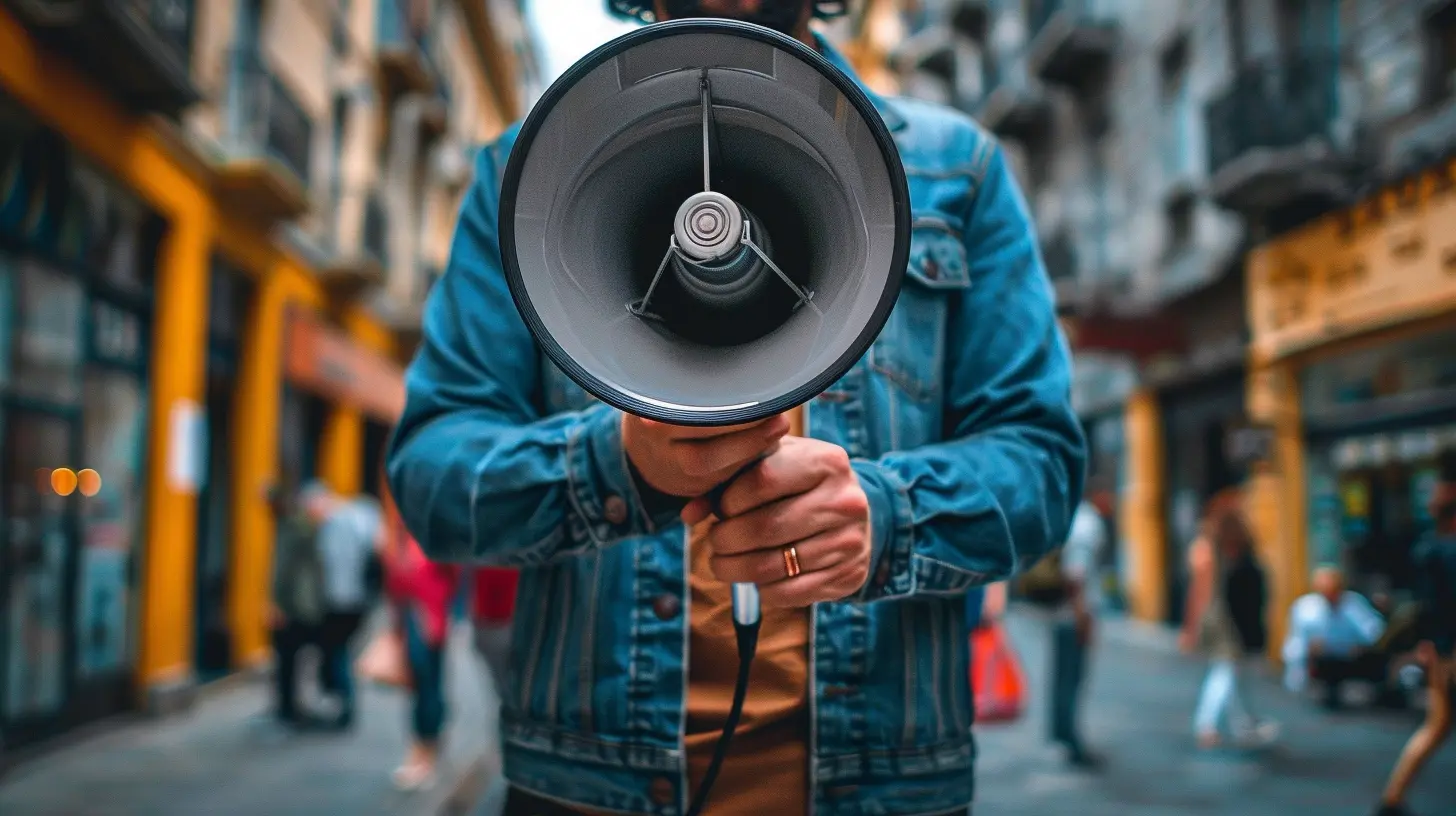
Types of Influencers: Which One Is Right for You?
Not all influencers operate on the same level. Here’s a breakdown of the different types to help you decide which is the best fit for your brand.1. Nano-Influencers (1K-10K followers)
- Pros: Highly engaged audience, affordable, more personal connections- Best For: Small businesses, niche markets, targeted campaigns
2. Micro-Influencers (10K-50K followers)
- Pros: Great engagement rates, strong niche communities, cost-effective- Best For: Mid-to-large businesses, product launches, brand awareness
3. Macro-Influencers (50K-1M followers)
- Pros: High reach, strong brand collaborations, established credibility- Best For: Nationwide campaigns, major brand endorsements, larger budgets
4. Mega-Influencers (1M+ followers)
- Pros: Massive reach, strong brand association, global influence- Best For: Large-scale brands, international campaigns, premium brand positioning
Choosing the right tier depends on your budget, goals, and target audience. Sometimes, working with several smaller influencers can drive better results than partnering with one mega influencer.

How to Find & Vet the Right Influencer
Now that you know what to look for, how do you actually find the perfect influencer? Here’s a strategic approach:Step 1: Research & Shortlist
Use tools like:- Instagram, TikTok, YouTube (browse hashtags, industry leaders)
- Influencer platforms like AspireIQ, Upfluence, or Heepsy
- Google search & industry blogs
Step 2: Analyze Their Metrics
- Engagement rate- Audience demographics
- Past brand collaborations
Step 3: Reach Out Professionally
- Personalize your message (don't send generic DMs)- Clearly state campaign expectations & benefits
- Offer fair compensation
Step 4: Build a Long-Term Partnership
One-off promotions are fine, but long-term collaborations build stronger brand trust. Consider ambassadorships or recurring partnerships for maximum impact.Common Mistakes to Avoid
Influencer marketing can be incredibly effective—but only when done right. Watch out for these pitfalls:1. Ignoring Fake Followers
Many influencers buy followers to inflate their numbers. Always check their engagement rate to ensure their audience is real.2. Choosing the Wrong Niche
An influencer who's famous for tech reviews won’t help a beauty brand. Stay within your industry for the best results.3. Lack of Clear Goals
Before you even approach an influencer, be clear on your objectives. Are you looking for brand awareness? Sales? Engagement? Having a clear goal will help you measure success effectively.4. Overlooking Contracts
Always have a contract in place. It should outline:- Deliverables (how many posts, stories, videos, etc.)
- Compensation
- Timelines
Without a contract, miscommunications can happen, leaving both parties frustrated.
Final Thoughts
Finding the ideal influencer for your brand isn’t just about numbers—it’s about authenticity, engagement, alignment, and professionalism. The right influencer has the power to amplify your brand’s message and create meaningful connections with your audience.Take the time to research, vet, and strategically partner with influencers who truly believe in your brand. When you do, the results can be game-changing.
all images in this post were generated using AI tools
Category:
Influencer MarketingAuthor:

Miley Velez
Discussion
rate this article
1 comments
Delta Duke
Great insights on selecting the right influencer for brand alignment. It's crucial to evaluate values, engagement rates, and audience authenticity. Building genuine relationships can lead to more impactful collaborations. Looking forward to seeing how brands adapt these strategies in their influencer marketing approaches. Keep up the good work!
June 27, 2026 at 3:40 AM
Miley Velez
Thank you for the thoughtful feedback! I completely agree that genuine relationships and meaningful alignment are key to successful collaborations. Excited to see how brands embrace these strategies too!