Creating a Culture of Continuous Improvement in the Workplace
26 May 2026
Ever feel like your workplace is stuck in a hamster wheel—busy, but not really getting anywhere? You’re not alone. Many companies operate on autopilot, doing things the same way just because that’s how they’ve always been done. But here’s the truth: the key to long-term success isn’t just working harder; it’s working smarter.
Enter the magic of continuous improvement—a mindset shift that turns businesses into well-oiled machines of innovation, creativity, and efficiency. If you want your team to thrive (instead of merely survive), creating a culture of continuous improvement is non-negotiable.
So, how do you shift gears and make improvement a way of life at work? Buckle up—we’re diving into practical ways to make it happen! 
What Is Continuous Improvement, Anyway?
Before we start revamping your workplace, let’s get on the same page.Continuous improvement is the ongoing effort to enhance processes, products, or services within an organization. It’s not about massive overhauls or once-in-a-blue-moon upgrades. Instead, it’s about making small, incremental changes that add up over time.
Think of it like compound interest. When you invest a little improvement each day, the results snowball into something spectacular.
Companies like Toyota and Google swear by this philosophy. They don’t just obsess over the big picture; they focus on daily tweaks that keep them miles ahead of the competition. 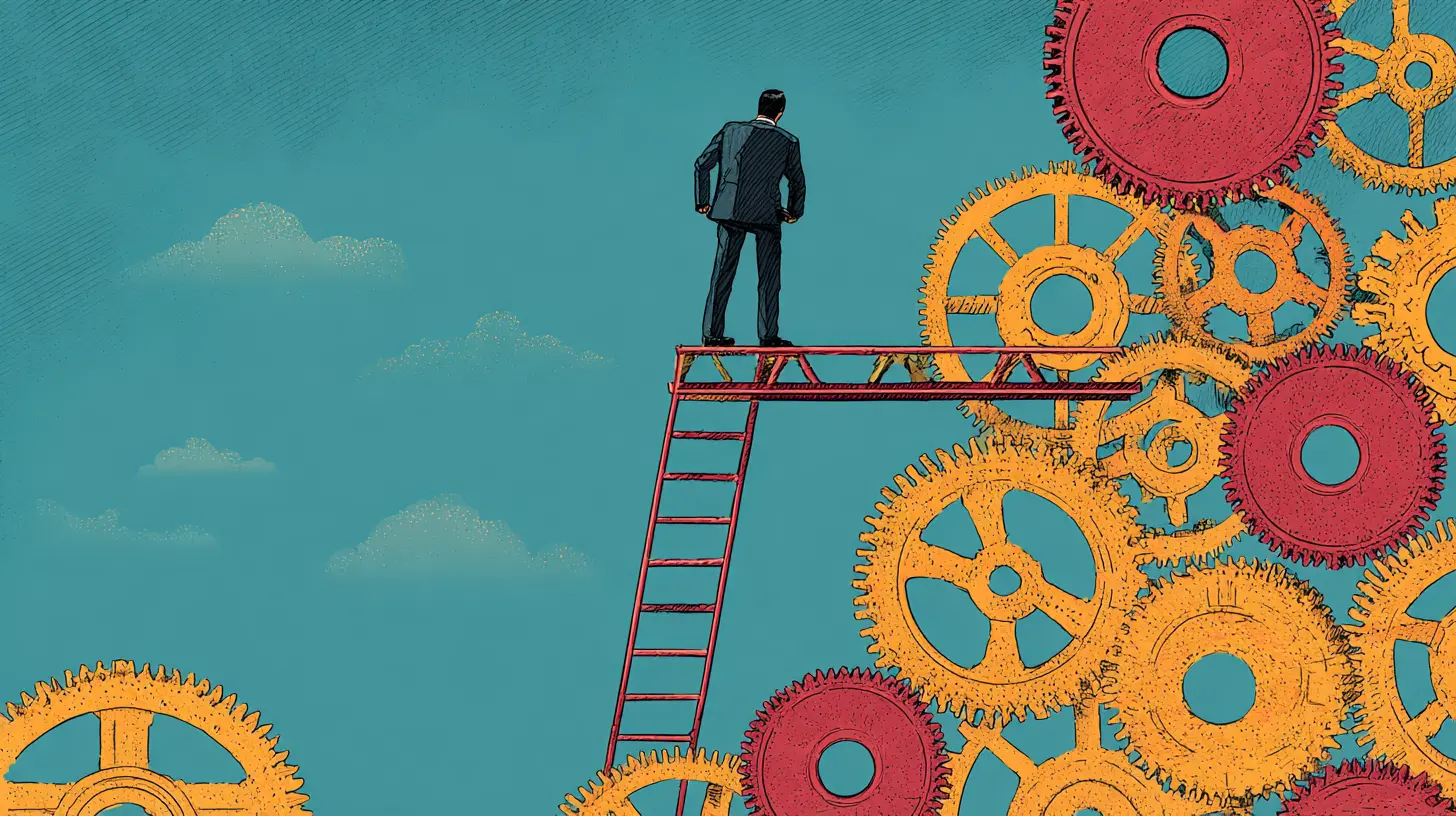
Why Bother? The Benefits of Continuous Improvement
You might be thinking, “This all sounds nice, but is it really worth the effort?” The short answer: absolutely.Here’s why:
- Increased efficiency – No more wasted time, energy, or resources.
- Boosted employee morale – People love working in an environment where their ideas matter.
- Higher-quality output – Whether it’s products, services, or customer experiences, everything gets better.
- Competitive edge – In a fast-moving world, staying stagnant is the fastest way to fall behind.
- Cost savings – Cutting inefficiencies means saving money—simple math.
So, yes. It’s 100% worth it. The question now is how to make it a reality. 
Laying the Foundation: The Key Ingredients
Creating a culture of continuous improvement isn’t something you can force overnight. It requires a solid foundation. Here are the key ingredients:1. Leadership Buy-In
If the leaders don’t care, why should anyone else? Leadership needs to embrace continuous improvement, not just in words, but in actions. This means:- Supporting new ideas
- Encouraging innovation
- Leading by example (don’t just talk about improvement—do it)
When employees see that management actually values improvement, they’re more likely to jump on board.
2. A Safe-to-Fail Environment
You can’t expect innovation if people are terrified of making mistakes. A culture of continuous improvement thrives in an environment where trying (and failing) is seen as part of the process.Encourage experimentation! Not every idea will be a home run, and that’s okay. The goal is progress, not perfection.
3. Open Communication
Ever worked in an office where suggesting a change feels like shouting into the void? That’s the quickest way to kill improvement.Teams should feel comfortable sharing suggestions without fear of being ignored or shut down. Make it easy by:
- Holding regular brainstorm sessions
- Setting up suggestion boxes (digital or physical)
- Encouraging an open-door policy
When communication flows, so do the ideas.
4. Recognition & Rewards
People love being acknowledged for their efforts. If your employees are constantly improving processes or making things better, celebrate it!Recognition doesn’t have to be over-the-top—sometimes, a simple “Hey, great job!” is enough. But you can also:
- Implement a reward system
- Give shoutouts in meetings
- Offer incentives for impactful ideas
When employees know their contributions matter, they’ll stay motivated to keep improving. 
Practical Steps to Embed Continuous Improvement
Alright, now for the fun part—actually making this happen. Let’s break it down into practical, actionable steps.1. Start with Small Wins
Big, ambitious changes can be overwhelming. Instead, start with quick wins to build momentum.For example, if meetings always run over, try implementing a strict time limit. If emails take forever to get responses, set a “reply within 24 hours” rule. These small tweaks add up fast.
2. Encourage a Growth Mindset
People often resist change because they fear failure. Foster a growth mindset, where mistakes are seen as learning opportunities rather than disasters.- Provide training on adaptability and resilience
- Share success stories of teams who embrace change
- Encourage self-reflection and learning from past experiences
When employees see failure as a stepping stone rather than a dead-end, they become more open to improvement.
3. Use the PDCA Method
Ever heard of PDCA? It stands for:- Plan – Identify areas for improvement
- Do – Test a small change
- Check – Review the results
- Act – If it works, implement it fully; if not, tweak and retry
This cyclical process ensures that improvement isn’t a one-time thing but an ongoing effort.
4. Leverage Employee Feedback
Your employees are the ones in the trenches daily. They know what’s working (and what’s not). Instead of guessing, ask them:- What frustrates you in your daily workflow?
- What would make your job easier?
- What’s one small change that could improve efficiency?
The best ideas often come from within your team. The more you involve them, the better the outcome.
5. Automate & Optimize
Sometimes, improvement is as simple as cutting out unnecessary steps. Are there repetitive tasks that could be automated? Are there outdated processes slowing things down?Look into streamlining workflows with:
- Automation tools
- Project management software
- Standardized procedures
Less busywork = more time for meaningful improvement.
Overcoming Common Roadblocks
Even with the best intentions, roadblocks pop up. Here’s how to tackle the most common challenges:1. Resistance to Change
Not everyone loves change—some people will cling to the old ways like their life depends on it. Combat this by:- Clearly communicating the why behind improvements
- Involving employees in decision-making
- Taking gradual steps instead of drastic overhauls
2. Lack of Consistency
Continuous improvement isn’t a one-and-done deal—it’s a habit. Keep it alive by:- Regularly checking in on progress
- Holding improvement-focused meetings
- Keeping improvement goals visible (dashboards, newsletters, etc.)
3. Short-Term Thinking
Some improvements take time to show results. If leadership only cares about immediate wins, long-term gains can get ignored. Balance it by:- Setting both short-term and long-term improvement goals
- Tracking progress over time
- Sharing success stories to reinforce the value
Final Thoughts
Building a culture of continuous improvement isn’t just a “nice-to-have”—it’s a game-changer. When teams embrace the mindset of constant growth, businesses don’t just keep up with the competition—they leave them in the dust.Start small, celebrate wins, and remember: improvement isn’t a destination, it’s a journey. So, what’s one small change you can make today?
Let’s get improving!
all images in this post were generated using AI tools
Category:
Corporate CultureAuthor:

Miley Velez
Discussion
rate this article
1 comments
Marie Hall
Creating a culture of continuous improvement requires more than just strategies; it demands genuine leadership commitment and employee engagement. Companies often overlook the importance of open communication and recognition of small wins, which are crucial in fostering an environment where innovation and growth can truly thrive.
May 26, 2026 at 10:33 AM
Miley Velez
You're absolutely right. Genuine leadership and open communication are key to fostering a culture of continuous improvement. Recognizing small wins really does make a difference in driving innovation and growth.